
When the Wine Runs Out: The Transformative Glory of Jesus at Cana
From Water to Wine: A Journey into the Depths of Faith and Divine Timing

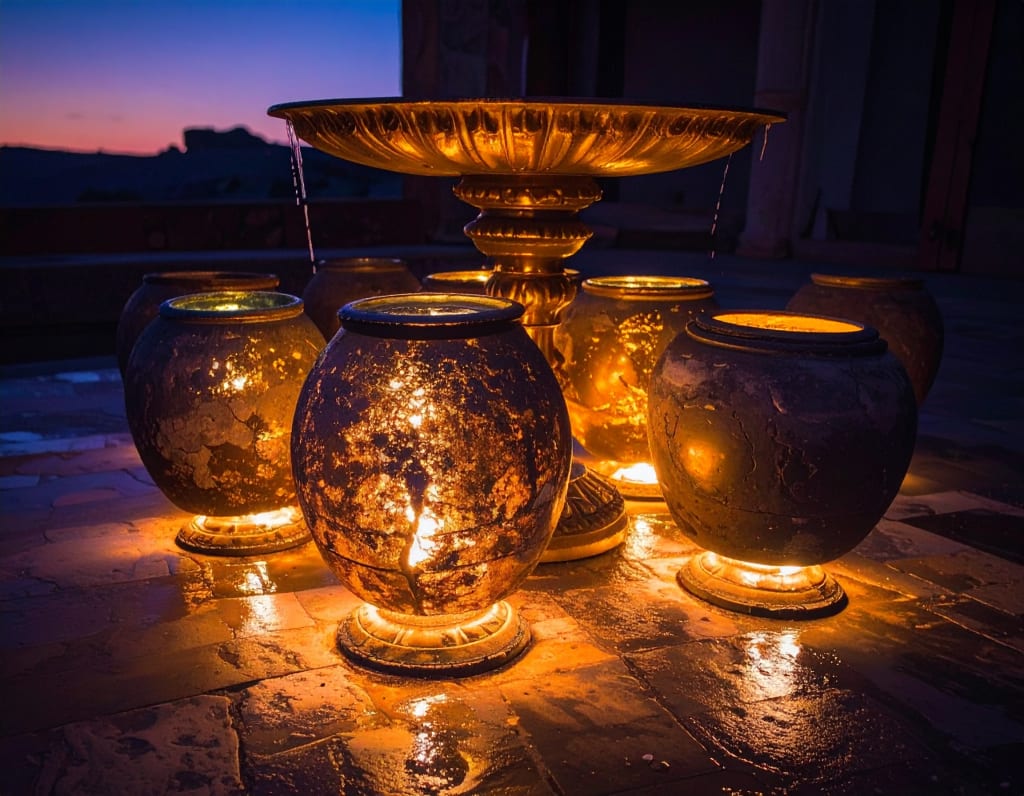
Imagine a wedding celebration in full swing, the air filled with laughter and the clinking of glasses, when suddenly, the wine runs dry. This scene, set at Cana in Galilee, marks the beginning of a profound narrative that transcends a simple miracle. It is here, at this wedding, that Jesus performs His first sign, turning water into wine, not merely to replenish the festivities but to unveil His divine glory. This story, as recounted in John 2, is not about the wine itself but about the revelation of Jesus' glory and the faith it inspires. The purpose of this narrative is clear: to show that Jesus came to transform lives, to bring fullness and joy, and to call us to recognize His glory and believe in Him. This is the essence of the biblical message, as relevant today as it was then.
The First Sign: A Revelation of Glory
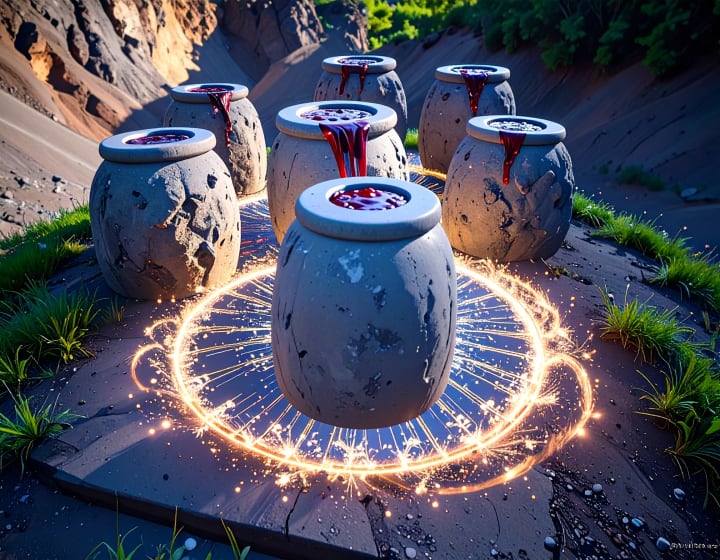
At the heart of the wedding at Cana is the first of Jesus' signs, the transformation of water into wine. This act, performed on the third day after His baptism, serves as a powerful testament to His divine nature. The six stone water jars, used for Jewish rites of purification, were filled to the brim with water at Jesus' command. When the master of the feast tasted the water-turned-wine, he marveled at its quality, noting that the best wine was saved for last. This miracle was not just about solving a practical problem; it was a revelation of Jesus' glory, a sign that prompted His disciples to believe in Him. It underscores the central theme: the glory of Jesus and the faith it inspires.
The Timing of God: Trusting in Divine Schedules
Jesus' response to His mother, "Woman, what does this have to do with me? My hour has not yet come," highlights the theme of divine timing. While human schedules are often rushed and impatient, God's timing operates on a different plane. Jesus attended the wedding, participated in social life, and yet acted according to God's calendar. This teaches us to trust in God's timing, even when it seems slow or out of sync with our own. The abundance of wine, approximately 600 liters, symbolizes the fullness of life that Jesus came to offer. It signifies that with Jesus, the best is saved for last, both in this life and in the eternal kingdom.
Faith in Action: The Role of the Disciples and Servants
The disciples at Cana were not just passive observers; their faith deepened as they witnessed the miracle. Their belief in Jesus was a direct response to the revelation of His glory. Similarly, the servants who filled the jars with water at Jesus' command played a crucial role. Their obedience to Jesus' instructions, even without understanding the full scope of what was happening, demonstrates that faith requires action. Both the disciples and the servants serve as models of faith, showing that those who follow Jesus and obey His will can experience wonders beyond their comprehension.
The Contrast of Worlds: Jesus and the Kingdom of God
The miracle at Cana also highlights the stark contrast between the world's ways and the kingdom of God. In the world, the best is often served first, followed by a decline in quality. With Jesus, however, the pattern is reversed: first comes the hardship and self-restraint, then the joy and spiritual elation. This reversal is a reminder that the joy of the Lord is our strength, as seen in the promise of abundant wine at the wedding. It points to the ultimate fulfillment of our needs, both physical and spiritual, in the kingdom of God, where life is celebrated in its fullness.
The Journey of Faith: From Brokenness to Redemption
Life's journey often mirrors the wedding at Cana, where the wine runs out, symbolizing times when our resources, joy, and hope diminish. Yet, it is in these moments of brokenness that the path of faith often leads us. Through trials and the recognition of our own limitations, we come to grasp the wondrous redemption and grace offered by Christ. Jesus brings the wine of joy, securing for us eternal life. The wedding at Cana, therefore, serves as an image of the kingdom of God, where celebration and life are fulfilled in their entirety.
The story of the wedding at Cana is a profound narrative that invites us to delve deeper into the transformative power of Jesus' glory. It calls us to trust in God's timing, to act in faith, and to recognize the stark contrast between the world's fleeting pleasures and the enduring joy of the kingdom of God. As we journey through life's challenges, let us remember that Jesus came to transform the ordinary into the extraordinary, offering us the fullness of life both now and in the eternal celebration to come. Let us embrace this journey, trusting in the divine schedule and acting in faith, for in doing so, we glimpse the glory of Jesus and are drawn ever closer to the promise of eternal life.
Dear congregation, let us hold fast to this truth: the glory of Jesus has the power to transform our lives. Let us recognize His glory, believe in Him, and live in the fullness of life He offers. May we be a testament to His transformative power, sharing His joy and grace with all whom we encounter.
Amen.
Sermon held on 01/17/2021
About the Creator
Minding Fred
I'm Minding Fred, a small-town preacher of 30+ years, gently guiding you with soulful reflections rooted in scripture and life's wisdom. Join me daily to ease burdens, nurture hope, and enrich your journey with warmth and quiet strength.
Keep reading
More stories from Minding Fred and writers in Journal and other communities.
A Call to Rise and Shine: Embracing the Divine Light
In the heart of the prophet Isaiah's message lies a powerful call to action: "Arise, shine; for your light has come, and the glory of the LORD has risen upon you." This isn't just a historical echo from the time of the Babylonian exile; it's a timeless beacon for all who find themselves shrouded in the darkness of despair. The world around us may be enveloped in shadows, but the divine light beckons us to rise above our circumstances, to embrace a hope that transcends the present and reaches into the future.
By Minding Fred10 months ago in Journal
How to Enjoy Thai Food and Island Life Without Losing Your Fitness
Krabi is a tropical paradise where jagged limestone cliffs meet the turquoise Andaman Sea. It is easy to get lost in the beauty and forget your fitness routine, but staying active here is actually part of the fun. You do not have to sacrifice delicious Thai flavours to stay healthy. By mixing smart choices with the region’s natural adventures, you can enjoy a guilt-free getaway. Here is how to keep your lifestyle balanced while exploring one of Thailand's most iconic coastal gems.
By Jeewanthi Armstrong6 days ago in Journal
Tatt~Master
— Assembly Line Tatt Machine ~ Impressions to Impress — As I begin to understand more about the Tattoo Phenomenon. I've written silly, yet verbatim, dating site anecdotes in 'Frazzled.' So let me ask you: Would you be More attracted to someone slathered with tattoos, or Less?
By Jay Kantor5 days ago in Humor




Comments
There are no comments for this story
Be the first to respond and start the conversation.