
When Physical Jobs Become Distributed As Well
The Evolution of Remote Work

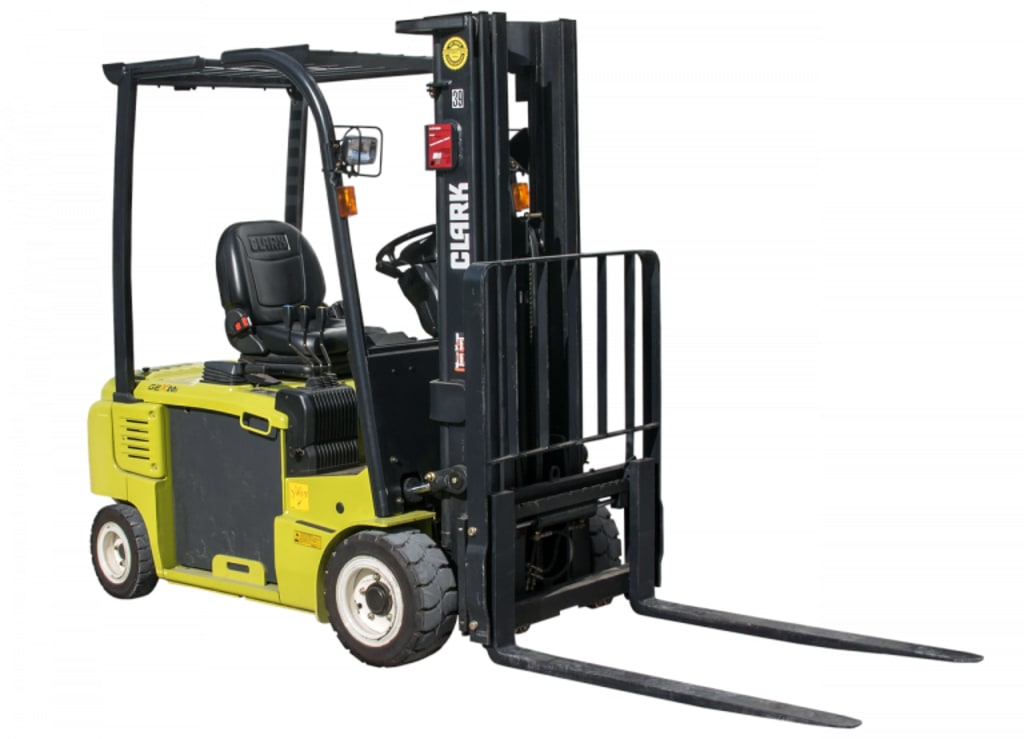
The workplace is undergoing a profound transformation, and a recent Wired article titled "Now physical jobs are going remote too" sheds light on an intriguing trend: the digitization of traditionally physical roles. Jobs once tied to a specific location or physical presence are now being reimagined to operate remotely, thanks to advancements in technology and connectivity.
The article discusses a fascinating case where a forklift operator, employed by Phantom Auto, remotely manages the loading of pallets into a truck or the movement of containers within a warehouse, all without setting foot on-site. This seemingly surreal scenario is made possible by a program equipped with a steering wheel and pedals, reminiscent of those found in video games. The operator uses this interface to control the forklift while viewing multiple camera feeds on their monitor, offering comprehensive views of the vehicle's surroundings.
What makes this setup even more intriguing is that the forklift appears to operate autonomously, devoid of a human presence within the vehicle itself. It navigates from one location to another using obstacle detection and collision avoidance algorithms. However, the company emphasizes that certain tasks, due to the complexity of the environment, remain beyond the scope of full autonomy. In such cases, a human operator, though physically distant, takes charge. Should the connection be interrupted, operations cease, ensuring safety and control.
This phenomenon extends beyond forklift operations. Three-dimensional robotic arms, for instance, can be remotely operated to perform precise tasks. Similarly, automated processes often encounter moments of uncertainty, requiring a human operator's guidance. Consider the pick & pack process, where robots must select items from one location and place them in a cart. Sometimes, they encounter items they cannot handle or face challenges that necessitate human intervention.
Moreover, robots are increasingly deployed for autonomous tasks, including surveillance and logistical deliveries. However, when these machines confront unexpected situations or interactions with humans, they may need a human operator's assistance. The concept of human teleoperation has gained significance as technology advances toward automation in various fields. While progress is remarkable, we have not reached a stage where humans can be entirely replaced.
Looking ahead, the future holds exciting possibilities. As technology continues to evolve, we might witness employees donning virtual reality (VR) headsets to engage with their remote work environments more realistically. VR could revolutionize how we perceive and interact with remote tasks, bridging the gap between physical presence and digital operations.
This transformation raises intriguing questions about the future of work. Could we soon see job listings for "bull operators," overseeing machines that appear to function independently in an increasing number of settings? The prospect is not as distant as it may seem. As industries explore innovative ways to streamline operations and enhance efficiency, the boundaries between physical and remote work are blurring.
The rise of remote work, even in physically demanding roles, underscores the adaptability of human labor in the face of technological advancements. Rather than replacing humans, technology is augmenting our capabilities, allowing us to perform tasks remotely and efficiently. This evolution is not just about remote work but also about reimagining traditional roles to meet the demands of an ever-changing world.
In conclusion, the fusion of technology and remote work is redefining the workplace. Jobs once considered exclusively physical can now be conducted remotely, with human operators playing pivotal roles in ensuring tasks are completed successfully. As technology continues to advance, the line between physical presence and remote operation will blur even further, opening new avenues for innovation and productivity. The future of work is indeed an exciting journey into uncharted territory, where human ingenuity and technology converge to shape a more efficient and adaptable workforce.
About the Creator
Jansen Chang
A freelancer ,dedicated to establish self business,and help others to grab the chance of times.I will share some new thoughts and discoveries here.
Keep reading
More stories from Jansen Chang and writers in Journal and other communities.
What Milwaukee Teams Overlook During App Planning Phases?
Most app projects in Milwaukee do not fail because of poor execution. They struggle because early planning feels productive while leaving the hardest questions unanswered. Whiteboards fill up. Features get approved. Timelines look reasonable. Momentum builds. What is missing rarely feels urgent at that stage.
By Samantha Blake5 days ago in Journal



Comments
There are no comments for this story
Be the first to respond and start the conversation.