
When Is Medical Treatment Enough for A Pilonidal Cyst?
Understanding when early medical care can control a pilonidal cyst and when further evaluation becomes necessary


“This article explains when pilonidal cyst medical treatment is effective, focusing on early symptoms, non surgical care options, and their limits. It helps readers understand when medication works, when recurrence occurs, and when further medical evaluation may be needed.”
A pilonidal cyst is a condition that many people first notice as a small, uncomfortable swelling near the tailbone. It often begins quietly, causing mild pain or tenderness that is easy to ignore. When symptoms appear, one of the most common questions patients ask is whether medication alone will solve the problem or if surgery will eventually be needed. The answer depends on the stage and behavior of the condition. In many cases, pilonidal cyst medical treatment can be enough, especially when care starts early.
What Is a Pilonidal Cyst?
A pilonidal cyst forms when hair, skin debris and bacteria collect beneath the surface of the skin near the tailbone. Friction and pressure allow hair to penetrate the skin, triggering inflammation. Over time, a small cavity or sinus can develop, which may fill with fluid or become infected.
Some pilonidal cysts remain mild and manageable, while others progress into painful infections. This wide range of outcomes explains why treatment approaches vary from person to person.
Why Pilonidal Cysts Develop
Several factors increase the risk of pilonidal disease. Excess body hair, prolonged sitting, sweating, and repeated pressure on the tailbone all contribute. Tight clothing and poor airflow in the area can worsen irritation.
The condition is more common in young adults and occurs more frequently in men. Certain body shapes, skin types and family history may also play a role.
Early Symptoms That Should Not Be Ignored
In its early stage, a pilonidal cyst may cause only minor discomfort. Some people notice slight redness, tenderness, or swelling at the top of the buttock crease. A small pit or indentation may be visible, but there is usually no drainage.
This stage is important because medical treatment for pilonidal cyst approaches work best before infection develops. Early symptoms are a signal to seek care rather than wait.
What Medical Treatment Involves
Medical treatment focuses on calming inflammation and preventing infection. It does not remove the cyst itself but helps control symptoms and stop progression.
Doctors may prescribe antibiotics if signs of infection are present. Pain relievers and anti inflammatory medications are often used to ease discomfort. Warm compresses can improve circulation and reduce tenderness.
Hair control is another key part of pilonidal medical treatment. Reducing hair in the affected area lowers friction and decreases the chance of recurring irritation. Patients are also advised on hygiene habits that keep the skin clean and dry.
When Medical Treatment Is Usually Enough
Medical care alone is often sufficient in mild and first-time cases. When the cyst has not formed an abscess and there is no drainage or fever, conservative treatment can be very effective.
Patients who respond well typically notice improvement within a few days. Pain decreases, swelling reduces, and the skin begins to settle. With proper ongoing care, many people avoid further problems.
Why Early Treatment Makes a Difference
Timing plays a major role in treatment success. Addressing symptoms early allows inflammation to resolve before infection spreads. Early care reduces tissue damage and lowers the chance of abscess formation.
Delaying treatment often leads to worsening pain and complications that require more invasive care. Acting early gives medical treatment its best chance to work.
Limits of Medical Treatment
While medical care can relieve symptoms, it does not always address the root cause. Pilonidal cysts often involve sinus tracts beneath the skin that remain even after symptoms improve.
Hair can continue to enter the area, restarting the cycle of irritation. This explains why recurrence is common, even in people who initially improve with medication.
Why Recurrence Happens
Many patients experience repeat flare ups over time. Each episode may become more uncomfortable than the last. Antibiotics can control infection, but they do not eliminate the underlying structure of the cyst.
This pattern is why pilonidal cyst medical treatment works best for early or isolated cases rather than long standing disease.
Signs That Medical Treatment Is No Longer Enough
As the condition progresses, symptoms change. Increasing pain, warmth, and swelling often indicate abscess formation. Drainage of pus or the presence of fever suggests active infection.
In chronic cases, patients may notice persistent drainage, recurring swelling, or multiple openings in the skin. At this stage, medication alone usually cannot provide lasting relief.
When Surgical Evaluation Is Needed
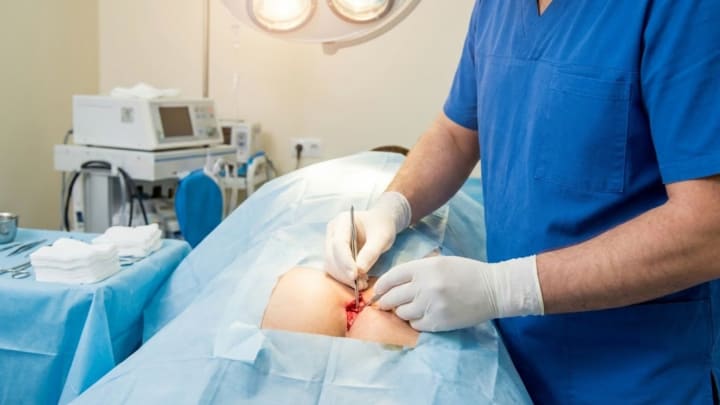
Surgery is not necessary for every pilonidal cyst, but it becomes appropriate when medical treatment fails. Repeated infections, ongoing drainage, or significant pain signal that structural issues must be addressed.
When medical treatment does not provide lasting relief, choosing the right specialist becomes an important step. Understanding what qualifications, experience and approach to look for can help patients make confident decisions about their care.
A surgical evaluation helps determine the extent of sinus tracts and whether removal is needed to prevent future episodes. Proper timing can significantly improve comfort and recovery.
Supporting Medical Treatment With Daily Habits
Lifestyle changes play an important role in managing the condition. Keeping the area clean and dry reduces irritation. Regular hair removal lowers friction and helps prevent recurrence.
Limiting prolonged sitting, improving posture, and managing body weight can reduce pressure on the tailbone. These habits support pilonidal medical treatment and improve long term outcomes.
The Importance of Follow Up
Even when symptoms improve, follow up care matters. Monitoring helps catch early signs of recurrence and ensures treatment remains effective. Patients should report new pain, swelling, or drainage promptly.
Ongoing communication with a healthcare provider allows adjustments based on individual needs.
Clearing Up Common Misunderstandings
Many people believe antibiotics permanently cure pilonidal cysts, but medication mainly treats infection, not the cyst itself. Another misconception is that surgery is always required. In reality, many mild cases respond well to conservative care.
Knowing what treatment can realistically achieve helps patients make confident decisions.
Final Thoughts
Pilonidal cyst medical treatment can be effective when the condition is mild, newly developed and addressed early. Medical care reduces inflammation, controls infection, and improves comfort. However, it has clear limits in chronic or recurring cases. Recognizing when medical treatment is enough and when further evaluation is needed helps patients avoid prolonged discomfort and achieve better long term results.
Disclaimer
This blog is for informational purposes only and does not replace professional medical advice, diagnosis or treatment. Always consult a qualified healthcare provider regarding symptoms, treatment decisions or concerns related to pilonidal cysts or any medical condition.
About the Creator
Sophia Jain
Sophia Jain loves writing about health, digital marketing, branding, and technology. She shares intelligent, concrete advice to help people succeed in their careers.
Keep reading
More stories from Sophia Jain and writers in Journal and other communities.
Trump warns Iran 'time is running out' for nuclear deal as US military builds up in Gulf
The keyword “Trump warns Iran ‘time is running out’ for nuclear deal as US military builds up in Gulf” reflects a critical moment in U.S.–Iran relations, highlighting renewed tensions over Tehran’s nuclear ambitions and Washington’s military posture in the Middle East. Former U.S. President Donald Trump’s warning underscores a familiar strategy of pressure, combining diplomatic ultimatums with visible military readiness.
By Aarif Lashariabout an hour ago in Journal
📢 Raise Your Voice Thread: 01/22/2026
Our “Raise Your Voice Threads” are hosted most alternating Thursdays at 12PM ET to offer creators more avenues to uncover exceptional stories on Vocal. As we are continuously searching for fresh creators and inspiring stories, this thread provides an opportunity to exchange and discuss the stories that have moved and motivated us on Vocal.
By Raise Your Voice by Vocal6 days ago in Resources



Comments
There are no comments for this story
Be the first to respond and start the conversation.