
When Hair Transplantation Goes Wrong
Teacher Tragically Dies During a Hair Transplant Surgery in Turkey

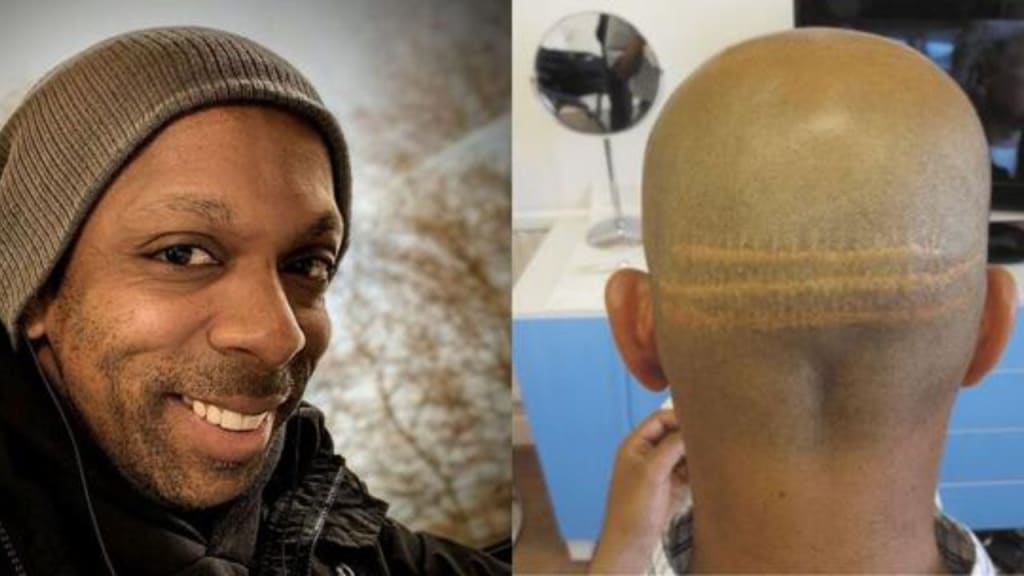
Surgery can go wrong, but a hair transplant is one of the last procedures you’d expect to turn deadly. When Martyn Latchman, a much-loved teacher, flew abroad hoping to boost his appearance and confidence, none of his students, his family, or the wider community could have imagined that he would be brought home in a coffin.
Martyn Latchman, 38, from Milton Keynes, had been a teacher for 16 years. He later left his career in education to become a defence contractor and felt that his shiny scalp might hold him back from progressing in roles serving military departments. Hoping to enhance his appearance and confidence, he decided to restore his hair — and a hair transplant was his chosen solution.
But everyone knows that the cost of hair transplant procedures can be astronomical. That’s why, like thousands of others, Martyn decided to travel to Turkey for his surgery, where the entire procedure is far more affordable for most of the Western world.
According to Tim Wilson, a British politician and media professor, this was Latchman’s follow-up procedure. It was to be carried out at the well-known Turkish Chinnick Clinic. Latchman was not a reckless thrill-seeker.
Before this follow-up procedure, he had already undergone a successful hair transplant at the same clinic in 2024. This time, he only returned for a second procedure, likely emboldened by the clinic’s strong reputation, which boasts over 70,000 procedures. Many celebrities, such as Rio Ferdinand, have had surgery there as well.
Martyn Latchman’s surgeon was Emra Chinnick, a recognized figure in the cosmetic surgery world. He was trained at Istanbul University and frequently praised for combining advanced technology with personalised aftercare, earning numerous glowing reviews. However, none of this prevented the tragic outcome.
According to the clinic’s official statement, all pre-operative checks were completed, including blood tests, chest X-ray, and ECG, and Mr Latchman was cleared for surgery by an anaesthesiologist. However, during the preparatory stage, he became unwell and was transferred to a university hospital to receive emergency medical care, where he tragically died that evening.
Tributes Pour in for Latchman
Many paid tribute to Latchman. Family members, former colleagues, and students remembered him as a kind-hearted, passionate teacher who made a lasting impact.
“Rest in peace, my brother,” Yashley Latchman said at his funeral. “You will forever be my source of inspiration and motivation. Thanks for everything. Will miss u loads.”
“Martyn was not just a brilliant teacher, he was a mentor, a friend, and a role model to so many,” one of his friends wrote on social media.
Latchman’s death has raised fresh concerns about the booming medical tourism industry, particularly cosmetic surgeries, which attract thousands of international clients each year seeking affordable procedures.
As his loved ones mourn the sudden and devastating loss, they are also calling for answers — and accountability.
Key Issues with Turkish Procedures
Turkish authorities opened a reckless homicide investigation. Medical staff, including the surgeon and the anaesthesiologist, were questioned. In Turkey, hair transplant clinics are often linked to hospitals, meaning transfers from clinic to hospital should be routine and rapid. But this arrangement has also raised three key issues:
The illusion of clinical certainty. However rigorous a checklist may be, no medical procedure — however minor or routine — is truly risk-free. When procedures are marketed primarily through testimonials, price comparisons, and aesthetic outcomes, patients can be led to believe that the only variable is cost. This is a dangerous fiction.
Regulation under pressure. Many Turkish clinics that operate in tandem with hospitals are regulated by national and international health bodies. Yet with over a million medical tourists annually, the competitive pressure to offer low prices and high success rates can lead to shortcuts. In Mr Latchman’s case, the clinic insists that surgery had not begun and that they responded promptly. But the fact remains: he died within their care environment, and the precise cause remains unknown. The question lingers — how prepared are these clinics for emergency complications?
The moral cost of the aesthetic economy. Martyn Latchman was known as a man of learning and discipline, a charity campaigner, a computer science teacher, and later a defence industry professional. Yet the pressures that led him to seek a second hair transplant are deeply embedded in British culture, where youth and physical perfection are excessively celebrated. People rarely challenge the idea that appearance is tied to professional credibility or personal worth.
“The tragedy is not just that he died, but that so many are drawn to these procedures by a culture that rarely allows one to age with dignity,” said Tim Wilson.
Dr Chinnick’s clinic may well emerge legally exonerated — and perhaps rightly so. They claim the patient died before the procedure began, that the staff acted responsibly, and that inaccurate media reporting misrepresented the facts.
Possible Causes of Hair Transplant Deaths
But what could cause a death associated with a hair transplant? According to Beasley Knox, a well-known dermatologist at Tulane University School of Medicine, the primary risks are associated with infection or excessive bleeding. The same dangers apply to other cosmetic surgeries when tools and incisions are not treated hygienically; septicemia (blood poisoning) can, in extreme cases, take a person’s life in a very short time.
Underlying health conditions may also contribute to deaths linked to hair transplants. For example, diabetes can impair wound healing and increase the risk of infection after surgery. Respiratory issues such as chronic obstructive pulmonary disease (COPD), asthma, and other lung conditions may complicate anaesthesia and cause breathing problems during and after the procedure, potentially leading to fatal outcomes.
Safe Alternatives to Hair Transplants
Now is the time to consider safe alternatives to hair transplantation. If hair transplant surgery is not 100% safe, what is? Recent events have turned public attention toward non-surgical hair replacement systems.
Hair systems do not require breaking the skin, so no blood is involved, which is why they carry virtually no medical risk. The bases are usually made from polyurethane, lace, or monofilament. None of these materials is known to cause complications that could lead to life-threatening outcomes.
These hairpieces for men are usually attached to the scalp using adhesive or tape. In very rare cases, the tape or glue may cause an allergy or skin irritation, but such reactions are far from fatal and are typically easy to manage with professional guidance.
Final Thought
Martyn Latchman’s death is a heartbreaking reminder that no cosmetic procedure is ever entirely risk-free, no matter how routine it may seem or how reputable the clinic appears. His story forces us to look beyond glossy before-and-after photos and bargain prices, and to confront the real medical, emotional, and moral stakes behind elective surgery.
For many, non-surgical options such as modern hair replacement systems offer a way to restore confidence without exposing themselves to the dangers of anaesthesia, invasive techniques, or overseas medical systems they do not fully understand. As we honour Martyn’s memory, the most meaningful response is to make more informed, cautious choices — and to build a culture where self-worth is not dictated by hairlines but by the lives we lead and the people we impact.
About the Creator
Natalee Chand
With 10+ years in hair, I specialize in extensions, wigs & systems, crafting trend-savvy content. My blog educates & inspires stylists and salon owners with expertise in techniques, styling & innovations in the evolving hair landscape.
Keep reading
More stories from Natalee Chand and writers in Journal and other communities.
Automotive Sensors Market: Why Cars Are Getting Smarter
You merge onto the highway. From the corner of your eye, a notification flashes. A gentle beep reminds you that a vehicle is approaching in your blind spot. Behind the wheel, your reflexes are ready. Ahead, your vehicle’s sensors are watching.
By james robert6 days ago in Journal




Comments
There are no comments for this story
Be the first to respond and start the conversation.