
What Would Merging With SpaceX Mean for Tesla Stock?
Investors weigh risks and opportunities of a potential mega-tech consolidation
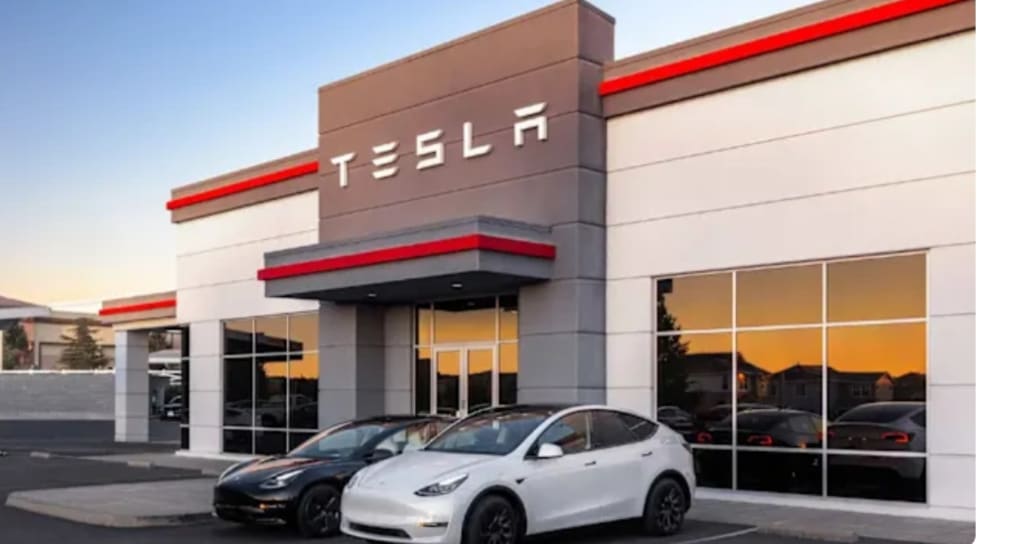
Speculation about a potential merger between Tesla and SpaceX has sparked intense debate among investors, financial analysts, and technology observers. While no confirmed merger has been officially finalized in public markets, the idea of combining two of Elon Musk’s most influential companies raises major questions about market valuation, innovation potential, and investor confidence.
Both Tesla and SpaceX are industry leaders in their respective sectors — electric vehicles and private space technology. A merger between the two would represent one of the most significant corporate consolidations in modern tech history.
Understanding Tesla and SpaceX as Separate Companies
Tesla is a publicly traded company focused on electric vehicles, battery technology, and renewable energy products. Its stock is heavily followed by global investors and is influenced by production numbers, delivery targets, and global EV market trends.
SpaceX, on the other hand, is privately held and focuses on:
Rocket launches
Satellite technology
Space exploration systems
Starlink global internet network
Because SpaceX is private, its financial details are less transparent compared to Tesla.
Why Some Investors See Merger Potential
Supporters of a potential merger argue that combining Tesla’s manufacturing and energy expertise with SpaceX’s advanced engineering and satellite technology could create powerful cross-industry innovation.
Possible synergy areas include:
Advanced materials development
AI and autonomous system technology
Battery and energy storage innovation
Satellite-powered global connectivity
Such integration could create new business models that currently do not exist.
Potential Positive Impact on Tesla Stock
If investors see strong strategic value, Tesla stock could benefit from increased excitement and long-term growth expectations.
Possible positive effects could include:
Increased investor interest
Expanded technology portfolio
Greater long-term innovation narrative
Stronger global brand influence
Mega-mergers often generate strong initial market attention.
The Risk Factor: Complexity and Execution
Large mergers often create operational complexity. Combining two major companies with different industries, regulatory frameworks, and business models can create integration challenges.
Possible risks include:
Management focus dilution
Financial restructuring complexity
Regulatory scrutiny
Shareholder uncertainty
If investors see high risk, stock volatility could increase.
Regulatory and Antitrust Considerations
A merger between Tesla and SpaceX would likely face regulatory review in multiple countries. Governments often review large tech mergers to ensure fair competition.
Regulators may examine:
Market dominance risks
Technology control concerns
Data and communication infrastructure influence
National security implications
The Role of Starlink and Future Market Influence
SpaceX’s Starlink satellite network could become a major factor in global internet infrastructure. If merged with Tesla, this could create opportunities for connected vehicle networks and global mobility platforms.
Future potential integration areas might include:
Vehicle-to-satellite communication
Autonomous navigation data networks
Global remote charging infrastructure coordination
How Markets Typically React to Mega Mergers
Historically, markets react in stages:
Initial excitement and speculation
Regulatory uncertainty phase
Integration performance evaluation
Long-term valuation reassessment
Stock performance depends heavily on execution success.
Shareholder Perspective
Tesla shareholders may have mixed reactions. Some may see expanded growth potential, while others may worry about increased risk or loss of focus on core EV business.
Institutional investors often analyze mergers based on long-term revenue growth potential.
Technology Industry Impact
A Tesla-SpaceX merger could reshape the technology industry by creating a multi-sector tech giant spanning transportation, energy, aerospace, and communications.
This could influence competition across:
Automotive sector
Satellite communications
Energy storage markets
AI-driven engineering
The Innovation Argument
Supporters argue innovation often happens when industries overlap. Combining space technology engineering with consumer manufacturing could accelerate technological breakthroughs.
Financial Structure Challenges
Merging a private company with a public one is complex. It often requires valuation agreements, shareholder approvals, and regulatory filings.
Long-Term Market Outlook
If successful, such a merger could create one of the most technologically diversified companies in the world. However, long-term success would depend on leadership strategy and execution efficiency.
Why Investors Are Watching Closely
Even rumors of major mergers can influence stock prices. Tesla’s stock is known for reacting strongly to major announcements, innovation updates, and strategic direction changes.
The Broader Future of Tech Consolidation
Some analysts believe the future tech industry will see more cross-sector consolidation as companies seek to control entire technology ecosystems.
Conclusion
A potential Tesla-SpaceX merger would represent a historic moment in technology and finance. While it could create massive innovation potential and market influence, it would also introduce significant financial and operational challenges.
For Tesla stock investors, the impact would likely depend on execution, regulatory approval, and market confidence. While speculation continues, the idea highlights how rapidly technology industries are evolving and how interconnected innovation sectors are becoming.
Whether or not such a merger ever happens, the discussion reflects the growing overlap between transportation, energy, communication, and space technology in shaping the future global economy.
About the Creator
Keep reading
More stories from Aarif Lashari and writers in Journal and other communities.
Gold and Silver Prices: What the City Thinks Will Happen Next
Gold and silver prices have always been closely watched by investors, central banks, and financial institutions. As global economic uncertainty continues to influence markets, analysts in major financial centers — often referred to as “the City,” particularly London’s financial district — are offering new predictions about where precious metal prices may move next.
By Aarif Lashari3 days ago in Journal
~ Fired ~
— Ai Intrusion ~ Are you Next ~ Is Ai Evolution after your job? — Few workplaces haven't been affected. Ai is in supermarkets, at doctors' offices, and even monitoring farms. I just can't think of anything this machine is not getting into, can you? For instance: Education ~ Law and Tech jobs will one day have a major influence or be taken over by these inanimate machines, with accuracy and vigor. From mechanics' diagnoses to a wide variety of everyday jobs, including fast food workers, with this input having the ability to cut their unnecessary work hours. I'm certain all of us have been touched by this with our short stories and colorful headings, have you? Even comments are very questionable 'Non-Robot' insertions.
By Jay Kantor6 days ago in Journal



Comments
There are no comments for this story
Be the first to respond and start the conversation.