
What's Happening in Myanmar?
Will Myanmar become the world poorest nation again?
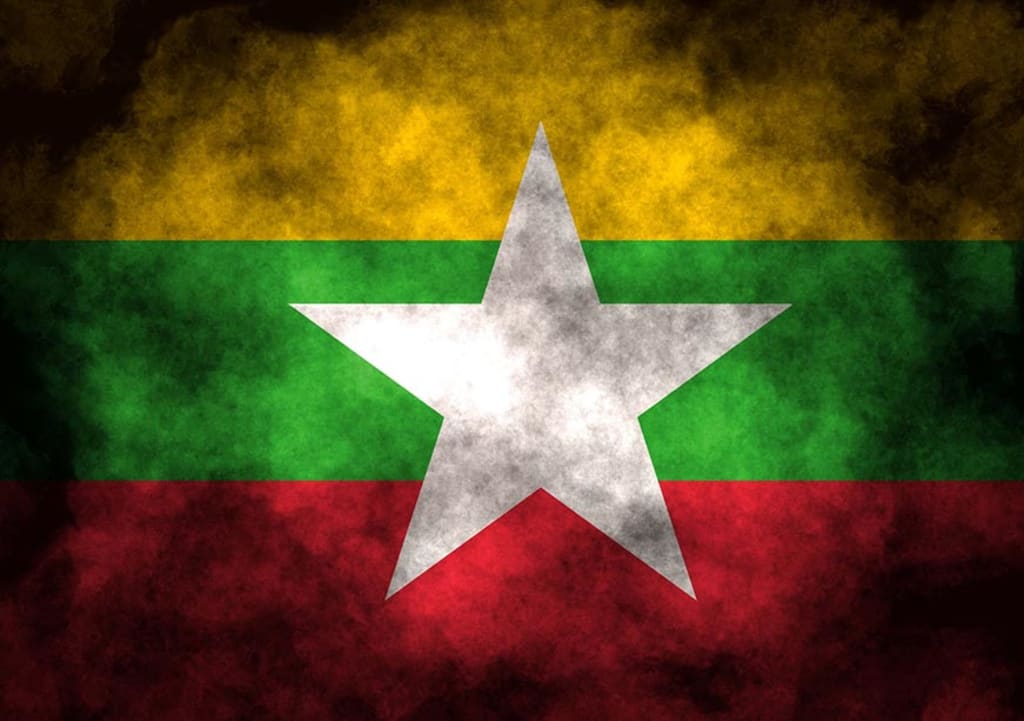
Myanmar has been embroiled in a complicated and multifaceted crisis since the military coup in February 2021, which deposed the democratically elected government of Aung San Suu Kyi. The coup has led to widespread civil unrest, a civil war, severe economic downturns, and significant humanitarian challenges.
Escalation of Conflict and Human Rights Violations
The military junta, known as the State Administration Council (SAC), has faced persistent resistance from pro-democracy groups and ethnic armed organizations. This resistance has evolved into a full-scale civil war, with anti-SAC forces making significant territorial gains. As of October 2023, the military controlled less than 40% of the country, with resistance groups seizing key regions and strategic positions.
The conflict has been marked by severe human rights violations. The military has employed tactics such as aerial bombings, mass killings, sexual violence, and the destruction of civilian infrastructure. A recent airstrike on January 8, 2025, in Kyauk Ni Maw village, Rakhine State, resulted in at least 40 deaths, including women and children, and the destruction of over 500 houses.
Electricity Shortages and Infrastructure Challenges
Myanmar has been suffering from severe electricity shortages that have worsened the difficulty of its citizens. The country’s energy infrastructure, already fragile before the coup, has further worsened due to ongoing conflict and economic mismanagement. Power cuts are now common across urban and rural areas, leaving households, businesses, and schools in the dark for extended periods.
The lack of electricity has not only disrupted daily life but also hindered economic recovery and essential services. Factories and businesses reliant on power have reduced operations, impacting employment and productivity. Hospitals face challenges in delivering critical medical care, and schools struggle to maintain continuity in education, particularly in regions already suffering from conflict and displacement.
In addition, the junta’s control over energy resources has prioritized military operations over public welfare. Resources are often diverted for strategic purposes, leaving ordinary citizens without access to basic utilities. This negligence reflects the regime’s broader failure to address the country’s critical infrastructure needs.
Human Rights Violations and Use of Illegal Porters
The junta’s tactics in the ongoing conflict have included widespread human rights abuses, such as the forced conscription of civilians, including children, as illegal porters. Porters are compelled to carry supplies, ammunition, and other equipment for the military in combat zones, often under life-threatening conditions. These individuals are subjected to harsh treatment, physical abuse, and exposure to violence.
Reports from conflict zones detail how civilians, particularly from ethnic minority communities, are targeted for this practice. Many porters are denied proper food, shelter, or medical care, and some are forced to walk through landmine-ridden areas, risking their lives. This practice not only violates international human rights laws but also highlights the military’s disregard for civilian welfare.
Humanitarian Crisis
The ongoing conflict has precipitated a dire humanitarian situation. As of March 2023, the United Nations estimated that 17.6 million people required humanitarian assistance, with 1.6 million internally displaced and over 55,000 civilian buildings destroyed. The economic situation has deteriorated, with the World Bank projecting a 1% contraction in Myanmar’s economy for the current year, attributed to conflict-related disruptions and natural disasters.
Political Developments and International Relations
In an attempt to project a semblance of normalcy, the military junta announced the release of over 5,800 prisoners, including 180 foreigners, on January 4, 2025, coinciding with Myanmar’s Independence Day. However, key political figures, such as Aung San Suu Kyi, remain incarcerated, serving lengthy sentences on charges widely regarded as politically motivated.
Internationally, the junta has faced sanctions and condemnation, particularly from Western nations. However, countries like China and Russia continue to support the military regime, providing arms and diplomatic backing. Regional dynamics are complex, with neighboring countries like India maintaining a cautious approach, balancing geopolitical interests with concerns over regional stability.
Press Freedom and Information Suppression
Press freedom in Myanmar has significantly declined since the coup. Journalists face arrests, censorship, and violence, with the junta employing laws such as the Telecommunications Law (Section 66D) to suppress dissent. Internet shutdowns and the blocking of news websites have further restricted access to information, hindering both domestic and international understanding of the situation on the ground.
Societal Impact and Future Prospects
The protracted conflict has deeply affected Myanmar’s society, particularly its youth. Many young people, disappointed by the lack of prospects and motivated by a desire for justice, have joined resistance movements. Operating in challenging conditions, these groups employ guerrilla tactics against the better-equipped military, contributing to the ongoing instability.
Looking forward, the situation in Myanmar remains precarious. While resistance forces have made significant advances, the military retains substantial capabilities and external support. The prospect of meaningful dialogue appears distant, with the junta’s plans for elections in 2025 met with skepticism by opposition groups, who view them as illegitimate.
In conclusion, Myanmar is at a critical juncture, facing intertwined political, humanitarian, and economic crises. The international community’s role, regional dynamics, and internal resistance efforts will significantly influence the country’s trajectory in the coming years.
About the Creator
Considerations on the Paywall
When I joined Vocal, back in the dark days before you could even edit your stories without emailing the admin team, I wasn't sure what to expect from it. Fast forward a few years and it's a thriving community with thousands of writers (some exceptionally talented) cheering each other on and a growing list of challenges and features that shock me when I really stop to think about them...
By S. A. Crawford5 days ago in Journal




Comments
There are no comments for this story
Be the first to respond and start the conversation.