
What Role Does AI Play in the Fashion Industry?
AI Transforming Fashion Design Production and Customer Experience with Innovation and Personalization

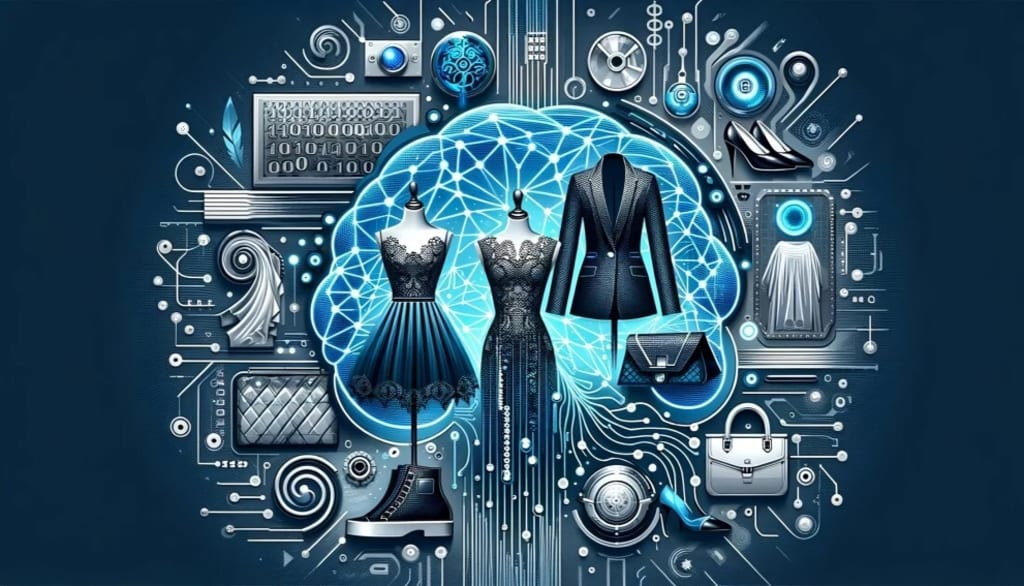
The fashion industry has always been about creativity, innovation, and staying ahead of the trends. Today, something new is driving this transformation: artificial intelligence (AI). From designing the perfect outfit to optimising retail strategies, AI plays a key role in how fashion brands approach their work.
Virtual try-ons, style recommendations, and real-time inventory management are examples of how AI revolutionises consumer experiences. This blend of creativity and technology is boosting efficiency and paving the way for a more sustainable and customer-centric future in fashion.
Most importantly, artificial Intelligence plays a pivotal role in revolutionising fashion trend analysis by harnessing the power of data and predictive analytics.
This post will dive into how AI is revolutionising fashion and why this change is worth attention.
AI’s Impact on Fashion Design

AI is completely changing the way designers create collections. Designers can now use advanced technologies and devices like smart AI laptops to analyse massive amounts of data and identify trends before they hit the market. Equipped with powerful processing capabilities, these systems can handle large datasets, delivering insights in record time.
AI can predict which colours, fabrics, and styles will be in demand before they become popular. The result? Fashion brands can create products that meet customer needs right when needed.
AI can assist designers in the design process. It is a valuable design collaborator, analysing trends, colours, and materials to offer design suggestions and capture customer popularity.
Here are a few ways AI is impacting design:
Trend forecasting: AI analyses social media, search data, and online behaviour to predict trends.
Personalised designs: AI helps designers create custom styles based on customer preferences.
Efficiency: AI laptops speed up the design process by automating repetitive tasks like pattern generation and fabric simulations.
With AI on their side, designers can stay ahead of the curve while ensuring their collections remain fresh and innovative. These systems improve design accuracy and allow for faster, more efficient product creation, giving brands a significant competitive edge.
Enhancing Retail with AI Technology
AI is also changing the way fashion retailers do business. Retailers use AI-powered solutions to improve everything from inventory management to personalised shopping experiences.
These AI systems analyse customer data to recommend clothing items that match each shopper’s preferences. This kind of personalisation leads to higher customer satisfaction and increased sales.
For example, AI can track what a customer has browsed or purchased in the past and suggest new items they might like based on that data. It’s like having a personal shopping assistant available 24/7. This level of personalisation is something traditional retail simply couldn’t offer.
Some other ways AI enhances retail include:
Inventory management: AI tracks stock levels in real time and predicts what items will sell out or need restocking.
Visual search: Customers can upload pictures of clothing they like, and AI will suggest similar products.
Customer service chatbots: AI-powered chatbots assist customers with inquiries, improving their shopping experience.
Virtual Fashion Shows and AI
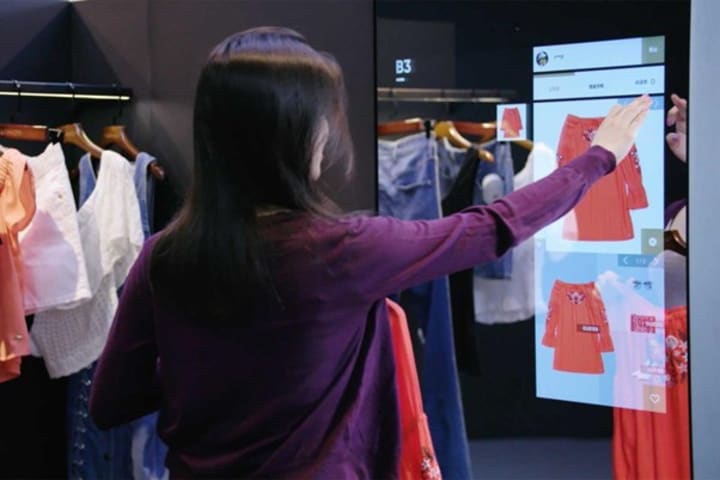
Image source: Yandex
Another major change AI has brought to the fashion world is the rise of virtual fashion shows. Now, with the help of AI, brands can host virtual fashion shows that are accessible to people all around the world. This allows them to reach a larger audience and showcase their collections innovatively.
Virtual reality (VR) and augmented reality (AR) also play a big part in these shows, giving viewers a fully immersive experience. It’s like attending a fashion show from the comfort of your home.
The benefits of virtual fashion shows are clear:
Global reach: Designers can showcase their collections to a worldwide audience.
Cost-effectiveness: Virtual shows eliminate the high costs of physical venues and travel.
Engagement: Virtual fashion shows offer interactive experiences, allowing customers to explore collections in greater detail.
AI’s Role in Sustainability
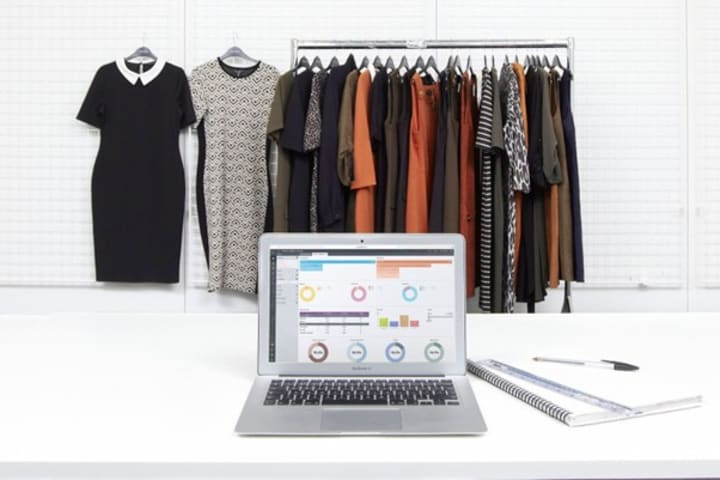
Image source: Digitalis
Sustainability is a big issue in the fashion industry, and AI is playing a crucial role in driving positive change. Fashion is one of the most polluting industries in the world, and fast fashion contributes heavily to environmental damage. AI is helping brands reduce waste, make more sustainable choices, and create eco-friendly products.
Here are a few ways AI is helping fashion become more sustainable:
Efficient production: AI helps optimise manufacturing processes to reduce material waste.
Eco-friendly materials: AI assists brands in researching and using sustainable fabrics that are both fashionable and environmentally friendly.
Circular fashion: AI-powered tools help brands track the lifecycle of garments, allowing for better recycling and reuse.
Changing the Customer Shopping Experience
AI is revolutionising the way customers shop for clothes. Through AI, fashion retailers can now offer a completely personalised shopping experience. Imagine walking into a store where the AI system knows your style preferences and suggests items based on your previous purchases. This isn’t a far-off dream—it’s already happening.
Here’s how AI is changing the shopping experience:
Virtual fitting rooms: Customers can try on clothes virtually using AI-powered mirrors or apps that show how clothes will look on their bodies.
Style recommendations: AI tracks customer preferences and recommends clothing items they will most likely buy.
Smart pricing: AI adjusts prices based on customer demand and inventory levels, ensuring products are priced competitively.
With AI, customers feel more connected to brands because their shopping experience feels unique and tailored to them.
The Future of AI in Fashion
The future of AI in fashion is incredibly exciting. As technology evolves, AI will play an even bigger role in shaping the fashion industry.
From improved design processes to more sustainable practices, AI will continue to drive innovation in fashion. The role of AI in fashion is just beginning and will continue to evolve in ways we can’t even imagine yet.
Conclusion
AI is changing the fashion industry in ways that were once thought impossible. From revolutionising design and retail processes to promoting sustainability, AI is making fashion smarter, faster and more personalised.
Using a smart AI laptop has further accelerated this transformation, making it easier for designers to create their visions more efficiently. As AI technology develops, the fashion industry will only become more innovative and exciting. The future of fashion is bright, and AI is leading the way.
About the Creator
Gabriella Browne
Gabriella Browne is a sharp, detail-oriented news writer with a passion for investigative journalism. She delivers timely, well-researched stories, covering politics, business, and global affairs with accuracy.
Keep reading
More stories from Gabriella Browne and writers in Journal and other communities.
Author’s Advice
If you would’ve asked me 20 years ago did I know I’d become a writer and an author, I would’ve said “nope, ain’t happening”. As fate would have it I did become an author and I can honestly say I’m loving it so far. It really does feel good to be a writer. I’ve learned a lot on this journey and I feel like with even me being as new to this world as I am, there’s some wisdom I need to share with every other aspiring author.
By Joe Patterson4 days ago in Journal
Is Trump considering a military draft? What Americans Should Know
For many Americans, the idea of a military draft feels like something from history textbooks—associated with World War II or the Vietnam War. But the system that would allow the United States to reinstate a draft still exists today. With rising global tensions and ongoing conflicts around the world, some people have begun asking an important question: Could the U.S. bring back the draft?
By Navigating the World4 days ago in Journal




Comments
There are no comments for this story
Be the first to respond and start the conversation.