
What Makes Hubert Essakow’s Choreography Stand Out in Modern Ballet?
Unifying Classical Precision with Contemporary Storytelling
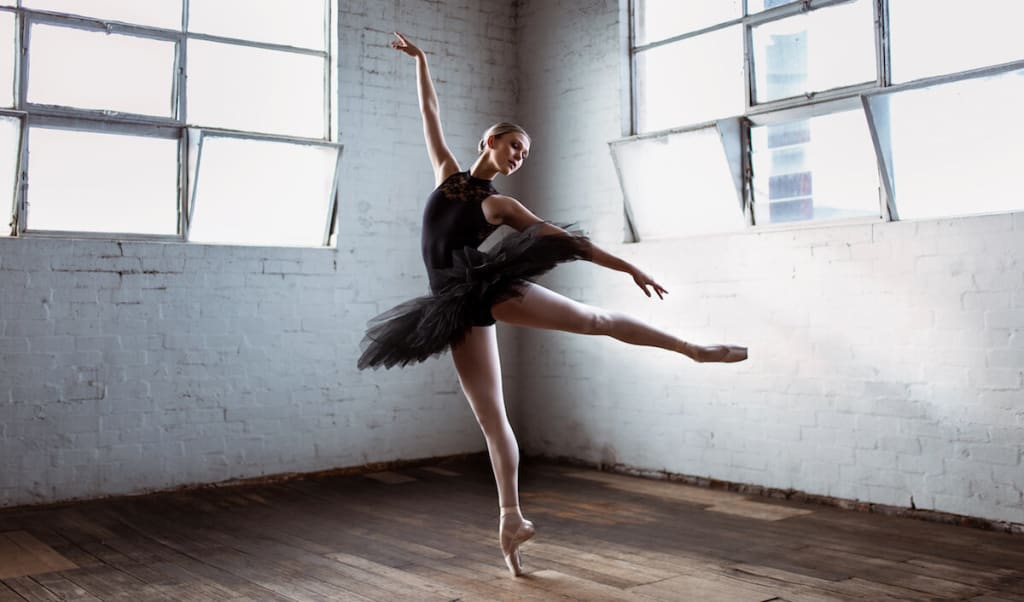
In the world of contemporary dance, few choreographers have captured the attention of audiences and critics quite like Hubert Essakow. A former soloist with The Royal Ballet, Essakow has transitioned seamlessly into a choreographer of unique vision and emotional depth. His works blend classical ballet technique with the expressiveness and innovation of modern dance, resulting in a choreographic style that is both distinctive and moving. But what exactly sets his work apart in the realm of modern ballet? This article explores the various facets of Essakow’s artistry, from his classical foundations and narrative intuition to his collaborative spirit and thematic boldness.
From Classical Roots to Creative Evolution
Essakow’s early career was deeply rooted in classical ballet. Born in Johannesburg, he trained at the Johannesburg Art School and began his professional journey with the Cape Performing Arts Board (CAPAB) Ballet Company at the age of 17. This period gave him a solid technical foundation and introduced him to narrative storytelling through movement.
His transition to The Royal Ballet in London marked a significant chapter in his development. As a soloist, he performed key roles in works by some of the most revered choreographers in history, including Kenneth MacMillan, Frederick Ashton, George Balanchine, and William Forsythe. These experiences helped him master the classical form while exposing him to neoclassical and contemporary innovations that later informed his choreographic work.
A Bold Leap into Contemporary Dance
Essakow made a conscious decision to step away from the traditional ballet path after over a decade at The Royal Ballet. He spent a year in Japan, a period of exploration and creative restlessness. Upon returning to the UK, he worked with Rambert Dance Company and Ballet Boyz, two companies known for their focus on contemporary dance.
This transition allowed him to explore movement in a more abstract and fluid way. Unlike the rigidity and structure of classical ballet, contemporary dance provided a platform for improvisation, personal expression, and collaboration. These new tools became cornerstones in his choreographic voice.
Signature Works and Thematic Explorations
One of the aspects that make Essakow’s choreography stand out is the thematic complexity and emotional depth of his works. Rather than relying solely on traditional ballet narratives, he draws inspiration from elements of nature, philosophy, and human psychology.
Flow (2013)
"Flow" is the first of a trilogy of works created for The Print Room in London. The piece is inspired by the transformative and adaptable nature of water. Featuring immersive stagecraft including actual rainfall and waterproof capes for the audience Flow breaks the fourth wall, drawing the viewer into the performance both physically and emotionally. The choreography mimics the states of water: melting, mist, rain, and storm each state represented through different movement textures and dynamics.
Ignis (2014)
"Ignis," the second part of the trilogy, focuses on fire not just as a physical phenomenon but as a metaphor for passion, desire, and decay. In collaboration with actor Sara Kestelman and poet Ben Okri, this work integrates spoken word with dance, resulting in a hauntingly beautiful performance that speaks to memory and transformation. The fusion of dance and literature here elevates the emotional intensity and adds a layer of narrative complexity rarely seen in ballet.
Terra (2015)
The final piece in the trilogy, "Terra," explores themes of migration, belonging, and environmental consciousness. It reflects on humanity’s connection to the earth, touching upon current socio-political issues such as displacement and ecological damage. The piece is notable for its use of minimalist stage design, powerful solo performances, and collective ensemble work that portrays both conflict and harmony.
Interdisciplinary Collaborations
Another key feature of Essakow’s choreographic identity is his commitment to interdisciplinary collaboration. Unlike many choreographers who focus solely on movement, Essakow brings together visual artists, composers, actors, and poets to enrich the dance experience.
In "Flow," he collaborated with designer Tom Dixon and cellist-composer Peter Gregson. These partnerships resulted in a performance that was as much about sound and visuals as it was about movement. By blending mediums, Essakow creates multi-sensory experiences that engage audiences on multiple levels.
This interdisciplinary approach is increasingly important in modern ballet, where boundaries between art forms are becoming more fluid. Essakow’s work sits comfortably at this intersection, making it both contemporary and timeless.
Physicality Meets Introspection
While Essakow’s works are visually arresting, they also demand introspection. His choreography often slows down moments of intensity to allow space for emotional depth. Movements that begin with vigorous, athletic expression often dissolve into stillness or minimal gestures, inviting the audience to contemplate the emotions underlying the action.
This balance between physicality and reflection is rare. Many choreographers excel in one but not the other. Essakow, however, ensures that every movement serves a purpose either narratively, emotionally, or thematically. His dancers don’t just perform; they embody ideas and emotions, turning the stage into a living canvas.
Impact on Dancers and Audience
Essakow’s influence extends beyond his choreography. As a teacher and mentor, he is deeply invested in the development of dancers. He teaches ballet and Pilates, using his understanding of anatomy and technique to help dancers improve both performance and injury prevention. His approach is holistic, focusing not just on form but also on the intention behind each movement.
For audiences, Essakow’s work offers a gateway into a more intellectual and emotional ballet experience. Viewers often describe his pieces as "thought-provoking" and "hauntingly beautiful." By engaging with modern issues and timeless themes alike, his work resonates with a wide range of people, from ballet purists to contemporary art enthusiasts.
A Legacy of Innovation
In a field that often grapples with tradition versus innovation, Hubert Essakow stands as a bridge between the two. His work honors the technical discipline of classical ballet while embracing the expressive freedom of modern dance. He represents a new kind of choreographer, one who respects the past but isn’t confined by it.
As ballet continues to evolve in the 21st century, voices like Essakow are crucial. They ensure that the art form remains relevant, accessible, and artistically robust. His legacy is not only in the performances he creates but also in the way he inspires a new generation of dancers and choreographers to think beyond the barre.
Conclusion: The Future of Dance through Essakow’s Lens
Hubert Essakow’s choreography is a masterclass in fusion of styles, disciplines, emotions, and ideas. His ability to transform the ballet stage into a platform for interdisciplinary storytelling sets him apart in the world of modern dance. By blending classical discipline with contemporary creativity, he creates works that challenge, move, and inspire.
As modern ballet continues to redefine itself, Essakow’s contributions offer a blueprint for what’s possible when tradition meets innovation. His work encourages dancers to think deeply, move authentically, and engage with the world through the powerful language of movement.
FAQs
What makes Hubert Essakow’s choreography different from traditional ballet?
Essakow blends classical ballet with contemporary dance and incorporates spoken word, music, and visual art to create multidisciplinary performances that are emotionally rich and thematically complex.
What are some notable works by Hubert Essakow?
His trilogy Flow, Ignis, and Terra are widely celebrated for their thematic focus on the elements and their innovative stagecraft.
Does Hubert Essakow teach dance?
Yes, Essakow is also a teacher of ballet and Pilates, offering training that combines technical precision with physical wellness.
Where can I view Hubert Essakow’s work?
His official website, hubertessakow.com, showcases his performances, collaborations, and educational offerings.
Why is Hubert Essakow considered important in modern ballet?
Because he bridges classical and contemporary styles, pushing the boundaries of ballet while honoring its traditions, making his work both relevant and pioneering.
About the Creator
The goals I did not achieve
Every writing goal I made for the year is a wash. It has been this way for a while, but I think it's important to be open about my failures and the reality of how life can get in the way. This is especially true considering the several times I have posted on Vocal about my writing goals, how I was changing my approach, and where I was hoping to be for the upcoming year. I will probably do that again in a couple months, but for now, it is time to acknowledge where I am today.
By Kay Husnick21 days ago in Journal
How AI Is Reshaping the Future of Software Development
Artificial intelligence is no longer an experiment running in parallel to engineering. It has moved directly into the production pipeline. For modern software development companies, AI is changing how code is written, tested, secured, and evolved. This shift is not cosmetic. It is structural. Businesses that treat AI as a feature will fall behind those that redesign their development model around it.
By Alice Carry3 days ago in Journal




Comments
There are no comments for this story
Be the first to respond and start the conversation.