
What is the Tech Stack Used to Build a Handyman App
Tech stack to create handyman app
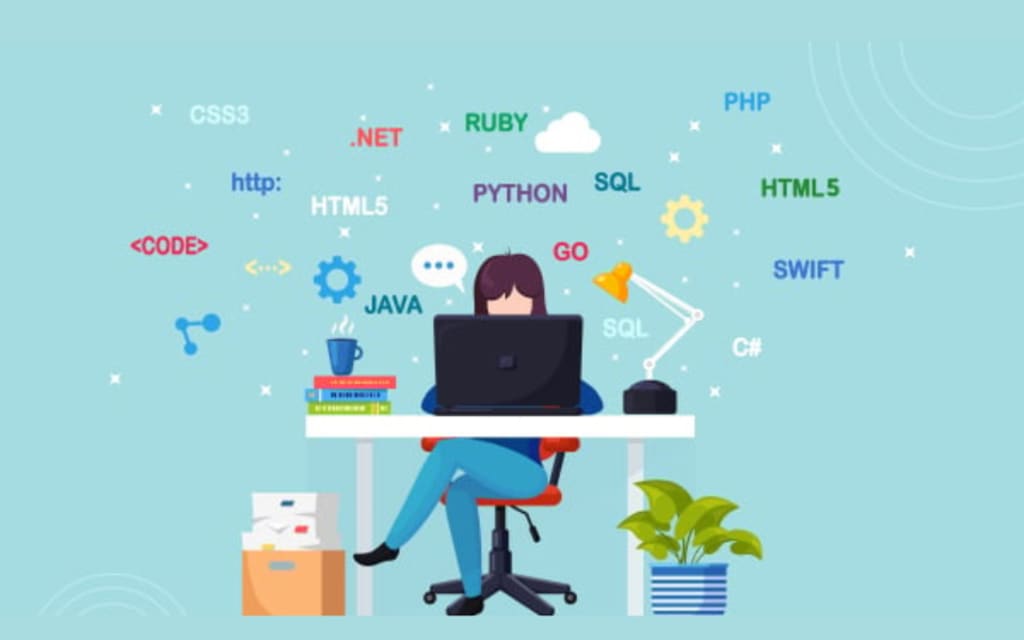
Are you thinking about building a handyman app to connect users with skilled professionals who can perform various tasks such as home repairs, renovations, and maintenance? If so, one of the key decisions you'll need to make is what tech stack to use. The tech stack refers to the set of technologies and tools that are used to build and run a software application.
In this blog, we'll explore some of the key technologies that are typically used to build a handyman app, including mobile app development frameworks, back-end technologies, databases, cloud hosting, payment gateway, push notifications, maps and location services, ratings, and reviews, and project management tools.
Understanding the tech stack used to build a handyman app will help you make informed decisions about the development of your app and ensure that it has the features and functionality that your users need.
Let's dive into the topic…
The Tech stack used to create Handyman app
A handyman app is a mobile application that connects users with skilled handymen or professionals who can perform various tasks such as home repairs, renovations, and maintenance. The tech stack used to build a handyman app will depend on the specific requirements and features of the app. However, some of the key technologies that are typically used to build a handyman app include:
Mobile app development frameworks:
There are several mobile app development frameworks that can be used to create handyman app. A few popular options include React Native, Flutter, and Xamarin. These frameworks allow developers to build native mobile apps for Android and iOS platforms using a single codebase.
Back-end technologies:
The back-end of a handyman app is responsible for storing and managing data, handling business logic, and providing APIs for the front-end mobile app to access data and perform various actions. Some common back-end technologies that can be used to develop a handyman app include Node.js, Ruby on Rails, and Django.
Databases:
A database is used to store and manage data for a handyman app. Some popular database options include MySQL, MongoDB, and PostgreSQL.
Cloud hosting:
Cloud hosting platforms such as Amazon Web Services (AWS), Microsoft Azure, and Google Cloud Platform (GCP) can be used to host the back end of a handyman app. These platforms provide various services such as storage, computing, and networking that can be utilized to build and run a handyman app.
Payment gateway:
A payment gateway is used to process payments made through the handyman app. Some popular payment gateway options include Stripe, PayPal, and Braintree.
Push notifications:
Push notifications are used to send alerts or updates to users of a handyman app. Some popular push notification services include OneSignal, Firebase Cloud Messaging (FCM), and Urban Airship.
Maps and location services:
Maps and location services are used to enable users to locate handymen in their area and to track the location of handymen as they move around. Some popular map and location services include Google Maps, Mapbox, and TomTom.
Ratings and reviews:
Ratings and reviews are an important feature of a handyman app as they allow users to rate and review the services of handymen. Some popular options for implementing ratings and reviews include Yelp, Trustpilot, and Google Reviews.
Project management tools:
Project management tools are used to track and manage tasks, deadlines, and communication between users and handymen. Some popular project management tools that can be used in a handyman app include Trello, Asana, and Basecamp.
Conclusion
Building a handyman app requires the use of a tech stack that includes both front-end and back-end technologies. On the front end, a handyman app may be built using a combination of HTML, CSS, and JavaScript to create the user interface. On the back end, a handyman app may be powered by technologies such as a server-side language like Python or PHP, a database system like MySQL or MongoDB, and a cloud hosting like AWS or GCP. Other tools and frameworks, such as mobile development frameworks and cloud computing platforms, may also be used to build and deploy a handyman app. Ultimately, the specific tech stack used to create handyman app will depend on the specific needs and goals of the app, as well as the preferences of the development team.
About the Creator
Keep reading
More stories from Jackpatrick and writers in Journal and other communities.
Top 5 on demand app development companies in 2023
In recent years, on-demand apps are bringing a transformation to every industry. The reason is, nowadays, people prefer to have everything at their doorstep. We cannot blame people as technology and the internet have changed the entire game.
By Jackpatrick3 years ago in Journal
How to Build AI Agents in 2026: Stop Coding Like It's 2024
Remember when we all thought pasting a prompt into ChatGPT was "prompt engineering"? Cute. It's 2026 now, and if your "AI" can't plan a vacation, book the flights, and argue with the airline about a refund, it's just a chatbot. Learning how to build AI agents isn't just a resume booster anymore; it's the only way to survive the "white-collar shockwave" experts warned us about.
By Sherry Walker7 days ago in Journal
Smart phones, Humans and Aliens.
WARNING. I will be tapping into one of your favorite creative tensions: The absurdity of humans worshipping their glowing rectangles as if they were tiny oracles. There’s something deliciously poetic about that contradiction, and it lends itself beautifully to an instructive proviso.
By Novel Allen4 days ago in Poets



Comments (1)
Thanks for sharing ,This blog provides a clear and concise overview of the tech stack behind handyman apps. It's a must-read for anyone interested in the development of these platforms.I’m Adam from SpotnRides.