
What is the American Primeval-LDS Church Controversy About? Details Explored
“We never said we are making a documentary and that it’s all based 100% on facts. There are many liberties taken.

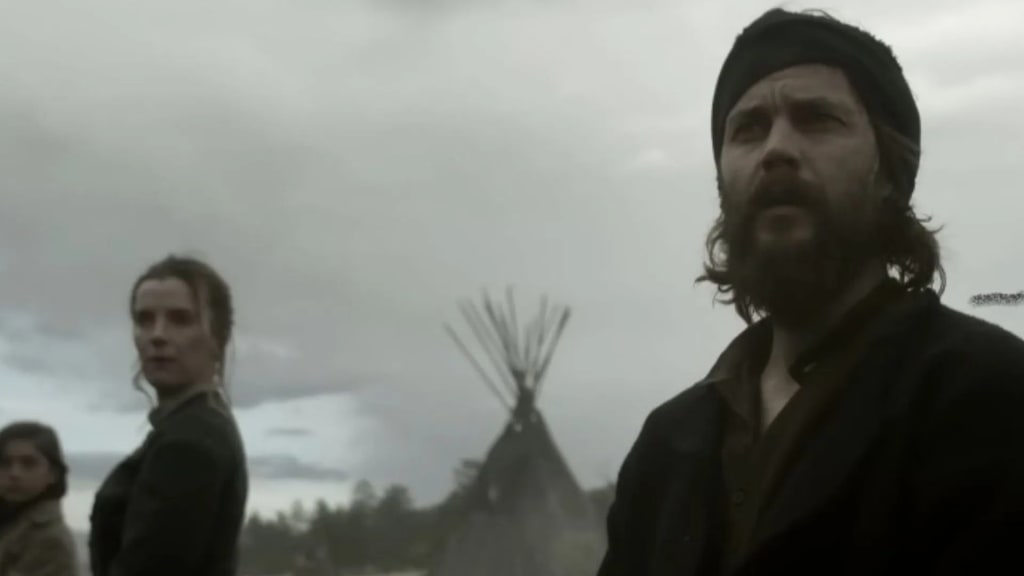
The release of Netflix’s new historical drama series American Primeval on January 9, 2025, has ignited controversy, especially among members of the LDS Church (The Church of Jesus Christ of Latter-day Saints). The show, directed by Peter Berg, dramatizes pivotal moments in 19th-century American history, including a fictionalized portrayal of the Mountain Meadows Massacre and the role of Brigham Young, a central figure in LDS Church history.
While some viewers have praised the show for shedding light on America’s tumultuous past, many Latter-day Saints argue that American Primeval misrepresents key events and individuals, particularly Brigham Young, whom the series depicts as a violent and fanatical leader. This depiction has prompted strong responses from the LDS Church and its members. Let’s dive deeper into the controversy, its historical context, and the perspectives of both sides.
What Is the Mountain Meadows Massacre?
Central to the American Primeval-LDS Church controversy is the series’ dramatization of the Mountain Meadows Massacre, one of the darkest chapters in LDS Church history.
The massacre occurred on September 11, 1857, when a wagon train of emigrants traveling to California was attacked in southern Utah. Over 120 men, women, and children were killed by a group of local militia members and Native Americans. Historical evidence suggests that the militia, affiliated with the LDS Church, carried out the attack under tense conditions, as the U.S. government had sent troops to Utah during the so-called “Utah War.”
Brigham Young, the then-leader of the LDS Church and territorial governor of Utah, has long been a controversial figure in discussions of the massacre. While some historians argue that Young tried to prevent the attack, others believe he may have indirectly contributed to the conditions that led to it.
How Does American Primeval Portray Brigham Young and the LDS Church?
American Primeval portrays Brigham Young as a central figure in the Mountain Meadows Massacre, painting him as a manipulative and violent leader. In the series, Young is depicted as a fanatical character who wields religion as a tool for control and incites violence in the name of faith.
The show compresses the timeline of events, portraying the massacre as a single, dramatic event rather than the multi-day siege that historical accounts describe. This artistic liberty has drawn criticism from the LDS Church, which has accused the series of presenting a one-sided and sensationalized version of history.
What Did the LDS Church Say About American Primeval?
In a statement addressing the controversy, the LDS Church expressed its disappointment with the series, emphasizing that American Primeval mischaracterizes Brigham Young and distorts historical events.
The statement read:
“While historical fiction can be illuminating, this drama is dangerously misleading. Brigham Young, a revered prophet and courageous partner, is by any historical standard egregiously mischaracterized as a villainous violent fanatic.
The Savior’s message is clear: His true disciples build, lift, encourage, persuade, and inspire—no matter how difficult the situation.”
Church members and leaders have pointed out that the show’s dramatization undermines efforts to understand the complex historical and social circumstances surrounding the massacre.
What Did Peter Berg, Director of American Primeval, Say?
In response to the criticism, Peter Berg defended the series, acknowledging that it takes creative liberties but insisting that it is rooted in historical research.
Berg stated:
“We never said we are making a documentary and that it’s all based 100% on facts. There are many liberties taken.
It is not a literal depiction of the Meadows Massacre because that massacre took over three days and ours takes place quickly. I’ve heard some of the pushback, but I haven’t heard anyone from the Mormon side deny that the Meadows Massacre happened and the Mormons did it.”
Berg further explained that his research into the Mountain Meadows Massacre led to a deeper exploration of Brigham Young’s leadership and decision-making. He added:
“The more we researched the Meadows Massacre, that took us down a Brigham Young rabbit hole. I’m empathetic to Brigham Young and the LDS Church, but the Meadows Massacre did happen, and they were involved.”
Historical Accuracy vs. Artistic Liberty
The controversy surrounding American Primeval highlights a broader debate about the balance between historical accuracy and artistic liberty in storytelling.
Supporters of the series argue that historical dramas often use fictionalized elements to convey broader truths or spark interest in overlooked historical events. Critics, on the other hand, contend that such portrayals risk misleading viewers and perpetuating harmful stereotypes or inaccuracies.
In the case of American Primeval, the LDS Church and its members argue that the series unfairly vilifies Brigham Young and oversimplifies the complex factors leading to the Mountain Meadows Massacre.
Broader Implications for the LDS Church
The American Primeval controversy is not the first time the LDS Church has faced scrutiny in popular media. Films, books, and TV series have often portrayed the church and its history in ways that spark debate among members and historians.
For the LDS Church, such portrayals present both challenges and opportunities. While negative depictions can harm the church’s public image, they also provide a chance to engage in dialogue about its history and beliefs. The church has previously sought to educate the public through official statements, historical research, and public outreach.
What Does This Controversy Mean for Audiences?
For viewers of American Primeval, the controversy serves as a reminder to approach historical dramas with a critical eye. While such series can offer compelling narratives, they should not be taken as definitive accounts of history.
The LDS Church has encouraged its members to educate themselves about the Mountain Meadows Massacre and the broader context of 19th-century Mormon history. By seeking out reputable sources and engaging in thoughtful discussion, viewers can gain a deeper understanding of the events depicted in American Primeval.
Balancing Storytelling and Sensitivity
The American Primeval-LDS Church controversy underscores the complexities of representing history in entertainment. While the series has drawn attention to a pivotal moment in American and LDS history, its dramatized portrayal of Brigham Young and the Mountain Meadows Massacre has sparked significant debate.
As viewers, it’s essential to recognize the line between historical fact and fiction, seeking to understand the broader context behind dramatized events. For the LDS Church, the controversy offers an opportunity to engage with the public, clarify misconceptions, and share its perspective on a challenging chapter in its history.
Ultimately, American Primeval serves as a reminder of the power—and responsibility—of storytelling in shaping how we understand the past.
About the Creator
Omasanjuwa Ogharandukun
I'm a passionate writer & blogger crafting inspiring stories from everyday life. Through vivid words and thoughtful insights, I spark conversations and ignite change—one post at a time.
Keep reading
More stories from Omasanjuwa Ogharandukun and writers in Journal and other communities.
The goals I did not achieve
Every writing goal I made for the year is a wash. It has been this way for a while, but I think it's important to be open about my failures and the reality of how life can get in the way. This is especially true considering the several times I have posted on Vocal about my writing goals, how I was changing my approach, and where I was hoping to be for the upcoming year. I will probably do that again in a couple months, but for now, it is time to acknowledge where I am today.
By Kay Husnick23 days ago in Journal
américa - atl. san luis
I found it in my father’s wallet after he passed. Tucked behind his ID, worn soft at the edges, was a ticket stub from a match twenty years ago. The ink had faded, the date blurred, but I remembered the day: rain falling sideways, the stadium half-empty, our team losing badly. We’d left before the final whistle, soaked and silent.
By KAMRAN AHMAD4 days ago in Journal


Comments (1)
Well written ♦️♦️♦️♦️