
What Is So Special About Merino Wool?
Merino Wool

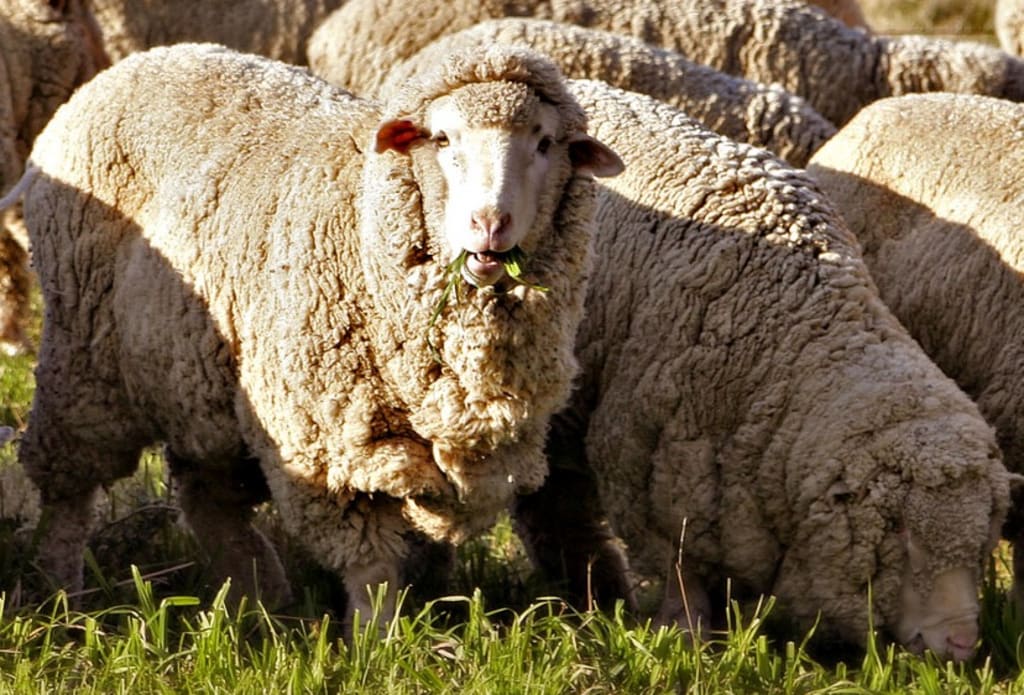
Merino wool stands unrivaled among natural fibers. No other fiber matches Merino wool in terms of warmth, breathability, and softness. A favorite among outdoor enthusiasts and fashionistas alike, merino wool is not only practical and comfortable but also one of the best choices for winter and outdoor clothing. Unlike other wools, this one comes from the merino sheep. A breed with the speciality of producing soft, itchless wool like no traditional wool ever had. Due to these quality characteristics, there is always a reasonable justification for believing that merino wool remains a superior material worth investing in.
What Makes Merino Wool Special?
The best explanation for how merino wool is viewed as extremely valuable nowadays is that this wool material has an exceptionally natural system of regulating its temperature too effectively. This adaptability makes the merino wool retain warmth within the body in colder climates but cool down in high temperatures by absorbing moisture from the skin and letting it evaporate into the air to control the body temperature. In these characteristics, merino wool performs very well in winter, is surprisingly comfortable in milder temperatures, and is hard to beat for such versatility combined with coziness and breathability.
Merino wool is also odor-resistant. Because of its natural antibacterial properties, it can prevent odor buildup even after long days of wear. This is a great advantage for travelers, hikers, or anyone who wants to avoid frequent washing without losing freshness. Compared with other synthetic fibers, which trap smells, merino wool is long-wearing enough.
The Disadvantages Of Merino Wool
Merino wool is also good, but even its excellent qualities come at the price of some weaker features. It's probably the least durable of most of the materials available. Because merino wool is so soft and consists of finer fibers, these thin, delicate strands can clump together and form pills very easily and thus tend to wear out sooner. It's valid only for garments like base layers, sweaters, or scarves, not for heavily worn outerwear with abrasive conditions.
Merino wool is also more sensitive to touch. Unlike synthetic materials, it cannot be thrown into the washer and dryer because it shrinks and breaks easily. While most merino wool can be machine-washed in gentle cycles, it needs hand-washing and air-drying to retain its original shape and softness. Though this might be a small price for such a quality material, it creates a hassle for those who love low-maintenance fabrics.
Cost Of Merino Wool
Is Merino Wool Expensive, relatively more expensive than other forms of wool? The answer is simply that the product is more expensive for several reasons. First is the care in breeding the merino sheep, which is not an easy job. Its shearing is also quite labour-intensive. Another reason for the high cost is that the fiber's quality is premium due to its fineness and softness. However, most people state it is worth that extra buck to have benefits such as comfort, breathability, and odor resistance. Of course, while Merino wool is pricey, its long-term quality and versatility make the purchase worthwhile.
Why Is Merino Wool So Expensive?
The unique care and resources needed in its production reduce the cost of merino wool. Merino sheep are not as common as other sheep; they are handled with tender love and care so that they give soft wool. The fibers are finer than ordinary wool; a more gentle process, starting from shearing, will be required to spin the yarn. Such labor and care increase the cost of merino wool.
The geographical location where merino sheep are bred also contributes to the price. Merino wool is mainly sourced from countries with climates like Australia and New Zealand, which have the perfect environment for raising merino sheep. Exporting this wool contributes to the final price, as it needs to be processed with utmost care to preserve quality.
Merino Wool Is Excellent For Winter Wear
Is merino wool suitable for winter? It is designed to trap in warmth without adding too much bulk. Its fibers automatically insulate by creating micro-air pockets that retain some body heat that could otherwise be lost if you were in colder climes. What really sets this material apart, though is it doesn't trap moistures-it wicks such sweat and humidity away from one's skin and releases so you don't feel stuck in damp clothes. This means merino wool layers make excellent winter clothing options for outside in the snow or at home.
This light warmth also lends to layering. You can wear Merino wool shirts or base layers underneath your jackets or other sweaters for extra insulation that is not heavy. Thus, you could adjust quickly to fluctuations in winter temperatures while being warm but not too warm.
How To Care For Merino Wool
Since merino wool is costly, good care is the best way to keep it in good shape. The safest method for hand-washing is in cold water with mild wool detergent so as not to shrink or damage the fibers. Gently squeeze out excess water without wringing the fabric and lay it flat to dry, maintaining its natural shape. Some merino wool clothing can be machine-washed on a delicate cycle, but it is preferred to air dry to avoid shrinkage.
The most important precaution when working with merino wool is avoiding heat, as the fibers crumple under temperature. Direct exposure to sunlight can also reduce its color, thus drying it up under some shade. With this minimal effort, merino wool can remain soft and robust, allowing you to use each piece to its total capacity.
The Versatility Of Merino Wool
Besides its significant use in winter, merino wool has been seen to be best for hiking and camping. The wearer is ensured comfort because it breathes and dries out quickly. This has made this wool essential for the great outdoors person and wear-and-tear clothing alike.
It's lightweight, odor-resistant, and perfect for multi-day trips without frequent washing—a massive bonus for anyone on the go. Its softness and temperature-regulating qualities make it ideal for everyday pieces like scarves, socks, and casual wear. Whether you are out in the wild or just running errands, merino wool adapts easily to a range of activities and temperatures.
Is Merino Wool Worth The Investment?
Prized for its warmth, comfort, and general application, merino wool has surely earned one of the top places among the highest-quality natural fibers. While cost and delicate care may be considered two disadvantages of merino wool, many benefits ensure that the gains surpass the losses. Winter and throughout the year, merino wool carries some natural properties for comfort and reliability. Merino wool is worth considering for the quality-conscious, comfort-loving, and performance-oriented individual, especially for a fabric that balances practicality and luxury.
Conclusion
In conclusion, merino wool can be considered not just winter-friendly or a good quality material. It's unique because of its ability to adapt to different needs, climates, or lifestyles. Whether you wear it for a snowy day or want a breathable one for outdoor activities, such unique characteristics make merino wool the perfect addition to any wardrobe.
About the Creator
The Leather Jackets
This journey started in 2014. The Leather Jacket is said to create a unique product that will stand out from the rest. Using the knowledge from years of practice and focus on the fashion industry.
Keep reading
More stories from The Leather Jackets and writers in Journal and other communities.
Are Shearling Coats Warm?
As the cold rolls into town, the age-old question in many a head is, "Are shearling coats warm?" Yes, they can be an efficient way to keep warm while winter bites. Insulated and comfortable, a shearling coat is produced with sheepskin that maintains all its wool. I remember my first slip inside a shearling coat on a frosty day. It was like wrapping myself in a warm blanket. This article will delve into the warmth of shearling and fur coats, their types, comparisons, and the best options available.
By The Leather Jacketsabout a year ago in Journal
Author’s Advice
If you would’ve asked me 20 years ago did I know I’d become a writer and an author, I would’ve said “nope, ain’t happening”. As fate would have it I did become an author and I can honestly say I’m loving it so far. It really does feel good to be a writer. I’ve learned a lot on this journey and I feel like with even me being as new to this world as I am, there’s some wisdom I need to share with every other aspiring author.
By Joe Patterson4 days ago in Journal
Acoustic Vehicle Alerting System Market Enhancing Safety for Quiet Electric Vehicles
The Safety Signal for Silent Vehicles Electric and hybrid vehicles are significantly quieter than traditional internal combustion engine vehicles, especially at low speeds. While this contributes to reduced noise pollution, it also creates a safety challenge for pedestrians and cyclists who rely on engine sound to detect approaching vehicles.
By james robert2 days ago in Journal
The First Rainbow Baby
Pitter-patter, pitter-patter. The rain fell in rhythmic splatters, slowly slowing, but still constant. Mira rolled onto her side pulling the blanket tight against her ears, but still she could hear chitter-chatter and scurrying feet of the creatures that refused to sleep in the lower decks.
By A. J. Schoenfeld2 days ago in Fiction



Comments
There are no comments for this story
Be the first to respond and start the conversation.