
What is "Make America Healthy Again"?
A health initiative proposed by Robert F. Kennedy Jr. under the guidance of President-elect Donald Trump
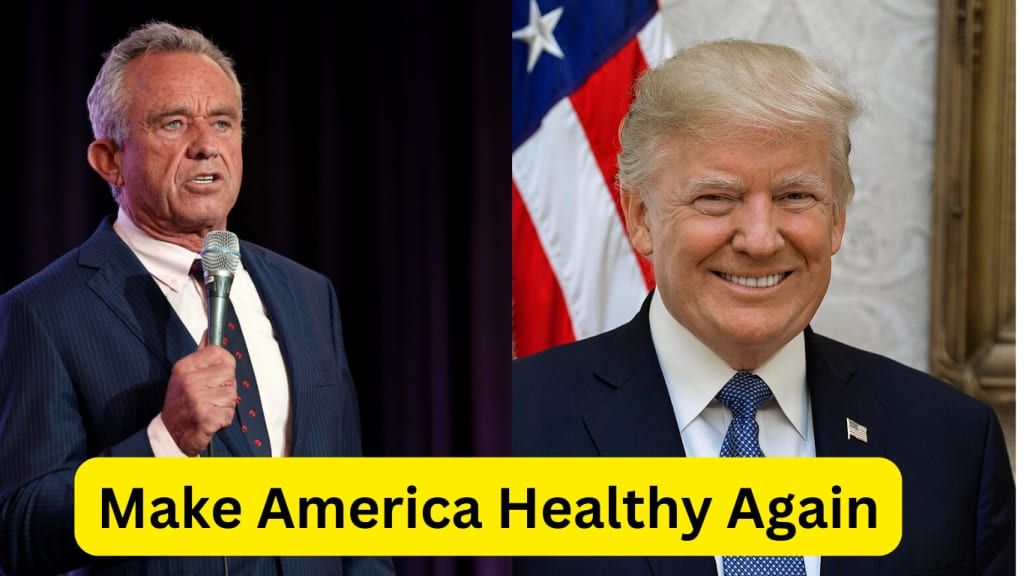
"Make America Healthy Again" (MAHA) is a health initiative proposed by Robert F. Kennedy Jr. under the guidance of President-elect Donald Trump, with a mission to reduce chronic disease in the United States. Kennedy, appointed by Trump as a key advisor on health, attributes a significant portion of America’s chronic health issues—such as obesity, diabetes, ADHD, and infertility—to the harmful influences of large pharmaceutical and food industries. He argues that these industries, enabled by weak regulatory oversight, have exposed Americans to a “toxic soup” of harmful chemicals, additives, and unhealthy food products. This initiative represents Kennedy’s attempt to overhaul America’s food, drug, and health systems.
Key Components of MAHA
National Emergency for Chronic Diseases Kennedy proposes that Trump should declare a national emergency for chronic diseases, similar to measures taken for infectious diseases during the COVID-19 pandemic. This declaration would expedite funding and regulatory adjustments to address the chronic disease “epidemic.” Kennedy has committed to showing measurable reductions in chronic disease within two years, emphasizing the urgent need for reform.
Agency Reform and Staff Replacement A key part of Kennedy's platform involves transforming federal health agencies like the Department of Health and Human Services (HHS) and the Food and Drug Administration (FDA). He plans to replace current leadership with professionals focused on removing corporate influence from these agencies, aiming to restore “gold-standard, evidence-based science.” His approach also includes removing staff he views as overly aligned with large food and pharmaceutical interests. Kennedy has expressed a desire to fire “every nutritional scientist” within the USDA and HHS, contending that existing dietary guidelines are driven by industry agendas rather than genuine science.
Improving Food Standards Kennedy is particularly critical of the American food industry, citing thousands of additives and chemicals allowed in U.S. foods that are banned abroad. He argues that these additives, such as certain food dyes and glyphosate (a common herbicide), contribute to various health issues. He wants stricter regulations on food ingredients, reducing or eliminating harmful chemicals, pesticides, and herbicides from the food supply. His personal experiences, such as seeing his son’s eczema improve with European food versus American food, have reinforced his stance.
Changes to School and Federal Food Programs Kennedy plans to remove processed foods from school lunches and reduce sugar and unhealthy additives in federal food assistance programs. He opposes the use of seed oils and certain grains in school meals, linking them to America’s obesity rates. Kennedy’s proposals contrast with the current federal dietary guidelines, which emphasize whole grains and moderate saturated fats. He believes the guidelines need fundamental change to reduce chronic disease effectively.
Limiting Pharmaceutical Influence and Advertising Kennedy advocates banning pharmaceutical advertising on TV, arguing that it biases media coverage and impacts public perceptions of health. He also seeks reform of the Prescription Drug User Fee Act, which funds a significant portion of the FDA’s budget through fees paid by pharmaceutical companies. He believes these financial ties create conflicts of interest and compromise the FDA’s role in protecting public health.
Expanding Alternative Health Solutions MAHA promotes a “food is medicine” approach, supporting Medicare and Medicaid coverage for gym memberships and nutritious food. Kennedy believes non-drug therapies, such as dietary changes, should be considered first-line treatments for many chronic conditions, challenging the dominance of pharmaceuticals in American healthcare.
Transparency and Informed Vaccine Choices While Kennedy does not oppose vaccines, he is a vocal critic of vaccine safety transparency, calling for better public information on vaccine risks and benefits. He aims to foster a culture of “informed choice” around vaccinations, despite controversial claims regarding vaccine safety that have been widely criticized by public health experts.
Removing Fluoride from Drinking Water Another aspect of MAHA is Kennedy’s opposition to water fluoridation. He argues that fluoride can harm children’s cognitive development, citing emerging studies and concerns about dosage levels. His position challenges the current consensus, which views water fluoridation as a safe and effective means of reducing tooth decay.
Conclusion
MAHA represents a significant shift in U.S. public health policy, emphasizing natural health, increased regulation of food and pharmaceutical industries, and agency reform. While Kennedy’s proposals have drawn support from some health advocates, they face strong opposition from established scientific and regulatory institutions. Nonetheless, MAHA underscores a commitment by Kennedy and Trump to disrupt the status quo in America’s approach to health and chronic disease.
About the Creator
Keep reading
More stories from Sangita Nandi and writers in Journal and other communities.
Who is Tulsi Gabbard?
Tulsi Gabbard, a name that has grown increasingly prominent in American politics, is best known as a former Democratic congresswoman from Hawaii, an Army National Guard veteran, and the first Hindu and American Samoan elected to Congress. In 2024, she was appointed by President-elect Donald Trump as Director of National Intelligence, marking her latest step in a career defined by bold, often unconventional choices.
By Sangita Nandiabout a year ago in Journal
The goals I did not achieve
Every writing goal I made for the year is a wash. It has been this way for a while, but I think it's important to be open about my failures and the reality of how life can get in the way. This is especially true considering the several times I have posted on Vocal about my writing goals, how I was changing my approach, and where I was hoping to be for the upcoming year. I will probably do that again in a couple months, but for now, it is time to acknowledge where I am today.
By Kay Husnick22 days ago in Journal
Why Florida Car Dealers Must Carry a Surety Bond
If you’re planning to open a used car dealership in Florida, one of the first compliance requirements you’ll encounter is the dealer surety bond. Many people assume this is just another formality in the licensing process, but it plays a much bigger role than most applicants realize.
By American US Insurance3 days ago in Journal




Comments
There are no comments for this story
Be the first to respond and start the conversation.