

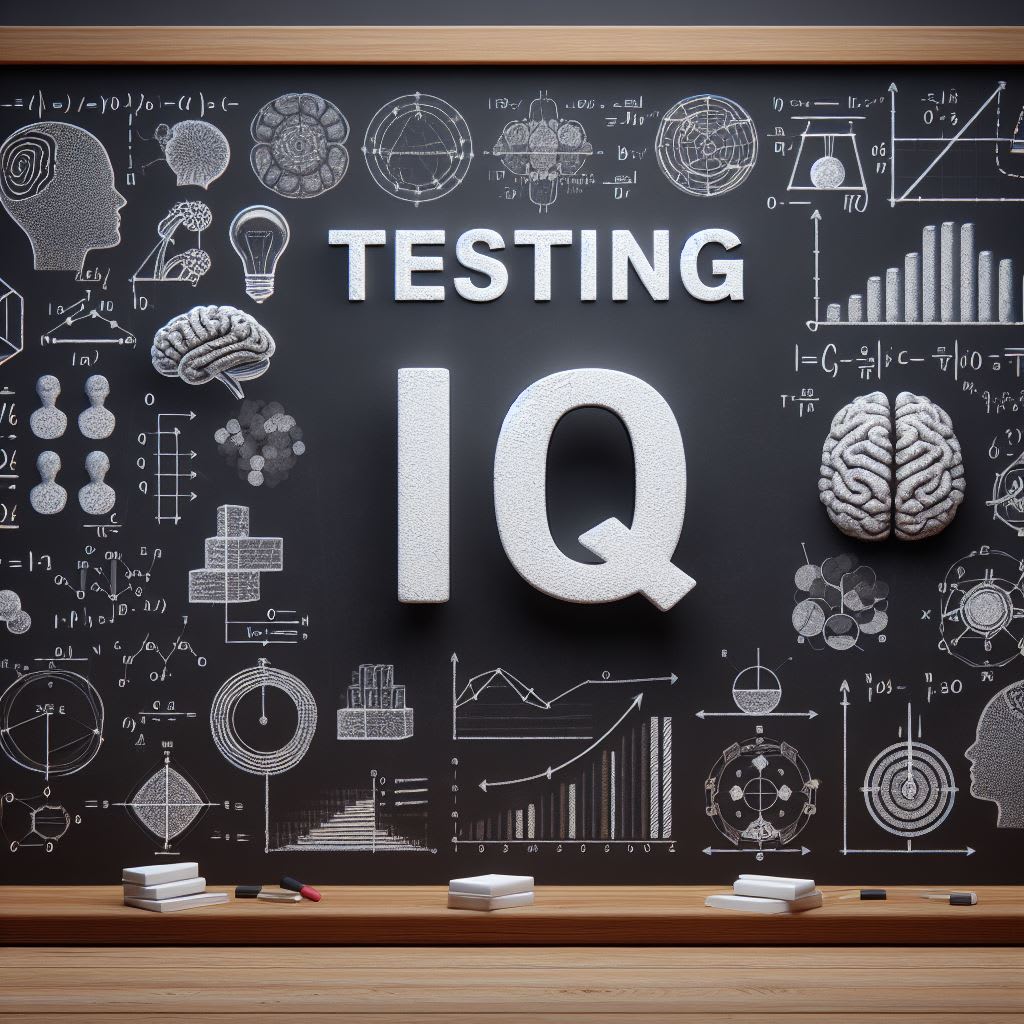
Introduction to IQ Testing
IQ, or Intelligence Quotient, is a measure used to assess an individual's cognitive abilities, including reasoning, problem-solving, and abstract thinking. It serves as a tool to gauge intellectual potential and has implications in various aspects of life, from education to employment opportunities.
Reliability of IQ Tests
One crucial aspect when testing IQ is the reliability of the assessment. Reliability refers to the consistency of results obtained when the test is administered multiple times. A reliable IQ test should produce similar scores for the same individual under consistent conditions. Factors such as test length, scoring methods, and test-taker's state of mind can influence reliability.
Validity of IQ Tests
Another essential consideration is the validity of IQ tests, which pertains to the accuracy of the assessment in measuring intelligence. Validity ensures that the test measures what it intends to measure. There are different types of validity, including content validity, criterion validity, and construct validity, each evaluating different aspects of the test's effectiveness.
Standardization in IQ Testing
Standardization is crucial in IQ testing to ensure fairness and consistency across administrations. Standardized procedures involve establishing norms and comparisons based on a representative sample of the population. This allows for meaningful interpretation of individual scores relative to the broader population.
Test Administration
Proper administration of IQ tests is essential to obtain accurate results. This includes creating a conducive testing environment free from distractions and ensuring that examiners are qualified and trained to administer the tests effectively. Adequate instructions and support should also be provided to test-takers to minimize anxiety and confusion.
Types of IQ Tests
There are various types of IQ tests, each assessing different cognitive abilities. Verbal IQ tests focus on language and verbal reasoning skills, while performance IQ tests measure visuospatial abilities and non-verbal problem-solving skills. Comprehensive IQ tests combine both verbal and performance tasks to provide a holistic assessment of intelligence.
Cultural Bias in IQ Testing
Cultural bias in IQ testing can skew results, particularly for individuals from diverse cultural backgrounds. Test items that are culturally specific may disadvantage certain groups, leading to inaccurate assessments of intelligence. To address this issue, efforts should be made to develop culturally fair tests and provide accommodations for culturally diverse test-takers.
Ethical Considerations
Ethical considerations in IQ testing include maintaining confidentiality of test results and ensuring fairness in testing procedures. Test administrators must uphold ethical standards to protect the rights and well-being of test-takers and prevent misuse of IQ test scores for discriminatory purposes.
Interpretation of IQ Scores
Interpreting IQ scores requires an understanding of score ranges and their implications for individuals. While IQ scores can provide insights into cognitive abilities, they should be viewed as one aspect of a person's overall profile. Factors such as motivation, effort, and socio-emotional skills also play a significant role in determining success.
Continuous Monitoring and Improvement
IQ testing methods should be continuously monitored and updated to reflect advancements in research and technology. Regular reviews of test content and procedures help ensure that IQ assessments remain relevant and effective in accurately measuring intelligence.
Challenges in IQ Testing
Despite its widespread use, IQ testing faces criticism and controversies, including concerns about cultural bias, reliability, and validity. Addressing these challenges requires ongoing research and collaboration among experts in psychology, education, and assessment.
Practical Applications of IQ Testing
IQ testing has practical applications in various fields, such as education and career counseling. IQ scores can inform decisions regarding academic placements, career choices, and intervention strategies for individuals with learning disabilities or developmental delays.
Importance of Emotional Intelligence
In addition to cognitive abilities, emotional intelligence plays a significant role in personal and professional success. Assessments of emotional intelligence complement IQ tests by capturing non-cognitive skills such as self-awareness, empathy, and interpersonal communication.
Impact of Testing Environment
The testing environment can influence test performance, with factors such as anxiety and stress affecting results. Creating a supportive and low-stress environment can help optimize test performance and ensure more accurate assessments of intelligence.
Conclusion
Testing IQ involves various considerations, from ensuring the reliability and validity of assessments to addressing cultural bias and ethical concerns. By understanding the complexities of IQ testing and its limitations, we can make more informed decisions about its use in different contexts.
Frequently Asked Questions (FAQs)
Is IQ testing the only measure of intelligence?
No, IQ testing provides one perspective on cognitive abilities, but it doesn't capture the full spectrum of human intelligence, including creativity, emotional intelligence, and practical skills.
Can IQ scores change over time?
While IQ scores tend to remain relatively stable over the lifespan, they can be influenced by factors such as education, experiences, and neurological changes.
Are IQ tests culturally biased?
Some IQ tests may exhibit cultural bias, but efforts are made to develop culturally fair assessments and provide accommodations for individuals from diverse backgrounds.
What should I do if I'm unhappy with my IQ test results?
It's essential to remember that IQ scores are just one measure of intelligence. Focus on developing your strengths, seek support if needed, and don't let a single test score define your worth.
How can I improve my IQ?
While IQ is influenced by genetic factors, engaging in intellectually stimulating activities, pursuing education, and maintaining a healthy lifestyle can help support cognitive function and overall well-being.
About the Creator
IQ Metrics
IQMetrics.org is a comprehensive platform offering insightful resources on IQ testing, assessments, and understanding intelligence metrics.
http://iqmetrics.org
Keep reading
More stories from IQ Metrics and writers in Journal and other communities.
What Does an IQ Test Determine?
Exploring the Depths of Intelligence Quotient Assessments In the realm of cognitive evaluations, IQ tests stand as stalwart measures of intellect and cognitive abilities. But what exactly do these tests determine? Let's delve into the intricate layers of IQ assessments to unveil their true essence.
By IQ Metrics2 years ago in Journal
How to Choose the Right Academic Path in the Maritime Sector
Choosing an academic path in the maritime sector is rarely straightforward. Many students begin with a general interest in the field but limited understanding of how roles actually differ. The industry covers a wide range of work, and early choices can shape how easily someone moves forward later on.
By Jeewanthi Armstrong4 days ago in Journal



Comments (1)
Hey there, just wanna let you know that this needs to have the disclaimer added to the beginning or ending, stating that it was created with the help of AI 😊