
What Is DTF Printing? A Complete Guide to Direct to Film Printing
A beginner-friendly breakdown of the DTF printing process, how it works, and why it’s transforming custom apparel printing

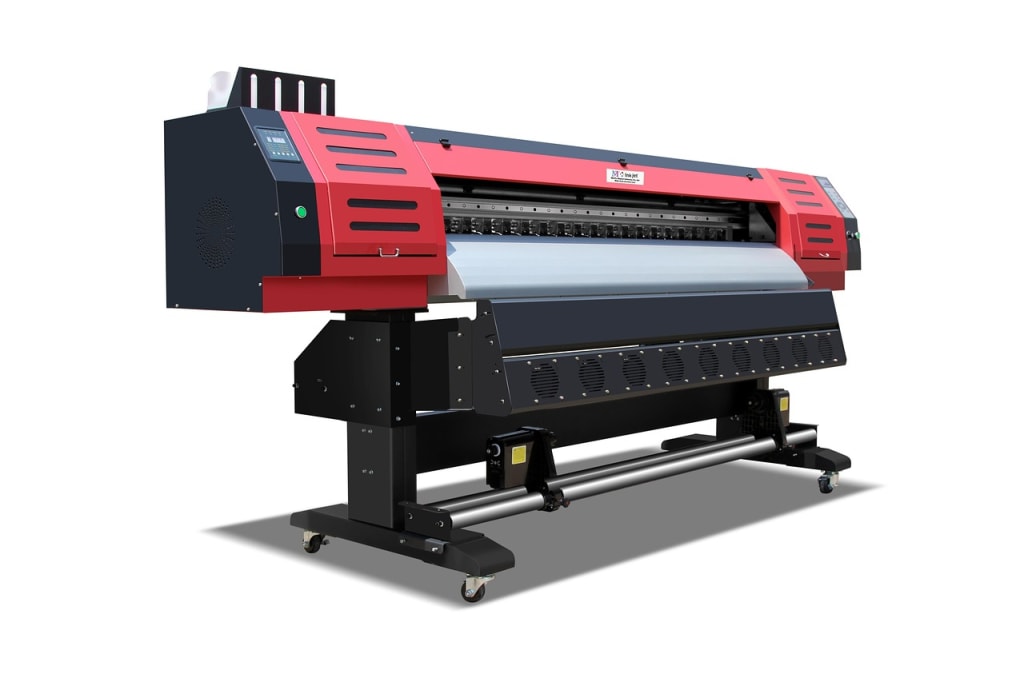
DTF printing has become one of the most talked-about garment decoration methods in recent years. As apparel businesses and creators look for flexible, reliable, and cost-effective printing solutions, Direct to Film print technology continues to gain popularity. Understanding what is DTF printing, how it works, and where it fits compared to other methods can help you decide if it’s right for your needs.
What Is DTF Printing and How Does It Work?
DTF printing (Direct to Film printing) is a method where designs are printed onto a special PET film and then transferred onto fabric using heat and adhesive. Instead of printing directly onto the garment, the design is applied as a transfer, allowing for consistent results across many fabric types.
The DTF transfer process includes printing the design, applying adhesive powder, curing the transfer, and heat pressing it onto the garment. This approach eliminates the need for screen setups or fabric pre-treatment.
What Is the DTF Printing Process?
The DTF printing process follows a simple but precise workflow designed to produce durable, vibrant prints.
- Artwork is created and mirrored digitally
- The design is printed onto DTF film using specialty inks
- Adhesive powder is applied while the ink is wet
- The transfer is cured with controlled heat
- The design is heat-pressed onto the garment
- The film is peeled, leaving the final print
This structured process makes Direct to Film print technology suitable for both beginners and professionals.
What Is the Difference Between DTF and Screen Printing?
DTF printing and screen printing serve different production needs. Screen printing is ideal for large-volume orders with simple designs, while DTF printing excels at detailed, multi-color artwork and short runs.
DTF does not require screens, setup time, or extensive cleanup. This makes it more flexible for custom orders, on-demand printing, and small businesses.
Is DTF Printing Better Than DTG?
DTF and DTG (Direct to Garment) printing are often compared. DTF printing works on a wider range of fabrics and does not require garment pre-treatment, unlike DTG.
DTG can produce very soft prints on cotton garments, but DTF offers greater versatility and consistent results on light and dark fabrics alike. Many businesses choose DTF for its reliability and lower production limitations.
Can You Do DTF Printing at Home?
Yes, DTF printing at home is possible and increasingly common. With a compact setup, individuals can produce professional-quality transfers without operating a full print shop.
A basic home setup includes a DTF-compatible printer, PET film, adhesive powder, a heat press, and proper ventilation. For small brands and creators, DTF printing at home allows for on-demand production and creative control.
What Equipment Is Needed for DTF Printing?
To perform the DTF transfer process, the following equipment is typically required:
- DTF printer
- PET transfer film
- DTF inks
- Adhesive powder
- Heat press
- Curing method (heat press hover or dryer)
Having the correct equipment ensures consistent print quality and long-term durability.
What Materials Can Be Used for DTF Printing?
One of the biggest advantages of DTF printing is material compatibility. DTF transfers can be applied to:
- Cotton
- Polyester
- Cotton-poly blends
- Nylon
- Canvas
- Leather and synthetic fabrics
This flexibility makes Direct to Film print technology suitable for apparel, bags, uniforms, and accessories.
How Long Do DTF Prints Last on Clothing?
When applied correctly, DTF prints are highly durable. A properly cured and pressed transfer can withstand frequent washing without cracking, peeling, or fading.
The adhesive layer used in the DTF printing process allows the print to stretch with the fabric, improving longevity and comfort.
Are DTF Prints Washable and Durable?
Yes, DTF prints are designed for everyday wear. When garments are washed according to care guidelines, DTF transfers maintain color vibrancy and structural integrity over time.
This durability makes DTF a reliable option for both personal apparel and commercial merchandise.
Is DTF Printing Good for Small Businesses?
DTF printing is especially well-suited for small businesses and startups. The low setup requirements, minimal waste, and ability to print on demand make it a practical solution for growing brands.
Because the DTF printing process supports short runs and custom designs, it helps businesses reduce inventory risks while maintaining high-quality output.
What Are the Pros and Cons of DTF Printing?
Pros:
- Works on most fabrics
- No screen setup required
- Ideal for detailed, full-color designs
- Suitable for home and commercial use
Cons:
- Initial equipment investment
- Requires proper curing and ventilation
- Ongoing supply costs
Understanding these factors helps determine whether DTF printing aligns with your production goals.
Final Thoughts
Knowing what is DTF printing makes it easier to understand why this method continues to grow in popularity. With a straightforward DTF printing process, excellent material compatibility, and strong durability, Direct to Film print technology offers a balanced solution for modern garment decoration.
Whether you’re running a print shop or exploring DTF printing at home, this method provides flexibility, quality, and scalability without the complexity of traditional printing systems.
About the Creator
Keep reading
More stories from Adria Hargrave and writers in Journal and other communities.
What Factors Affect Startup Valuation in 2025?
Starting a startup is exciting, with the late-night brainstorming, building the prototype, and the chance that an idea could turn into something big. But soon, one question starts to worry every founder: “What is my startup really worth?”
By Adria Hargrave5 months ago in Journal
Author’s Advice
If you would’ve asked me 20 years ago did I know I’d become a writer and an author, I would’ve said “nope, ain’t happening”. As fate would have it I did become an author and I can honestly say I’m loving it so far. It really does feel good to be a writer. I’ve learned a lot on this journey and I feel like with even me being as new to this world as I am, there’s some wisdom I need to share with every other aspiring author.
By Joe Patterson5 days ago in Journal




Comments
There are no comments for this story
Be the first to respond and start the conversation.