
What is an Event Schedule?
An event schedule is a detailed timeline that outlines the sequence of activities, speakers, performances, or other elements that will occur during an event.
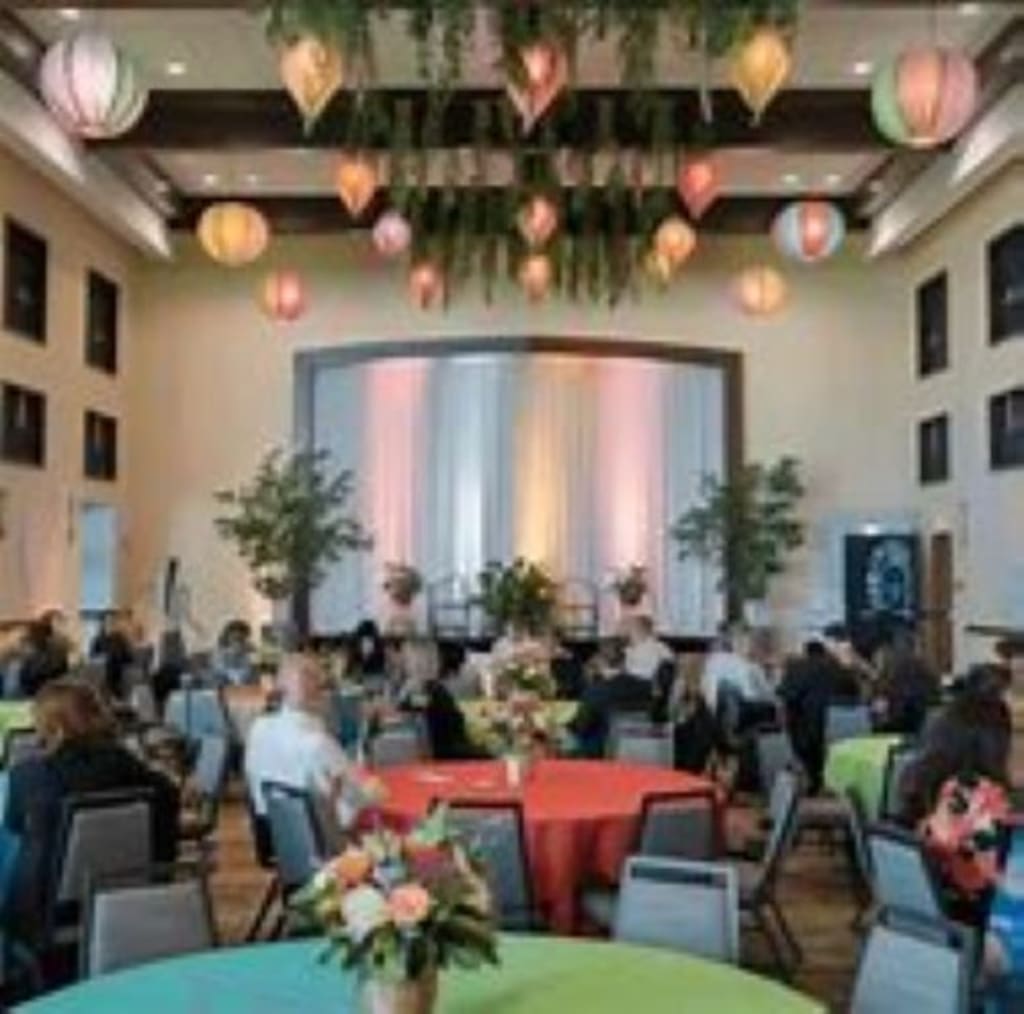
An event schedule is a detailed timeline that outlines the sequence of activities, speakers, performances, or other elements that will occur during an event. It serves as a roadmap, guiding both organizers and attendees through the planned events, ensuring that everything runs smoothly and on time. Whether it's for a corporate conference, a wedding, a music festival, or a simple birthday party, an event schedule plays a crucial role in helping people know what to expect and when.
In this article, we will delve into the significance of event schedules, the components involved, best practices for creating one, and examples of event schedules for various types of occasions.
Why is an Event Schedule Important?
An event schedule is vital for several reasons:
1.Time Management: An event schedule helps keep everything on track. It ensures that the event starts and ends on time, and that each activity has sufficient time for preparation, execution, and transition. This is particularly crucial for large-scale events where multiple activities occur simultaneously or in close succession.
2.Coordination: It ensures all team members, vendors, and participants are on the same page. For example, if you're organizing a wedding, having an event schedule allows the photographer, caterer, and entertainment team to know when they need to be at the venue and what their specific responsibilities are.
3.Attendee Experience: A well-crafted schedule ensures that attendees can enjoy a seamless experience. For example, if it’s a conference, attendees can know when and where the keynote speaker will be, or if it’s a festival, they’ll be able to find out when their favorite band is performing.
4.Anticipation: Event schedules generate excitement. By providing an overview of what’s to come, attendees can get excited about upcoming activities, speakers, or performances. This also allows them to plan their participation effectively.
5.Minimizing Stress: With a clear schedule in place, the likelihood of last-minute confusion or issues diminishes. This helps event planners focus on addressing any unforeseen challenges without losing sight of the overall flow of the event.
Components of an Event Schedule
A comprehensive event schedule typically contains the following components:
1. Event Title and Description
Every event schedule starts with the event’s title and a brief description. This provides context for what the event is about, whether it’s a conference, wedding, concert, trade show, or private gathering. The description gives attendees a sense of the event's purpose and focus.
2. Date(s) and Time(s)
The date and time of the event are crucial elements of any schedule. It should specify the start and end times of the event, as well as any breaks, sessions, or intermissions. It’s also important to clarify time zones if the event is virtual or spans multiple locations.
3. Location(s)
An event schedule also provides details on the venue(s) for each segment of the event. This might include specific rooms, halls, or areas where different activities will take place. For virtual events, location details might include links to webinars, breakout sessions, or conference rooms on platforms like Zoom or Microsoft Teams.
4. Session Details
This is a critical part of the schedule, especially for conferences, seminars, or conventions. Each session might include the following:
Title of the session – A clear and engaging title that describes what will be discussed or presented.
Speaker/Facilitator – The name and bio of the individual leading the session.
Session Format – Whether the session is a keynote, panel discussion, workshop, or Q&A.
Description – A brief overview of what the session will cover.
Duration – The amount of time allocated to each session or activity.
5. Breaks and Meals
Events often include breaks for attendees to refresh themselves. A good event schedule includes details of when breaks or meals will be served. For example, during conferences, there may be a morning coffee break, lunch hour, and afternoon tea. Clear communication of these times helps attendees plan accordingly.
6. Entertainment or Special Activities
For events like festivals, trade shows, or weddings, entertainment or special activities are key components of the event. These could include live music performances, games, giveaways, or special guest appearances. The schedule should specify when these activities will take place and where they will occur.
7. Logistics and Setup Times
Before the event officially begins, time needs to be allocated for the setup of equipment, stages, or booths. The event schedule should allocate specific times for organizers and vendors to prepare the venue before attendees arrive.
8. Post-Event Networking or Closure
Many events offer networking opportunities or an informal gathering after the main sessions or activities are completed. For example, a conference might include a cocktail hour after the final presentation, giving attendees a chance to mingle and exchange ideas. The schedule should provide information about these activities.
Best Practices for Creating an Event Schedule
Creating a solid event schedule is essential to the success of any event. Here are some best practices to follow when creating an event schedule:
1. Keep It Simple and Clear
A schedule should be easy to read and follow. Avoid overwhelming your attendees with too much information or overly complex formatting. The more straightforward and simple it is, the better. Use bullet points, headings, and clear timelines.
2. Be Realistic with Time
It’s crucial to allocate enough time for each session or activity. While it’s important to stay on schedule, it’s equally essential to leave some buffer time between activities for transitions. This is especially true for events with a lot of speakers, performances, or moving parts.
3. Consider Audience Needs
Tailor the schedule to your specific audience. For example, for a corporate event, attendees might appreciate shorter sessions with more breaks, while for a festival, people may want longer activities with more downtime between them. Make sure the schedule aligns with the expectations of your target group.
4. Include Contact Information
For larger events, provide contact details for event organizers, coordinators, or help desks in case attendees need assistance. This is especially helpful if the event is held at a large venue or involves multiple locations.
5. Provide Flexibility for Unexpected Changes
Even with a well-planned schedule, things may not always go according to plan. Having a little flexibility built into the schedule can help minimize disruption in case of delays or last-minute changes. For example, allow extra time for speakers who might go over their allotted time or unexpected technical issues.
6. Distribute the Schedule in Advance
Attendees should receive the event schedule ahead of time, allowing them to plan their participation. Many events distribute schedules through email, mobile apps, or physical programs upon arrival. If the event is virtual, share the schedule via the event platform or a dedicated website.
7. Update in Real-Time
If there are any changes during the event, it’s crucial to update the schedule in real time. Use digital tools or apps that allow for quick updates to the schedule, and ensure that the new information is communicated to attendees promptly.
Examples of Event Schedules
Let’s look at two examples of event schedules to better understand how they are structured.
Example 1: Corporate Conference Schedule
Event: Digital Marketing Conference 2024
Date: June 10, 2024
Location: Grand Ballroom, Hotel XYZ
Time Activity Location Speaker/Facilitator
8:00 AM Registration & Breakfast Foyer & Dining Room N/A
9:00 AM Opening Keynote: The Future of Marketing Main Hall Sarah Jameson, CEO of XYZ Corp
10:00 AM Panel Discussion: Social Media Strategies Main Hall John Doe, Jane Smith, Etc.
11:00 AM Networking Break Foyer N/A
11:30 AM Workshop: SEO for Beginners Conference Room A Michael Brown, SEO Expert
12:30 PM Lunch Dining Room N/A
1:30 PM Breakout Sessions: Data Analytics Conference Room B Sarah Lee, Marketing Director
3:00 PM Closing Remarks & Q&A Main Hall Mark Lee, Event Coordinator
4:00 PM Networking & Happy Hour Bar Area N/A
Example 2: Wedding Schedule
Event: John and Sarah’s Wedding
Date: July 14, 2024
Location: Sunset Garden
Time Activity Location
3:00 PM Guests Arrive & Welcome Drinks Main Hall
4:00 PM Ceremony Begins Outdoor Garden
4:30 PM Cocktail Hour Patio
5:30 PM Dinner Served Reception Hall
7:00 PM First Dance & Dancing Begins Dance Floor
8:00 PM Cake Cutting & Toasts Reception Hall
10:00 PM Late Night Snacks & Entertainment Lounge Area
Conclusion
An event schedule is not just a list of times and activities; it’s the framework for the entire event. By creating a well-structured event schedule, organizers can ensure that everything runs smoothly, attendees have a great experience, and unexpected issues are minimized 4o mini
About the Creator
Keep reading
More stories from jennifer caston and writers in Journal and other communities.
How Myotherapy Can Help You with Different Conditions
Myotherapy is a physical therapy approach that focuses on assessing, treating, and managing musculoskeletal pain and associated conditions. It combines a variety of techniques, including manual therapy, trigger point therapy, and corrective exercises, to alleviate pain, restore mobility, and improve overall well-being. If you experience muscular discomfort or pain, myotherapy may be an effective solution. This article explores various conditions that myotherapy can help with and how the treatment benefits different aspects of health.
By jennifer castonabout a year ago in Journal
Author’s Advice
If you would’ve asked me 20 years ago did I know I’d become a writer and an author, I would’ve said “nope, ain’t happening”. As fate would have it I did become an author and I can honestly say I’m loving it so far. It really does feel good to be a writer. I’ve learned a lot on this journey and I feel like with even me being as new to this world as I am, there’s some wisdom I need to share with every other aspiring author.
By Joe Patterson4 days ago in Journal
The Hyaluronic Acid Market Is Quietly Changing the Way We Think About Skincare
There is a moment most of us know well. Standing in the skincare aisle, bottle in hand, squinting at the ingredient list. Somewhere near the top, almost always, you will find it: hyaluronic acid.
By Harvey Specter3 days ago in Journal




Comments
There are no comments for this story
Be the first to respond and start the conversation.