
What is a Sleep Doctor and When Should You See One?
manvir Bhatia

Have you ever found yourself tossing and turning in bed, unable to fall asleep no matter what you do? Or maybe you wake up feeling tired even after a full night’s rest. These issues can be more than just annoying—they might signal an underlying sleep disorder. That’s where a sleep doctor comes in.
Who is a Sleep Doctor?
A sleep doctor, also known as a sleep specialist, is a medical professional trained to diagnose and treat sleep-related problems. They can be doctors from various fields, such as pulmonology, neurology, psychiatry, or internal medicine, who have additional training in sleep medicine. Their expertise covers a wide range of sleep disorders, including:
- Insomnia
- Sleep apnea
- Restless legs syndrome (RLS)
- Narcolepsy
- Circadian rhythm disorders
These specialists use their knowledge and advanced tools like sleep studies to identify what’s keeping you from getting quality sleep.
What Does a Sleep Doctor Do?
When you visit a sleep doctor, their primary goal is to improve your sleep quality and overall health. Here’s how they typically work:
Evaluation: The doctor will ask about your sleep patterns, habits, and medical history. They may also ask questions about your lifestyle, diet, and stress levels.
Diagnosis: To pinpoint the problem, they may recommend a sleep study. This could be conducted in a sleep clinic or through a home-based test. These studies measure your breathing, brain activity, heart rate, and oxygen levels while you sleep.
Treatment: Based on the diagnosis, the sleep doctor creates a treatment plan tailored to your needs. This could include:
Lifestyle changes like improving sleep hygiene
- Medications
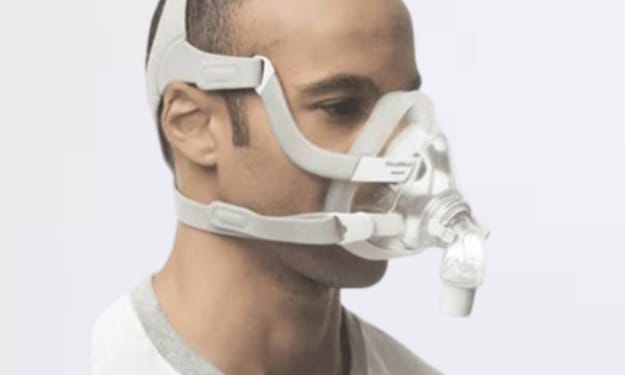
- Devices like a CPAP machine for sleep apnea
- Cognitive-behavioral therapy for insomnia (CBT-I)
- When Should You See a Sleep Doctor?
Not every bad night of sleep requires a trip to a specialist. However, there are specific signs and situations where consulting a sleep doctor becomes essential. Here are some key moments when you should consider making an appointment:
Persistent Insomnia: If you’ve been struggling to fall or stay asleep for more than a few weeks, a sleep doctor can help identify the cause and offer solutions.
Loud Snoring or Gasping: Snoring, especially if it’s loud and followed by gasping or choking sounds, could be a sign of sleep apnea. This condition requires professional attention as it can affect your heart health.
Daytime Fatigue: If you’re constantly tired during the day, even after getting enough sleep at night, it could be due to an undiagnosed sleep disorder like narcolepsy or sleep apnea.
Restless Legs or Strange Movements: Uncomfortable sensations in your legs that disrupt your sleep might indicate restless legs syndrome (RLS). A sleep doctor can help manage this condition.
Shift Work or Travel Issues: If your job or frequent travel is throwing off your body clock, a sleep doctor can guide you on managing circadian rhythm disorders.
Sleepwalking or Night Terrors: If you or a loved one experiences unusual behaviors during sleep, it might be time to seek expert advice.
Why is Seeing a Sleep Doctor Important?
Ignoring sleep problems doesn’t just make you tired; it can lead to serious health issues like high blood pressure, heart disease, obesity, and mental health problems. Sleep is a fundamental part of overall well-being, and a sleep doctor can help ensure you get the rest your body and mind need.
What to Expect at Your First Appointment
Your first visit to a sleep doctor might feel a little overwhelming, but it’s quite straightforward. Here’s what usually happens:
Discussion: You’ll talk about your sleep issues and how they’re affecting your daily life.
Physical Examination: The doctor might check for physical issues like enlarged tonsils or a deviated nasal septum that could interfere with breathing.
Sleep Diary: You may be asked to keep a sleep diary for a week or two to track your patterns.
Next Steps: Depending on your symptoms, the doctor might schedule a sleep study or suggest initial treatments.
Tips for Better Sleep While You Wait
If you’re waiting for your appointment or want to improve your sleep habits, try these simple tips:
- Stick to a regular sleep schedule—go to bed and wake up at the same time every day.
- Create a calming bedtime routine, such as reading or meditating.
- Avoid caffeine and heavy meals close to bedtime.
- Make your bedroom a sleep-friendly environment: dark, quiet, and cool.
Final Thoughts
Sleep is not a luxury; it’s a necessity. If you’re struggling with sleep issues, don’t hesitate to seek help. A sleep doctor can provide the guidance and treatment you need to reclaim restful nights and energized days. Remember, better sleep leads to a healthier, happier life.
About the Creator
Keep reading
More stories from Dr manvir bhatia and writers in Journal and other communities.
Best Gadgets in India to Solve Sleep Apnea Problem at home
In India, a variety of sleep gadgets are available to treat sleep apnoea at home. These devices generally include CPAP (Continuous Positive Airway Pressure) and BiPAP (Bilevel Positive Airway Pressure) machines, as well as additional accessories used to treat obstructive sleep apnoea (OSA). Here are a few typically available devices:
By Dr manvir bhatiaabout a year ago in Journal



Comments
There are no comments for this story
Be the first to respond and start the conversation.