
What Happens If You Don’t Floss?
The Hidden Dangers of Skipping Flossing
Brushing your teeth is essential, but did you know that skipping flossing could be harming your oral health? Many people underestimate the power of flossing, thinking that brushing alone is enough. However, the truth is that flossing plays a crucial role in preventing cavities, gum disease, and bad breath. According to the American Dental Association (ADA), only 16% of Americans floss daily, while a staggering 20% never floss at all (Source: ADA). If you’re among those who skip flossing, you might want to rethink your routine. In this blog, we’ll explore the consequences of not flossing and why your dentist—including the experts at Justin Dentist—recommends making it a daily habit.
Why Flossing Matters
Flossing helps remove food particles and plaque from between teeth—areas your toothbrush simply can’t reach. Plaque buildup leads to a host of oral health problems, and without flossing, bacteria thrive in the tight spaces between your teeth, setting the stage for cavities and gum disease.
The Dangers of Skipping Flossing
1. Increased Risk of Cavities
When you skip flossing, plaque builds up between your teeth, creating the perfect environment for decay. Over time, bacteria feed on leftover food particles, producing acids that erode tooth enamel. This can lead to cavities, which may require fillings, root canals, or even extractions. According to the CDC, over 90% of adults in the U.S. have had at least one cavity (Source: CDC). Regular flossing helps prevent these cavities and keeps your teeth strong and healthy.
2. Gum Disease (Gingivitis & Periodontitis)
One of the most serious consequences of neglecting flossing is gum disease. When plaque hardens into tartar, it irritates the gums, leading to gingivitis—characterized by redness, swelling, and bleeding gums. If left untreated, gingivitis can progress to periodontitis, a severe gum infection that can result in tooth loss. The CDC reports that nearly 47% of adults over 30 suffer from some form of gum disease (Source: CDC). Visiting your dentist regularly and flossing daily can significantly reduce this risk.
3. Persistent Bad Breath (Halitosis)
Bad breath isn’t just embarrassing—it’s also a sign of poor oral hygiene. When food particles get stuck between teeth and aren’t removed by flossing, they start to decay, leading to an unpleasant odor. Bacteria in plaque also produce foul-smelling sulfur compounds. No amount of brushing or mouthwash can fully eliminate this problem if you don’t floss. The only way to keep your breath fresh and clean is by maintaining a complete oral hygiene routine, including daily flossing.
4. Increased Risk of Heart Disease & Other Health Issues
Oral health is closely linked to overall health. Research has found that gum disease is associated with an increased risk of heart disease, diabetes, and even Alzheimer’s disease. Inflammation caused by gum disease can contribute to clogged arteries and other cardiovascular issues. According to the American Heart Association, individuals with gum disease have a 49% higher risk of heart problems (Source: AHA). Flossing is a simple yet powerful way to help protect not only your teeth but also your overall health.
How to Floss Properly
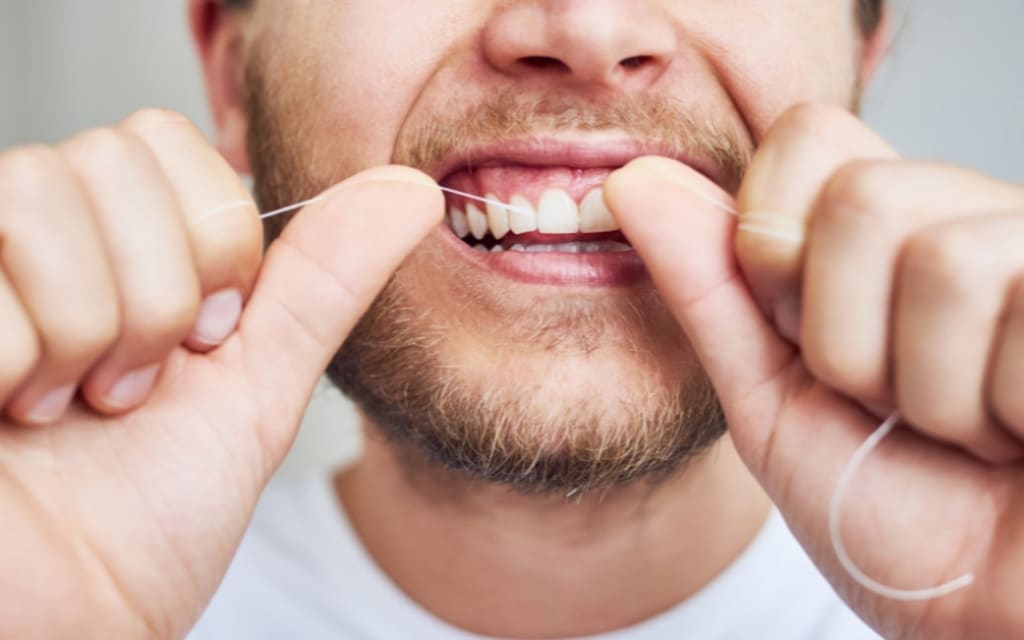
Now that we know why flossing is important, let’s ensure you’re doing it correctly. Here’s a step-by-step guide:
Use about 18 inches of floss. Wrap it around your fingers, leaving a few inches to work with.
Gently slide the floss between your teeth. Avoid snapping it into your gums, as this can cause irritation.
Curve the floss around each tooth. Move it up and down to remove plaque and debris.
Use a clean section of floss for each tooth. This prevents bacteria transfer.
Floss daily! Making flossing a habit is key to maintaining a healthy smile.
Skipping flossing might not seem like a big deal, but the long-term effects can be severe. From cavities and gum disease to bad breath and increased health risks, neglecting this simple habit can have significant consequences. The good news? It’s never too late to start! Flossing daily and visiting your dentist at Justin Dentist for regular check-ups can help keep your teeth and gums in top shape. Ready to prioritize your oral health? Book an appointment today and take the first step toward a healthier smile!
About the Creator
Justin Dental and Braces
Justin Dental and Braces provides comprehensive dental care for all ages, offering general dentistry, orthodontics, and cosmetic treatments with personalized attention for every family member.
Phone: (940) 242-2022
Keep reading
More stories from Justin Dental and Braces and writers in Journal and other communities.
The Hidden Risks of Ignoring Your Dental Care
Many people underestimate the significance of proper dental care, often skipping routine checkups or neglecting daily oral hygiene. However, poor oral health goes beyond cavities and bad breath—it can lead to severe complications, including gum disease, tooth loss, and even systemic conditions like heart disease. Here, we’ll explore the consequences of neglecting dental care and why scheduling regular visits with a dentist near you should be a top priority.
By Justin Dental and Braces11 months ago in Journal
~ Fired ~
— Ai Intrusion ~ Are you Next ~ Is Ai Evolution after your job? — Few workplaces haven't been affected. Ai is in supermarkets, at doctors' offices, and even monitoring farms. I just can't think of anything this machine is not getting into, can you? For instance: Education ~ Law and Tech jobs will one day have a major influence or be taken over by these inanimate machines, with accuracy and vigor. From mechanics' diagnoses to a wide variety of everyday jobs, including fast food workers, with this input having the ability to cut their unnecessary work hours. I'm certain all of us have been touched by this with our short stories and colorful headings, have you? Even comments are very questionable 'Non-Robot' insertions.
By Jay Kantor4 days ago in Journal
Moscow Records Heaviest Snowfall in Over 200 Years, Meteorologists Say
Moscow has experienced its heaviest snowfall in over two centuries, according to meteorologists, creating widespread disruption across the Russian capital. The historic snowfall has blanketed the city in several feet of snow, paralyzing traffic, grounding flights, and prompting authorities to implement emergency measures to protect residents and maintain essential services.
By Aarif Lashari5 days ago in Journal
The Devil's Triangle
The sails ruffled in the breeze as we cruised along. The Sea Breeze was a mid-size catamaran that sailed out of Royal Naval Dockyard in Bermuda. We had booked this trip weeks in advance and were now looking at our Captain, Spike and two boat hands. Paddy and Wilson seemed like nice guys, joking around with the passengers and telling us some stories about Bermuda that only locals would know. Their island accents sounded almost British but they were pleasant to listen to.
By Barbara Gode Wilesa day ago in Fiction



Comments
There are no comments for this story
Be the first to respond and start the conversation.