
What are the challenges employers facing while conduct drug testing their employees?
Navigating the Obstacles: Challenges in Employee Drug Testing for Employers


Employee drug testing is a critical aspect of maintaining a safe and productive workplace. However, employers often encounter various challenges when implementing drug testing programs.
This article explores the common obstacles faced by employers and provide insights on how to overcome them effectively.
1. Privacy Concerns: Respecting Personal Privacy
Privacy concerns are a significant challenge when conducting employee drug testing. Employees may perceive it as an intrusion into their personal lives. To address this challenge, employers should prioritize privacy and develop policies that respect employees' rights while ensuring a safe working environment. Clear communication about the purpose and benefits of drug testing can help alleviate privacy concerns and foster a sense of trust.
2. Legal Considerations: Navigating Laws and Regulations
Employers must navigate a complex web of laws and regulations when implementing drug testing programs. These regulations can vary depending on the jurisdiction and may have specific requirements for testing procedures. To ensure compliance, employers should stay updated on the legal framework, consult legal experts if necessary, and develop comprehensive policies that align with the applicable laws.
3. Testing Methods and Accuracy: Choosing the Right Approach
Selecting appropriate drug testing methods and ensuring their accuracy is crucial for reliable results. Different testing methods vary in their reliability, and false positives or false negatives can occur. Employers must carefully evaluate the available testing methods, considering factors such as the substance being tested, testing timeframes, and accuracy rates. By choosing the most suitable method, employers can minimize errors and enhance the credibility of their drug testing programs.
4. Cost Implications: Allocating Resources Effectively
Implementing drug testing programs can impose financial burdens on employers, particularly for organizations with a large workforce. The costs include purchasing drug testing kits, conducting the tests, and analyzing the samples. To manage cost implications, employers should conduct a thorough cost-benefit analysis, explore cost-effective options without compromising accuracy, and allocate sufficient resources accordingly. Collaboration with reputable testing providers can also help streamline the process and reduce expenses.
5. Frequency of Testing: Striking a Balance
Determining the frequency of drug tests can be a challenge for employers. Some opt for pre-employment testing only, while others conduct random or periodic testing. The frequency of testing should consider factors such as the nature of the job, industry regulations, and the organization's policies. Striking a balance between maintaining a safe and drug-free workplace and avoiding excessive testing is crucial. Regular communication with employees about the testing schedule can help manage expectations and minimize disruption.
6. Employee Morale and Trust: Building Positive Relations
Introducing drug testing programs can sometimes lead to a decline in employee morale or a breakdown of trust. Employees may interpret it as a lack of trust or an invasion of their personal lives. Employers should proactively address these concerns by communicating openly with employees about the reasons for implementing drug testing and the potential benefits to individual and collective safety. Providing channels for feedback and ensuring confidentiality can also foster a culture of trust and cooperation.
7. Prescription Medication Issues: Handling Legitimate Use
Drug testing may produce positive results for prescription medications legitimately used by employees. To handle these situations, employers must have a clear policy in place. It should outline the steps to be taken when an employee tests positive for prescribed medications. Providing employees with an opportunity to explain their use of prescription drugs can prevent unjust repercussions and ensure fairness.
To summarize, successful drug testing programs require employers to:
1. Prioritize privacy and communicate openly: Respecting employees' personal privacy concerns and maintaining transparent communication about the purpose and benefits of drug testing is essential.
2. Stay informed about legal requirements: Employers must stay updated on the laws and regulations related to drug testing in their jurisdiction and ensure compliance in all aspects of the testing process.
3. Choose reliable testing methods: Carefully evaluate available testing methods, considering factors such as accuracy rates, substance being tested, and testing timeframes, to select the most suitable approach.
4. Manage costs effectively: Conduct a thorough cost-benefit analysis, explore cost-effective options, and allocate resources appropriately to implement drug testing programs without undue financial burden.
5. Determine appropriate testing frequency: Consider job nature, industry regulations, and organizational policies to strike a balance between maintaining a safe workplace and avoiding excessive testing.
6. Build trust and maintain employee morale: Communicate openly with employees, address concerns, and emphasize the positive impact of drug testing on workplace safety and productivity.
7. Handle prescription medication issues with fairness: Have a clear policy in place to address positive results for prescribed medications and provide employees with an opportunity to explain their legitimate use.
By implementing these strategies, employers can navigate the challenges associated with employee drug testing successfully. A well-designed and executed drug testing program not only promotes a safe and drug-free workplace but also fosters trust, employee well-being, and organizational success.
Remember, an effective drug testing program goes beyond compliance with legal requirements. It is an opportunity to create a supportive work environment where employees feel valued, safe, and motivated to contribute their best.
Conclusion
Employee drug testing is essential for maintaining a safe and productive workplace. By addressing the challenges associated with drug testing, employers can implement effective programs that comply with legal requirements, respect employee privacy, and foster trust. Through careful planning, open communication, and the selection of reliable testing methods, employers can strike a balance between maintaining a drug-free workplace and preserving employee rights and privacy. It is crucial to view drug testing as a means to promote a safe and healthy work environment rather than an intrusive measure.
Employers should approach drug testing with a comprehensive strategy that includes careful planning, open communication, and ongoing evaluation. By considering the challenges discussed in this article, employers can overcome obstacles and create drug testing programs that are effective, fair, and respected by employees.
About the Creator
US Health Testing
US Health Testing is a leading lab-based online drug testing service provider for employers and individuals across the USA. FDA approved & SAMHSA certified labs nationwide available. Schedule your tests online www.ushealthtesting.com
Keep reading
More stories from US Health Testing and writers in Journal and other communities.
The Ultimate Guide to Drug Testing for Employers: Keeping Your Workplace Safe and Productive
Are you an employer who is concerned about the negative impact of drug use on your workplace? Do you want to ensure that your employees are safe and productive while on the job? Then it's time to consider drug testing as part of your employment policy.
By US Health Testing3 years ago in Journal
Global trade’s lifelines: 6 shipping lanes that keep the world economy moving
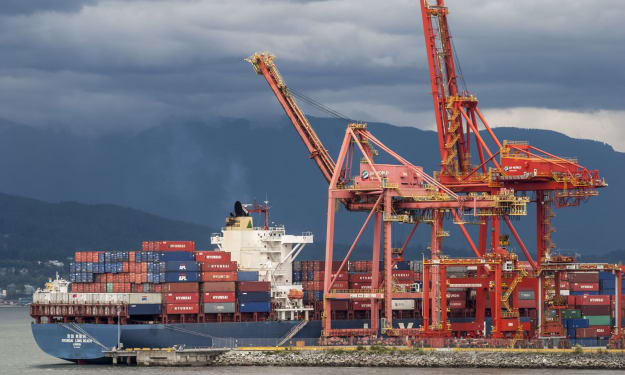
Maritime shipping lanes are the unsung lifelines of global trade. Roughly 90% of the world’s goods—from electronics and oil to food and raw materials—travel by sea, navigating a network of strategic shipping corridors that connect producers to consumers across continents. Disruptions along these routes can ripple across the global economy, impacting supply chains, energy prices, and trade flows. Here are six critical shipping lanes that underpin international commerce: 1. The Strait of Hormuz Located between Oman and Iran, the Strait of Hormuz is a narrow passage through which roughly 20% of the world’s oil supply passes. Tankers from Gulf nations rely on this corridor to transport crude to Europe, Asia, and the Americas. Heightened regional tensions can quickly drive up oil prices, as recent conflicts and military posturing have shown. 2. The Suez Canal The Suez Canal connects the Mediterranean Sea to the Red Sea, allowing ships to bypass the lengthy voyage around Africa’s Cape of Good Hope. The canal handles approximately 12% of global trade, making it one of the most strategically important maritime routes. The 2021 blockage by the container ship Ever Given demonstrated how a single incident can stall billions of dollars in goods. 3. The Strait of Malacca Between Malaysia and Indonesia, the Strait of Malacca serves as the main artery for ships traveling between the Indian Ocean and the Pacific. Around 25% of all traded goods pass through this narrow channel, including oil, electronics, and commodities. Its vulnerability to congestion or piracy has prompted constant monitoring and security initiatives. 4. The Panama Canal Connecting the Atlantic and Pacific Oceans, the Panama Canal facilitates the rapid movement of goods between Asia and the Americas. For decades, the canal has shortened transit times and reduced fuel costs for shipping companies. Recent expansions allow larger vessels to pass through, accommodating the growth of global containerized trade. 5. The English Channel One of the busiest shipping lanes in the world, the English Channel links the United Kingdom to continental Europe. Nearly 500 ships pass daily, carrying everything from raw materials to finished products. Its strategic position near Europe’s industrial and financial hubs makes it crucial for European commerce, especially during Brexit-related logistical shifts. 6. The Bab el-Mandeb Strait Connecting the Red Sea to the Gulf of Aden, the Bab el-Mandeb Strait sits between Djibouti and Yemen. About 4.8 million barrels of oil daily flow through this route, alongside other key commodities. Regional instability, piracy, and conflict in nearby areas have raised concerns over potential disruptions. Why These Routes Matter Global shipping lanes are not just pathways for goods—they are economic arteries that sustain industry, employment, and geopolitical influence. Even minor blockages can trigger cascading effects, delaying shipments, inflating prices, and disrupting production cycles. For instance, disruptions in the Suez Canal or Strait of Hormuz often lead to surging oil prices and logistical bottlenecks worldwide. Shipping companies, governments, and international organizations invest heavily in monitoring, securing, and maintaining these corridors. Advances in maritime technology, satellite navigation, and coordinated international patrols help mitigate risks such as piracy, geopolitical tensions, and accidents. Challenges Ahead Despite these safeguards, global shipping remains vulnerable. Rising geopolitical tensions, climate change, and evolving security threats could jeopardize these vital routes. Analysts warn that the reliance on a handful of narrow corridors makes the global economy susceptible to unforeseen shocks. Diversifying routes and improving maritime infrastructure are considered key strategies for resilience. The lifelines of global trade are more than just shipping lanes—they are critical components of the modern economy, linking markets, nations, and people. Protecting them ensures not only the smooth flow of goods but also global economic stability, energy security, and international cooperation. As trade volumes continue to grow and international tensions rise, these six corridors will remain under scrutiny, reminding the world just how interconnected and fragile the modern global supply chain truly is.
By Fiaz Ahmed 5 days ago in Journal
Complete Guide to Types Of Tank, Benefits, and Installation
Water tanks are essential for storing clean water for residential, commercial, agricultural, and industrial use. Whether for homes, buildings, farms, or factories, choosing the right water tank ensures a reliable water supply and long-term durability.
By Solution Boxes5 days ago in Journal
Top tipple tricks
Been thinking a lot about drinking, lately. Not least because of a recent episode of over-indulgence and the inevitable after effects. Some readers may recall the earlier articles I wrote about beating the booze. Here I set out an experiment in techniques for cutting down on my alcohol intake. The experiment was successful, the techniques worked, and I have armed myself with an arsenal of weapons in the war against the demon drink. I have yet to fire the first round however. It's all a question of timing (perhaps procrastination).
By Raymond G. Taylor3 days ago in Psyche



Comments
There are no comments for this story
Be the first to respond and start the conversation.