
What Are the Best Practices for Testing and Perfecting Recipes?
Best Practices for Testing and Perfecting Recipes

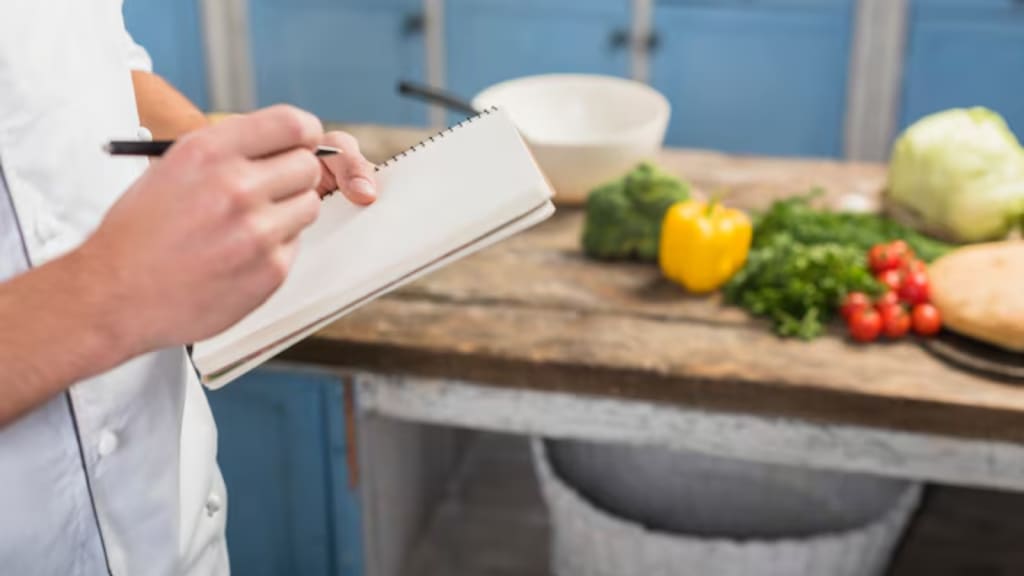
Creating recipes that delight customers or family members requires more than just mixing ingredients.
How do you ensure the taste is consistent every time? What techniques can help balance flavors, textures, and presentation?
These questions are central to the process of refining dishes. Engaging in food recipe development provides the strategies needed to test, tweak, and perfect recipes systematically. By experimenting thoughtfully and recording results, you can avoid common pitfalls like inconsistent taste or presentation issues.
Transitioning from a rough idea to a polished, repeatable recipe demands patience, careful observation, and the right approach.
Whether you’re crafting a menu for a restaurant, developing packaged products, or just improving home cooking, adopting structured practices ensures each recipe reaches its full potential.
Organize Your Testing Process
A structured approach helps streamline recipe refinement. Consider these practices:
- Set Clear Objectives: Define what you want to achieve with each recipe. Are you aiming for unique flavor, health-conscious ingredients, or a specific texture? Clear goals guide testing.
- Break Down the Steps: Divide recipes into components like sauce, main ingredient, seasoning, and garnish. This makes it easier to adjust one element without affecting others.
- Create Testing Rounds: Test your recipe multiple times, adjusting one variable at a time, such as cooking temperature or ingredient ratio.
Measure and Record Every Detail
Precision is crucial in perfecting recipes. Here’s how to stay accurate:
- Document Ingredients and Quantities: Even small changes can affect taste. Record exact measurements to maintain consistency.
- Track Cooking Times and Temperatures: Different equipment can produce varied results, so note oven temperatures, pan types, and cooking durations.
- Evaluate Sensory Feedback: Use taste, smell, and texture evaluations during testing. Take notes on what works and what needs improvement.
Focus on Flavor and Texture
Balancing flavor and texture is a major challenge in recipe development:
- Adjust Seasoning Gradually: Start with moderate seasoning and modify in small increments.
- Layer Flavors: Build depth by combining ingredients that complement each other, such as acids, salts, and herbs.
- Consider Texture Contrast: Include crunchy, creamy, or chewy elements to enhance overall eating experience.
Test for Consistency Across Batches
Even a perfect recipe can fail if it’s not repeatable:
- Repeat the Recipe Multiple Times: Ensure results are consistent each time you prepare the dish.
- Use Different Equipment: Testing with various ovens, stovetops, or mixers ensures the recipe works in diverse settings.
- Adjust for Scale: If you plan to serve many portions, test the recipe at larger quantities to maintain flavor and texture.
Solicit Feedback from Others
External input helps refine recipes effectively:
- Blind Tasting: Have tasters try the dish without prior knowledge, providing unbiased opinions.
- Structured Feedback Forms: Ask questions about taste, texture, aroma, and presentation for systematic insights.
- Iterate Based on Feedback: Use comments to make informed changes while keeping your core vision intact.
Refine Presentation and Plating
Appearance plays a crucial role in how recipes are perceived:
- Visual Appeal: Colors, shapes, and arrangement can influence taste perception.
- Consistent Plating Style: Standardizing presentation ensures that each serving looks as appealing as the first.
- Consider Serving Context: Think about whether the recipe will be plated for a restaurant, packaged for retail, or served at home.
Incorporate Efficiency and Sustainability
Modern recipe development also considers practicality:
- Optimize Ingredients: Reduce waste by selecting versatile ingredients that serve multiple components.
- Simplify Preparation Steps: Streamline processes without compromising quality to save time.
- Test Storage and Shelf Life: For commercial applications, ensure recipes maintain quality when refrigerated or frozen.
Wrapping Up
Perfecting a recipe is a blend of science, art, and persistence. Through systematic testing, detailed recording, and thoughtful feedback, you can refine flavors, textures, and presentation to consistently deliver exceptional dishes. Engaging in food recipe development allows you to approach this process methodically, ensuring your recipes are repeatable, appealing, and efficient.
By following structured practices, from organizing testing rounds to considering scalability and presentation, you maximize the chances of creating recipes that stand out. Whether for personal use or professional application, these strategies make the journey from concept to perfected dish more precise, enjoyable, and rewarding.
About the Creator
david0martinezdm
David Martinez is a dynamic voice in the business arena, bringing a wealth of expertise cultivated through years of hands-on experience. With a keen eye for emerging trends and a strategic mindset, David has consistently guided business.
Keep reading
More stories from david0martinezdm and writers in Journal and other communities.
How to Order Healthy Plants Online in Noida: A Complete Guide
Are you dreaming of adding some greenery to your home but dreading the trip to a physical nursery? Good news, plant lovers! Ordering plants online in Noida has never been easier. This guide will walk you through the process of buying healthy plants without stepping out of your home, all thanks to online plant nurseries like Urvann!
By david0martinezdm10 months ago in Journal
Tiles 101: A Practical Guide to Choosing the Right Tile for Your Space
Tile has remained one of the most versatile and reliable building materials used in homes and commercial spaces. From kitchens and bathrooms to entryways and patios, tiles offer a combination of durability, style, and easy maintenance that few flooring options can match. Understanding the different types of tile and how they perform in various environments can help homeowners and property managers make more informed decisions.
By Jillian Roweabout 13 hours ago in Journal
TUS NUA - ch 53
TUS NUA – ch 53 New Beginnings – Mia and Midnight (*)(*)(*) Finola knew Ali’s brother-in-law needed to put his mind at rest. She fed her arm through his and led him outside. “We’ll sit here. If you like, I can put a block around us so our conversation will be private.”
By Margaret Brennan3 days ago in Fiction




Comments
There are no comments for this story
Be the first to respond and start the conversation.