
What Are FGD Scrubbers and Why Are They Important?
A Comprehensive Guide to FGD Scrubber Systems: Reducing Industrial Emissions Effectively
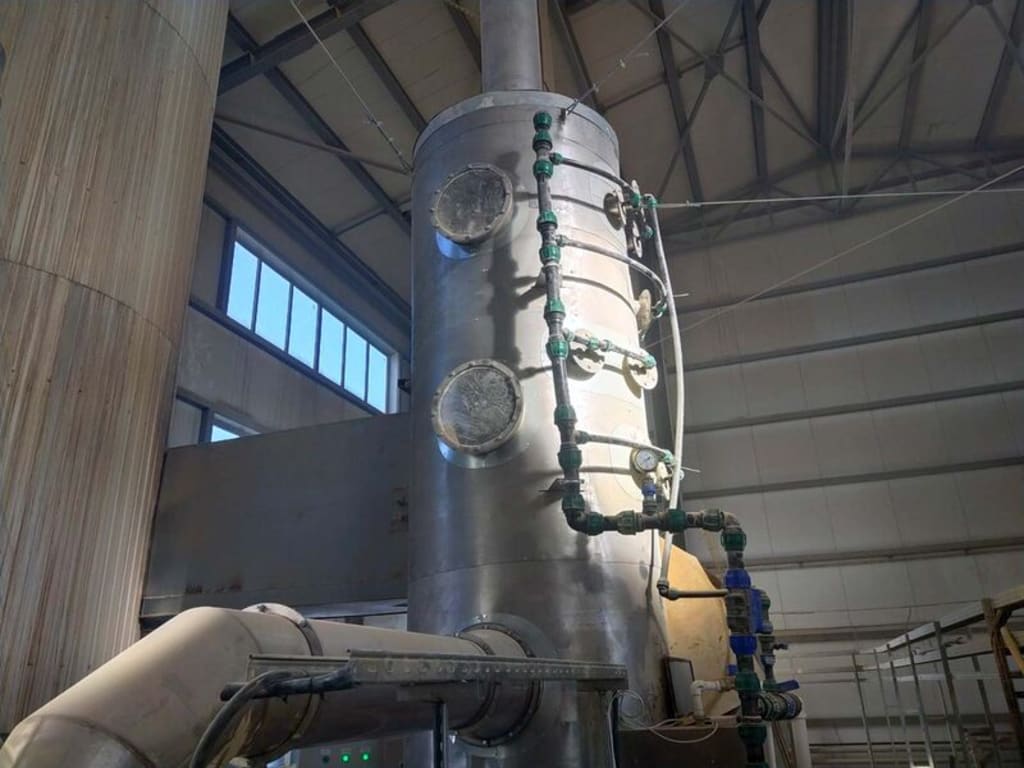
Flue gas desulfurization (FGD) scrubbers are systems that help clean the air by removing harmful gases, like sulfur dioxide (SO₂), from the emissions of factories and power plants. These gases come from burning fuels such as coal or oil. Without scrubbers, the SO₂ released can cause acid rain and health problems for people.
FGD scrubber is a vital part of industrial operations, especially for companies that need to follow strict environmental rules. They allow industries to keep running while reducing pollution and protecting the environment.
How Do FGD Scrubbers Work?
Imagine a giant cleaning system for air. When a factory produces smoke or flue gas, it goes into the scrubber. Inside, a special liquid or slurry (a mixture of water and chemicals) is sprayed over the gas. This liquid interacts with the harmful SO₂, turning it into a harmless material, such as gypsum—a substance that can even be reused for making construction materials like drywall.
At the end of the process, clean gas is released into the air, and the leftover materials are collected for disposal or reuse.
Wet vs. Dry Scrubbers
There are two main types of FGD scrubbers:
1. Wet Scrubbers:
These use a water-based solution to clean the flue gas. They are very effective at removing SO₂, often capturing over 95% of it. However, they require a lot of water and maintenance.
2. Dry Scrubbers:
These use powders or dry chemicals instead of liquids. They are easier to manage and use less water but may not clean the gas as thoroughly as wet scrubbers.
Why Do Industries Use FGD Scrubbers?
Industries use FGD scrubbers to meet environmental regulations and avoid fines. But beyond legal requirements, using scrubbers benefits everyone:
- Cleaner Air: Reducing harmful gases improves air quality and public health.
- Safer Environment: Prevents acid rain, which can damage buildings, plants, and water sources.
- Recycling Opportunities: Byproducts like gypsum can be reused, reducing waste.
What Are Some Challenges in Using FGD Scrubbers?
- Wastewater Issues: Wet scrubbers produce liquid waste, called blowdown, which contains impurities. This water needs to be treated before disposal.
- Scaling Problems: Over time, solid materials like gypsum can build up inside the scrubber, causing blockages. This is sometimes referred to as the "hard yellow rock" issue in scrubbers. Regular cleaning can solve this.
- Cost: Installing and running a scrubber system can be expensive. Industries need to balance these costs with the environmental benefits.
- Maintenance: Scrubbers are complex systems that need regular checks and repairs to keep working efficiently.
A Look at the Chemistry Behind FGD Scrubbers
The cleaning process inside a scrubber is based on simple chemical reactions. For example, when SO₂ gas meets a limestone slurry (calcium carbonate and water), the two react to form gypsum. This reaction removes the harmful gas and creates a useful byproduct.

Gypsum (CaSO₄·2H₂O) is often collected and used in construction.
How Are FGD Scrubbers Designed?
The design of an FGD scrubber depends on the needs of the factory or plant using it. Key factors include:
- Size of the Plant: Larger plants need bigger scrubbers.
- Type of Fuel Used: Coal and oil produce different amounts of SO₂.
- Water Availability: Wet scrubbers need more water, so areas with limited water supply may prefer dry systems.
- Byproduct Handling: Some industries reuse byproducts like gypsum, while others need systems to dispose of waste efficiently.
The Role of FGD Scrubbers in the Future
As industries and governments aim for cleaner energy and reduced pollution, FGD scrubbers will continue to play an important role. Advances in technology are making these systems more efficient and easier to maintain. Additionally, some plants are combining FGD systems with carbon capture technologies to reduce both SO₂ and CO₂ emissions, helping fight climate change.
Conclusion
FGD scrubbers are essential tools for reducing air pollution in industrial settings. They help protect the environment and human health by removing harmful gases from factory emissions. While challenges like cost and maintenance exist, the benefits of cleaner air, a safer environment, and reusable byproducts make them a critical part of modern industry.
By understanding how these systems work and why they matter, we can appreciate the effort industries make to balance productivity with environmental responsibility.
About the Creator
Keep reading
More stories from Susan Scava and writers in Journal and other communities.
Benefits of Installing an EV Charger at Home
As electric vehicles (EVs) gain popularity, many homeowners are considering the benefits of installing an EV charger at home. Having a personal charging station provides convenience, cost savings, and a variety of other advantages. Here are some key benefits of making the switch to home charging.
By Susan Scavaabout a year ago in Journal
Author’s Advice
If you would’ve asked me 20 years ago did I know I’d become a writer and an author, I would’ve said “nope, ain’t happening”. As fate would have it I did become an author and I can honestly say I’m loving it so far. It really does feel good to be a writer. I’ve learned a lot on this journey and I feel like with even me being as new to this world as I am, there’s some wisdom I need to share with every other aspiring author.
By Joe Patterson3 days ago in Journal
5 Methods to Make Money with Pinterest — Passive Income
If you search on YouTube or the internet, you will find how people use Pinterest and make thousands of bucks every month. You might be familiar with Pinterest, or you might use it to scroll down and get ideas. But Pinterest is much more than what you think.
By makelivingonlineabout 20 hours ago in Journal
A Transparent Look at Vocal Challenges and Top Stories
Almost three years ago, we shared a resource article that served as a place for people to suggest new challenge prompts. We thought it would be a good idea to refresh that thread, and take the opportunity to answer a few common questions about top stories, how challenges are judged and how submissions are reviewed.
By Vocal Curation Team3 days ago in Resources




Comments
There are no comments for this story
Be the first to respond and start the conversation.