
Wayfinding and Directional Signage in Riyadh: Guiding the Future of Urban Development
As Riyadh experiences rapid urban growth, the demand for effective, intuitive wayfinding and directional signage is more important than ever—shaping how people move through malls, airports, and public spaces with ease and confidence.
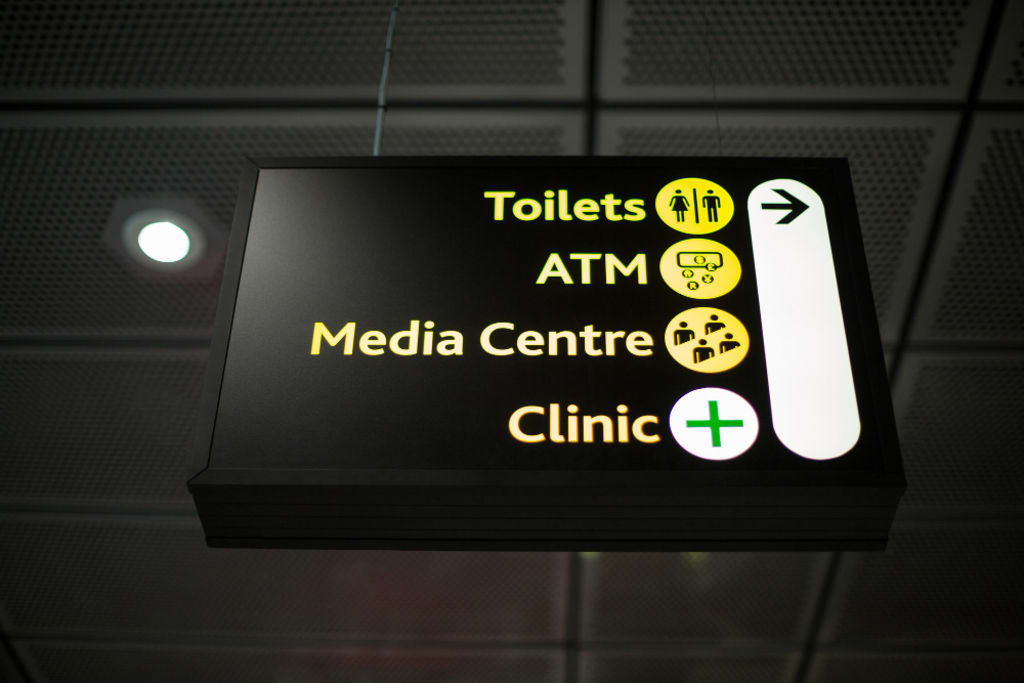
As urban development in Riyadh accelerates, effective wayfinding and directional signage are becoming essential elements in the city’s growth. Riyadh is a rapidly expanding metropolis, with new buildings, public spaces, malls, airports, and transportation hubs continuously reshaping the urban environment. With this growth comes the need for clear, intuitive systems that guide residents and visitors through these complex environments. Whether in bustling shopping malls or busy airports, wayfinding signage in Riyadh plays a crucial role in ensuring people move smoothly through the city without confusion.
The Importance of Wayfinding and Directional Signage in Urban Development
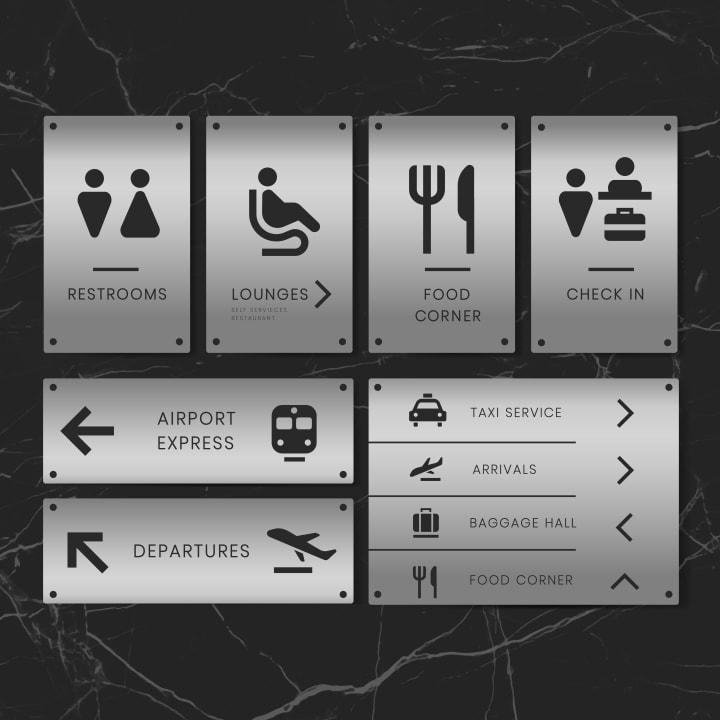
Urban development is more than just constructing buildings and infrastructure. A city’s layout must support the needs of its population, and one key aspect of that is how easily people can navigate the environment. Directional signage in Riyadh helps people find their way in large, complex spaces such as shopping malls, office buildings, public transportation stations, and airports.
As the city grows, so too does the need for effective systems that enhance the wayfinding experience. Poorly designed signage can lead to confusion, frustration, and inefficiency. On the other hand, well-placed, clearly marked signs can ensure that individuals know where they are, where they need to go, and how to get there. These signs should not just be functional but also be designed with consideration for the overall aesthetic and branding of the space they occupy.
The Role of Wayfinding Signage in Public Spaces
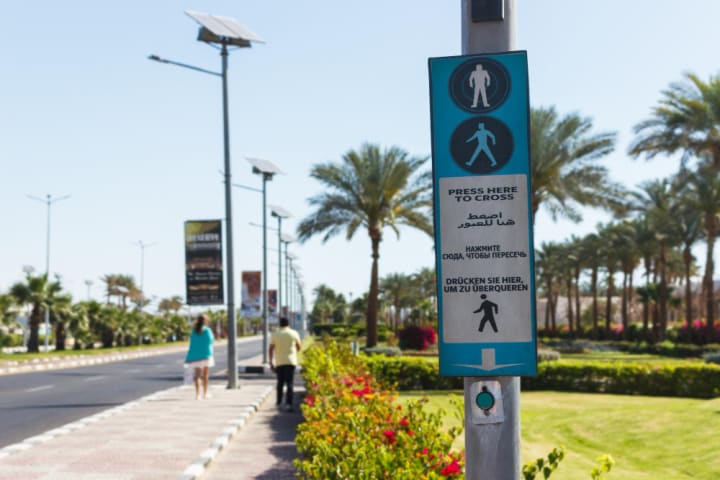
Wayfinding signage is more than just arrows pointing to destinations. It involves a holistic approach to guiding people through a variety of environments, from the moment they enter a space until they exit. In Riyadh, malls, airports, and other public spaces are increasingly sophisticated. With multiple levels, entrances, and amenities, these locations can be overwhelming, especially for those unfamiliar with the area.
Take Riyadh’s King Khalid International Airport, for example. With travelers from all over the world, it is vital that they can easily navigate the terminal and find their gates, baggage claim areas, and restrooms. This is where clear directional signage in Riyadh comes into play. The signs must be intuitive, multi-lingual (Arabic and English), and easily visible from a distance to avoid confusion and provide a smooth travel experience. Effective signage ensures that visitors spend less time searching for their destination and more time enjoying their experience.
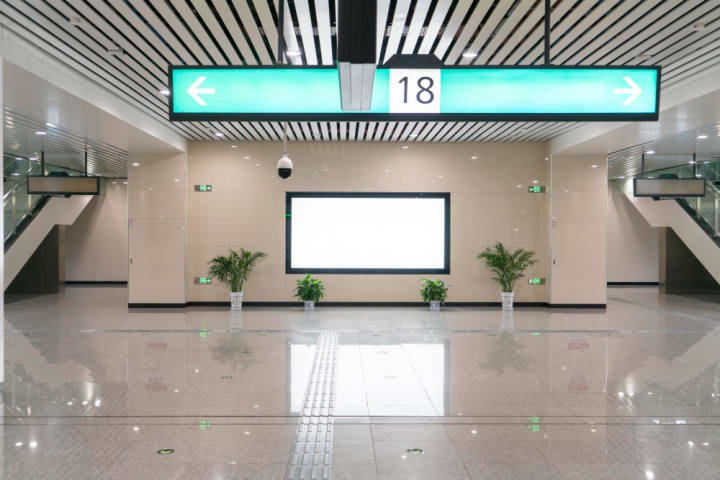
In malls, such as the Kingdom Centre or Al Nakheel Mall, wayfinding signage in Riyadh plays an equally important role. These massive spaces can be overwhelming, especially during peak hours. Signs that are strategically placed and designed with clarity and creativity help customers find stores, restrooms, elevators, and exits with ease. Interactive digital directories are becoming increasingly popular in these spaces, offering visitors a modern, user-friendly way to navigate the complex.
The Impact of Effective Wayfinding on Visitor Experience
Wayfinding and directional signage have a direct impact on the overall experience of a space. Whether it's a commercial, cultural, or civic space, the easier it is for visitors to navigate, the more positive their experience will be. In Riyadh, where new developments are continually emerging, investing in effective signage systems is crucial for enhancing the experience of both residents and tourists.
Moreover, signage plays an integral role in safety and accessibility. Clear signs that indicate exits, emergency services, and accessible routes for people with disabilities ensure that these spaces are welcoming and compliant with safety regulations. For instance, in large public areas like the Riyadh Metro, directional signage is essential for keeping crowds moving efficiently and safely, especially in high-traffic areas.
The Future of Wayfinding Signage in Riyadh
As the city of Riyadh continues to modernize, the role of wayfinding signage will only grow in importance. With new developments on the horizon, such as entertainment districts, luxury hotels, and massive shopping centers, the need for cutting-edge signage solutions that integrate with the environment and assist people in navigating the space effectively is more critical than ever.
The future of wayfinding signage in Riyadh will see more technological integration. Interactive screens, augmented reality features, and mobile apps will be able to provide dynamic, real-time navigation assistance, giving visitors a more personalized experience. This level of innovation will not only enhance the user experience but also drive forward Riyadh’s vision of becoming a modern, connected city.
Conclusion
As Riyadh continues to grow and evolve, the need for effective directional signage in Riyadh becomes increasingly essential. From malls and airports to public spaces and transportation hubs, clear and intuitive signage is key to ensuring smooth navigation for all. Whether for residents or visitors, effective wayfinding improves the overall experience, reduces stress, and enhances safety.
F15works is at the forefront of this movement, specializing in creating high-quality, custom wayfinding signage in Riyadh and directional signage in Riyadh. With a focus on design, usability, and innovation, F15works ensures that every signage project meets the specific needs of its environment. By combining aesthetic appeal with practical functionality, F15works is helping Riyadh’s urban spaces become more navigable, accessible, and user-friendly. When it comes to signage, F15works is a trusted partner in shaping the future of the city’s wayfinding experience.
About the Creator
Keep reading
More stories from writers in Journal and other communities.
Why Most Startups Struggle With Technical Decisions Early On
In the early stages, making startup technical decisions often feels like juggling flaming swords in the dark. The swords are frameworks, and architectural choices. The darkness is ambiguity about product-market fit and long-term strategy. What makes these decisions so painful isn’t always that they’re wrong, but that they’re made with incomplete context, without a clear owner of their consequences, and under intense pressure to deliver outcomes yesterday. As a result, issues tend to surface not during the decision itselfю They come out later, when releases drag, features break, or the product is inexplicably stuck in development. These experiences are part of the broader early-stage startup challenges that trap many teams before they even start gaining traction.
By Dariya Lopukhina2 days ago in Journal
Whiskey At Dusk
Guess the whiskey was more important to you in the end, wasn’t it? It was more than the well-being of your friends; more vital than showing up to the places you promised you would and could come to; more critical of a matter than fulfilling your damn responsibilities and getting the press off your back.
By Snarky Lisaabout 22 hours ago in Humans


Comments
There are no comments for this story
Be the first to respond and start the conversation.