
Watching ‘Rust’ After Tragedy: Art, Guilt, and the Shadow of a Life Lost
As Alec Baldwin’s controversial western hits screens, viewers are left to weigh cinematic curiosity against the cost of a preventable on-set death.

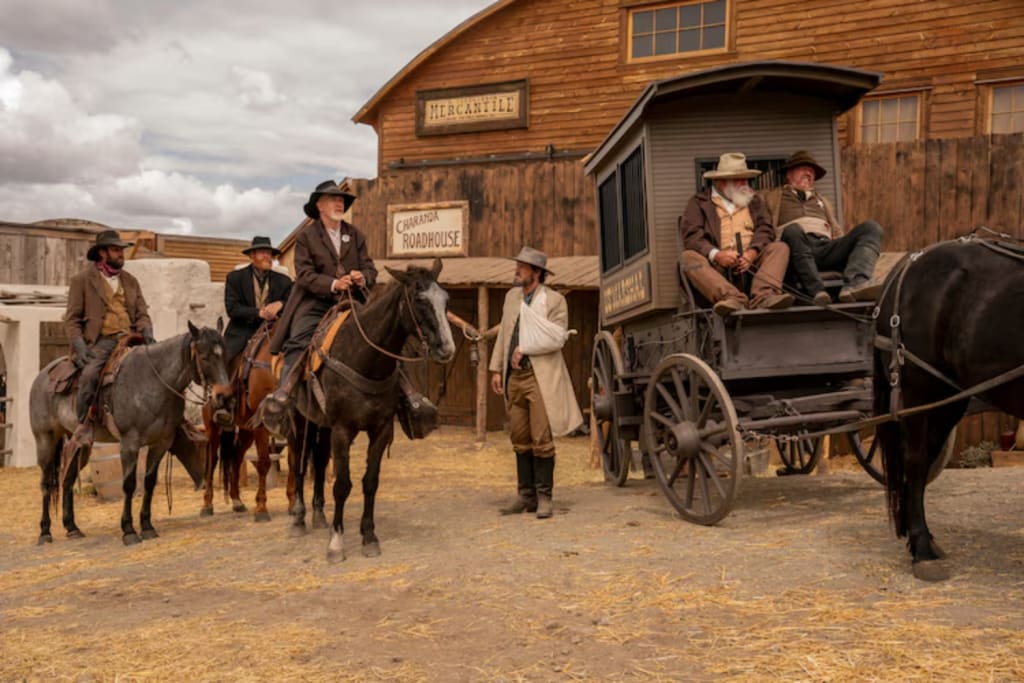
When Rust finally opened after its many-months-too-long delay, it didn't appear on the big screen as a mere western—it came wrapped in scandal, tragedy, and moral dilemma. The on-set accidental death of cinematographer Halyna Hutchins in 2021 made what would otherwise have been a budget indie genre film a national topic of conversation. Alec Baldwin, star and producer of the movie, had the gun that discharged on set in rehearsal, killing Hutchins and wounding director Joel Souza. Legal sparring, industry introspection, and emotional appeals have ensued. The movie is now out, and a haunting question persists: Should you feel guilty watching Rust?
The short answer is complicated. To address it, we have to consider Rust both as a film and as a cultural commodity that arose from tragedy.
The Film Itself
Rust is a quiet, somber western, centered on Harland Rust (Baldwin), a gangster-turned-outlaw who comes out of retirement to post bail for his teenage grandson when the kid gets sentenced to hang for an accidental killing. The film flaunts its inspirations—there are references to Unforgiven, 3:10 to Yuma, and even True Grit. But while those masterworks had big, booming endings, Rust remains quiet and melancholic all the way through, possibly because of the real-life tragedy hanging over the production.
Baldwin brings to the role a performance of weariness and introspection, a reflection of public perception he's maintained in the wake of the tragedy. His character is not one for the typical bravado of a western antihero, but rather one overwhelmed by regret and grasping for a thread of redemption. It's a proper fit, if unnerving.
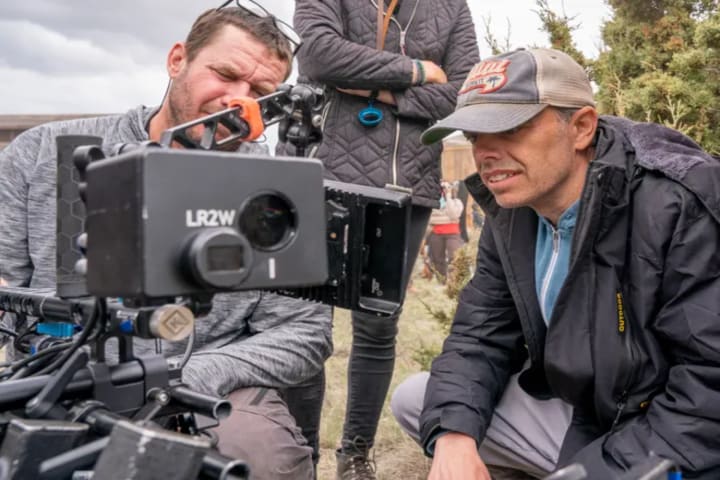
Director Joel Souza, injured in the same incident that took Hutchins' life, can make a visually accomplished film, if one marred by the death of its cinematographer. The visual storytelling, sometimes unsteady, occasionally presents flashes of Hutchins' hand—composition catching the sweeping blankness of the frontier, and fleeting moments of unexpected beauty. But it's difficult to gaze upon these photographs without wondering what might have been, had she lived to see the work done.
Art from Tragedy
It is not unheard of for tragedy to ensue after the creation of a movie. Brandon Lee's death on set during the filming of The Crow, Heath Ledger's death before the release of The Dark Knight, and Paul Walker's death on set during Furious 7 filming all raised similar questions. But Rust is different. This wasn't a meaningless tragedy that occurred off-stage—it was an on-the-job death during rehearsal, on a set where safety was already at issue. The gap between art and responsibility is smaller here.
Seeing Rust is rather like stepping into a crime scene that has been sanitized for public viewing. The movie never actually discusses the accident—it couldn't, since only after the legal storm had started to pass was filming resumed. But in each of the still moments, in each frame that holds a little too long on Baldwin's anguished face, one can't help but be aware of what occurred off-camera.
Should You Feel Guilty?
This is where it gets personal. Having seen Rust doesn't mean that you condone negligence or absolve those responsible. But it also doesn't mean that you are guilty. Halyna Hutchins' husband has publicly come out to state that he doesn't want her death to stop the film from being seen. Indeed, he was an executive producer on reshoots, in part to do her memory justice and ensure the film got completed with some dignity.
The majority of the cast, crew, and family members likely saw finishing Rust not as exploitation but as reclaiming the story. Allowing it to be lost would be allowing the tragedy to consume their work entirely.
All that aside, though, if you're one of those individuals who can't stand the idea of sitting down to watch Rust, that's fine. There is no moral obligation to go witness a movie that you don't feel comfortable watching. But if you do end up going to see it, it may be helpful to view it not only as entertainment, but as a chance to think—about the lives behind the camera, about the responsibility that is involved in making films, and about how the industry looks at safety and work.
Final Verdict
As a movie, Rust is uneven, occasionally poignant, and definitely burdened. As an experience, it's not distinguishable from its context. Whether you view it as a work of art tainted by tragedy or as an imperfect attempt at healing through storytelling, Rust demands more of you than most westerns do.
So, do you feel guilty watching Rust? No—but you should feel something.
Pleasse Buy Product :Click
About the Creator
MD NAZIM UDDIN
Writer on tech, culture, and life. Crafting stories that inspire, inform, and connect. Follow for thoughtful and creative content.
Keep reading
More stories from MD NAZIM UDDIN and writers in Journal and other communities.
Revisiting The Four Seasons: From Misogyny to Empowerment in Netflix’s Bold Remake
Alan Alda has been famous for decades as one of Hollywood's earliest male feminists. He campaigned for the Equal Rights Amendment, popped up on the iconic Free to Be. You and Me record, and used his fame to take a stand for women's rights during a time when many of his peers held their tongues. In 1981, Alda wrote, directed, and starred in The Four Seasons, a bittersweet comedy of midlife marital angst. While the film was popular when it was first released, a contemporary re-viewing has disturbing undertones that, upon reflection, appear radically misogynistic. The new Netflix remake this year, however, offers a significant re-consideration of the original piece, bringing much-needed feminist lenses to the story.
By MD NAZIM UDDIN 9 months ago in Journal
The goals I did not achieve
Every writing goal I made for the year is a wash. It has been this way for a while, but I think it's important to be open about my failures and the reality of how life can get in the way. This is especially true considering the several times I have posted on Vocal about my writing goals, how I was changing my approach, and where I was hoping to be for the upcoming year. I will probably do that again in a couple months, but for now, it is time to acknowledge where I am today.
By Kay Husnick24 days ago in Journal




Comments
There are no comments for this story
Be the first to respond and start the conversation.