
Washington and the West Face the Challenge of Putin’s Russia
Putin’s Russia

Washington and the West Face the Challenge of Putin’s Russia
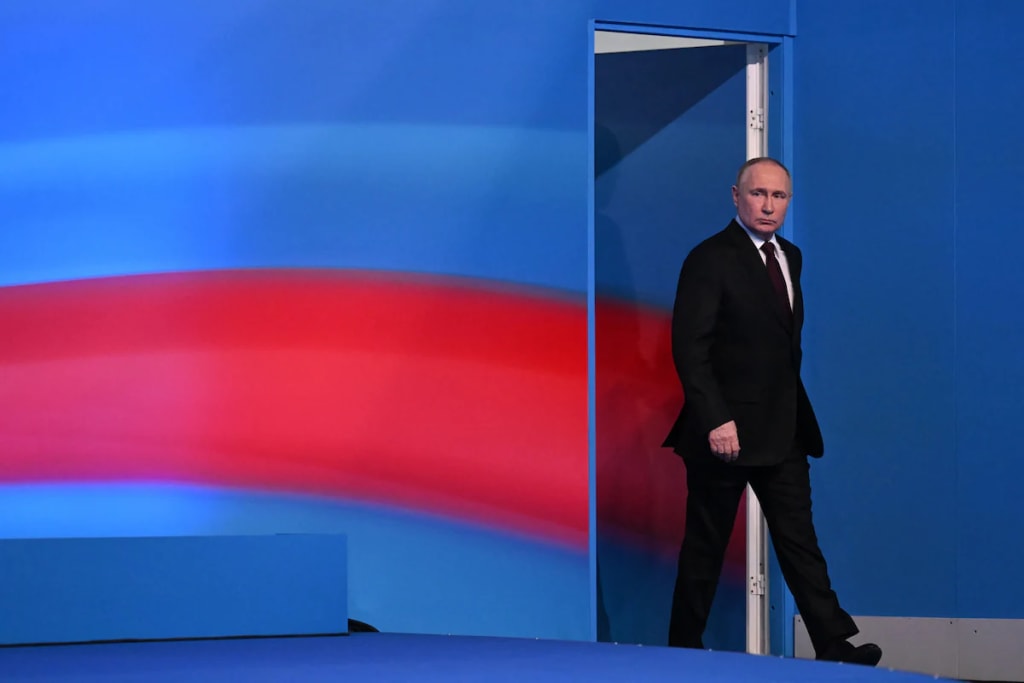
After welcoming Americans recently released from Russian prisons, President Joe Biden was asked if he had a message for Vladimir Putin. His response was a simple, yet loaded, “Stop.”
But what exactly should Putin stop? From jailing innocent foreigners and persecuting dissidents to invading Ukraine and challenging the global order, he shows little intention of changing course. This leaves Western leaders, including Biden and his eventual successor, grappling with how to respond.
On both sides of the Atlantic, there's a growing uncertainty about how to counter Putin’s aggressive actions without igniting a direct conflict with a leader who wields the world’s largest nuclear arsenal. This fear has reignited discussions around a Cold War-style approach—limiting interactions with Russia to essential matters while bolstering military support for Europe and Ukraine.
Fiona Hill, a senior fellow at the Brookings Institution and former adviser on Russia policy, observes that current U.S. strategy feels more like a reaction to events rather than a cohesive plan. “We haven’t had a holistic approach,” she notes, highlighting the need for a more unified strategy.
As Putin continues to strengthen a militarized Russian society—revamping education, monopolizing culture, reshaping social roles, and indoctrinating youth—he frequently boasts about potential victories in Ukraine as symbols of Russia's resurgence and America’s decline. Yet, despite providing arms and financial aid to Ukraine, Washington has yet to articulate a long-term strategy for addressing a resurgent Russia, which has frustrated over two decades of U.S. diplomatic efforts.
Many foreign policymakers, diplomats, and analysts warn that the West has repeatedly underestimated Putin and could misjudge him again, leading to overly cautious responses to his aggressive posturing. Some experts suggest that the West needs to prepare for the possibility of direct military confrontation. “The level of risk is extremely high,” warns former Polish president Aleksander Kwasniewski, who describes Putin's ambition to restore Russia as a great power. “We are closer to a war,” he cautions, acknowledging the increasing unpredictability of the global landscape.
Despite Western efforts to isolate him, Putin appears more entrenched at home. His most significant rival, Alexei Navalny, died in prison earlier this year, and any sign of dissent is swiftly silenced. The remnants of the Russian opposition have largely fled the country, and even setbacks on the battlefield, such as Ukraine's recent incursions, have failed to weaken his grip on power.
Some analysts argue that adopting a containment strategy could exacerbate global tensions. Leaders like Hungarian Prime Minister Viktor Orban advocate for recognizing Moscow's concerns over Ukraine’s security and call for an immediate ceasefire. Others suggest that the West should reconsider Ukraine's NATO aspirations and explore territorial compromises, even discussing potential sanctions relief for Russia.
However, those who previously favored engagement with the Kremlin now predict a prolonged period of hostility resembling a new Cold War. Samuel Charap, a senior political scientist, warns, “There are no good choices here—just degrees of bad.” He cautions against acquiescing to unacceptable Russian demands, advocating instead for a balanced approach of deterrence coupled with negotiation.
Putin’s strategy aims to undermine U.S. influence through various means, including military, economic, and psychological tactics, as detailed in a recent secret Russian foreign policy document. The ongoing conflict in Ukraine has clarified the threat posed by Russia, yet some leaders argue that many nations still don’t fully grasp the broader challenge to Western values of freedom and democracy.
Latvian President Edgars Rinkevics encapsulates this concern: “The biggest danger isn’t just military or economic. It’s the erosion of our core values, which those regimes skillfully exploit. Our strategy in this regard is not well developed or effective.”
As the West contemplates its next steps, the urgency for a coherent and strategic response to Putin's Russia has never been clearer.
About the Creator
Sunil Christian
find here all type of news
Keep reading
More stories from Sunil Christian and writers in Journal and other communities.
How Will a Fed Interest Rate Cut This Week Affect Your Finances?
How Will a Fed Interest Rate Cut This Week Affect Your Finances? If the Federal Reserve decides to cut interest rates this week, it’s unlikely to drastically change your financial situation, experts suggest.
By Sunil Christianabout a year ago in Journal
The goals I did not achieve
Every writing goal I made for the year is a wash. It has been this way for a while, but I think it's important to be open about my failures and the reality of how life can get in the way. This is especially true considering the several times I have posted on Vocal about my writing goals, how I was changing my approach, and where I was hoping to be for the upcoming year. I will probably do that again in a couple months, but for now, it is time to acknowledge where I am today.
By Kay Husnick23 days ago in Journal
The Councils of the Church and Why They Were Important
The Catholic Church has faced countless challenges since its founding, from doctrinal disputes to external persecution. One of the most important ways the Church has maintained unity, clarified its teachings, and preserved the faith is through ecumenical and local councils. Church councils are formal gatherings of bishops and Church leaders to deliberate on matters of doctrine, discipline, and practice. These gatherings have shaped Christianity as we know it today, ensuring that the Church remains faithful to the teachings of Christ and the apostles.
By Sound and Spirit5 days ago in Journal



Comments
There are no comments for this story
Be the first to respond and start the conversation.