
Voters, Trump and the Fed: The Three Forces Shaping the US Economy
How public sentiment, presidential policy and central bank decisions intertwine to define America’s economic trajectory
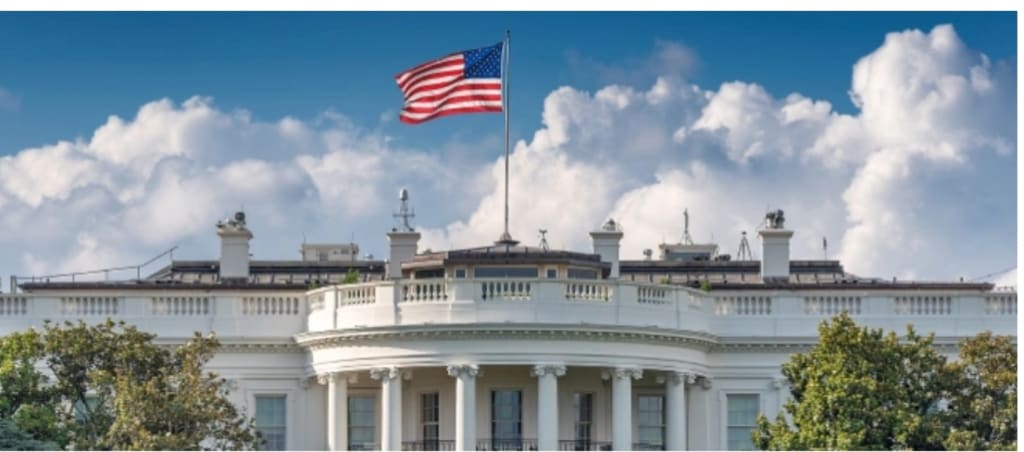
The U.S. economy—home to the world’s largest financial system—doesn’t move on numbers alone. It’s shaped by a powerful trio of influences: the preferences and perceptions of voters, the policy agenda of the White House under Donald Trump, and the monetary decisions of the Federal Reserve. Each force pulls in its own direction, with implications for inflation, interest rates, jobs and everyday financial life. Understanding how they interact is key to decoding what lies ahead for the economy in 2026 and beyond.
I. Voters: The Economic Barometer of Public Sentiment
At the heart of any democratic economy is the electorate. Voters don’t just cast ballots; they form expectations and shape political incentives that reverberate through policy decisions. Economic conditions are consistently among the top issues influencing voter behavior—and current sentiment is mixed.
According to recent research, inflation and the cost of living remain central concerns for many Americans. While broader measures of economic performance, like GDP growth, can show resilience, voters feel the pinch of higher prices on essentials. Polling indicates that a significant portion of Americans still consider inflation and costs the most important economic issues, even as job markets show relative strength. Yet many respondents also report their personal finances have not improved significantly—especially among younger and minority voters.
This discrepancy between headline statistics and personal lived experience matters politically: voters dissatisfied with their economic situation tend to push for changes in leadership or policy direction. That pressure influences lawmakers, the White House, and ultimately, the Fed—especially in an election year, when economic perception often outweighs raw economic data in shaping outcomes.
II. Trump’s Economic Agenda: Bold Policies and Mixed Results
President Trump’s economic influence remains a defining factor. His policy agenda, characterized by tax cuts, deregulation, protectionist trade measures and assertive fiscal decisions, has reshaped the economic landscape—but not always in straightforward ways.
One hallmark of Trump’s approach has been tax policy. The administration has sought to extend and expand tax cuts initially enacted in 2017, including lower corporate rates and reduced personal taxes. Supporters argue these incentives can spur investment, boost consumer spending and strengthen growth. Critics counter that such cuts often disproportionately benefit higher-income groups and contribute to rising federal deficits.
Trade policy has been another focal point. Under Trump, tariffs on imported goods have increased sharply, aiming to protect domestic industries and reduce trade deficits. However, higher tariffs can raise costs for consumers and businesses alike, as imported goods become more expensive and supply chains adjust. Some studies suggest that a significant share of tariff costs gets passed on to U.S. consumers and companies, eroding purchasing power without delivering guaranteed long-term gains.
The labor market also tells a nuanced story. While employment figures have remained relatively healthy compared with long-term trends, sectors like manufacturing have struggled with job losses amid trade disruptions. Wage growth has slowed, and certain demographics report feeling left behind despite official employment metrics showing near-full employment.
Taken together, Trump’s policy mix illustrates both the opportunities and risks of bold economic intervention: while growth and investment can receive a jolt from tax cuts and deregulation, the inflationary and distributional effects of tariffs and expansive fiscal policy complicate the economic narrative.
III. The Federal Reserve: Independence and Monetary Balancing Act
While voters and presidential policies exert political pressure, the Federal Reserve (the Fed) operates with a distinct mandate: to promote maximum employment, stable prices and moderate long-term interest rates through monetary policy.
That independence—established to insulate monetary decisions from short-term political influence—is now under the spotlight. Trump has openly called for lower interest rates to stimulate growth and counteract inflationary pressures from tariff-induced price increases. At the same time, inflation remains above the Fed’s 2% target, and labor markets show complex signals. This puts the central bank in a difficult position: cutting rates prematurely could reignite inflation, while holding steady risks slowing economic activity.
There is also ongoing debate around the Fed’s leadership. Amid discussions about a potential new Fed chair and board turnover, markets and policymakers are closely watching whether the institution will continue to prioritize data-driven decision-making or face greater political influence. A Bloomberg poll found that many investors view Trump’s reelection as a risk to Fed independence—a perception that could itself influence market behavior.
Recent policy meetings have highlighted this tension: internal divisions within the FOMC (Federal Open Market Committee) reflect differing views on whether to ease monetary policy or maintain a cautious stance in light of persistent inflation and economic uncertainty.
The Interplay: Policy, Politics, and Economic Reality
These three forces—voters, presidential policy, and the Fed—do not operate in isolation. Instead, they interact in ways that create both risk and resilience.
For example, voter expectations influence political priorities. If inflation continues to outpace wage growth, public pressure for relief can grow, potentially pushing policymakers toward short-term fixes rather than long-term stability. At the same time, Trump’s aggressive fiscal and trade policies can constrain the Fed’s room for maneuver: higher tariffs and expansive fiscal stimulus may exacerbate inflationary pressures, forcing the central bank to maintain tighter monetary conditions than it otherwise would in a more neutral environment.
Conversely, strong consumer spending and confidence—often driven by voter optimism—can sustain economic momentum even when monetary policy is restrictive.
Looking Ahead: Challenges and Opportunities
As the U.S. economy navigates 2026, the balance between these forces will shape investment decisions, labor markets, inflation and growth. Midterm election results could shift political power dynamics, influencing fiscal policy and, by extension, economic outcomes. The Fed’s decisions in the coming months will be pivotal, as it seeks to stabilize prices without stifling growth. And voter sentiment will continue to act as both a mirror and a catalyst, reflecting economic conditions and urging change when conditions feel strained.
In a complex economy like that of the United States, understanding how voters, presidential directives and monetary policy interact helps clarify why economic debates are as heated as they are consequential. It is not just numbers and predictions that matter, but people and politics as well—an interplay that will define America’s economic path for years to come.
About the Creator
Keep reading
More stories from Sadaqat Ali and writers in Journal and other communities.
US Earmarks $1.3 Billion for Reko Diq Mining Project
The United States has earmarked $1.3 billion in financing support for Pakistan’s Reko Diq mining project, marking one of the most significant foreign commitments to the country’s extractive sector in decades. Located in Balochistan, Reko Diq is among the world’s largest undeveloped copper and gold deposits. The US move is being widely viewed not only as an economic boost for Pakistan, but also as a strategic step in the global race to secure critical minerals essential for clean energy technologies, defense systems, and advanced manufacturing.
By Sadaqat Ali8 days ago in Journal



Comments
There are no comments for this story
Be the first to respond and start the conversation.