
Using Water Pumps and Drying Equipment for Construction Site Dewatering
Using Water Pumps and Drying Equipment
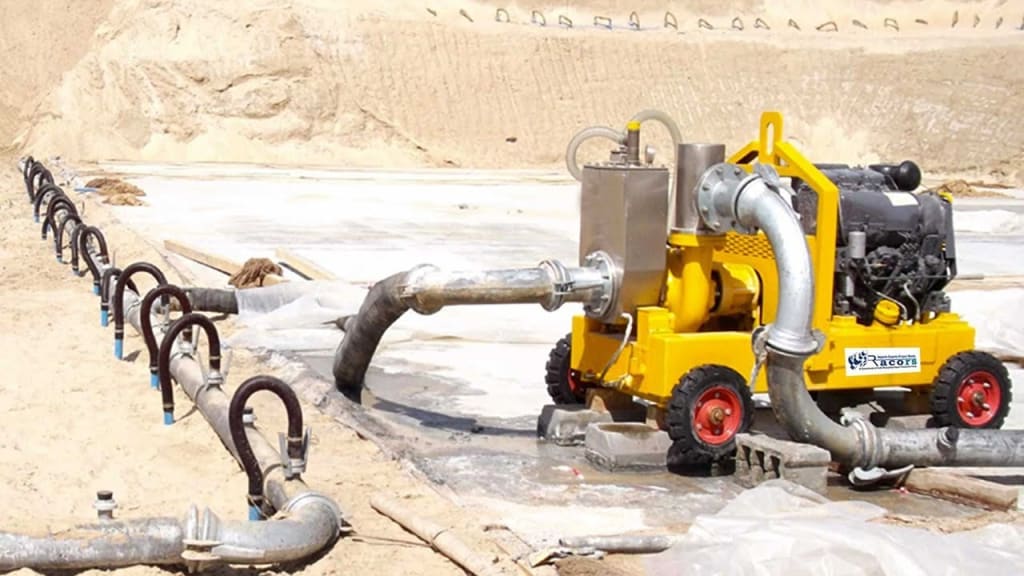
Water is one of your worst enemies on a construction site. Rain, groundwater, or residual moisture from concrete work can bog your project down and leave you far behind schedule.
Moisture weakens soil, rusts equipment, and puts your crew at risk of injury. That’s why dewatering is such a critical step on your job site.
In this guide, we’ll show you how pumps and drying equipment work together to keep moisture where it belongs off your site.
Understanding Dewatering
Before driving your first pile or pouring your first foundation slab, you need to know the ground beneath your site will stay solid and intact. Too much water in the soil reduces its load-bearing capacity, which means your buildings will settle, shift, crack, or fail much faster.
Standing water attracts mosquitoes, causes slips and falls, and rusts your equipment. Dewatering keeps excess water off your job site before it can cause problems.
Water pumps and drying equipment work together to remove unwanted water from your site. By investing in the proper tools for dewatering (and continuing to dry your site), you protect your investment and ensure your crew stays safe while working.
Choosing Your Pump
If you’ve never dewatered before, choosing the right pump can feel overwhelming. You might encounter several kinds of pumps on any given job site, so let’s review how they work and what you can use them for.
Submersible pumps are the most common type of pump for construction site dewatering. You lower them into the standing water, and they pump it out through a discharge hose. They’re lightweight, portable, and easy to use. So, when water first accumulates in your excavation or working area, submersible pumps are often the first tool you’ll grab to fix the problem.
Centrifugal pumps move larger volumes of water faster than submersibles. These pumps work best with surface water because they need to sit above the water level you’re pumping out. You won’t usually use these for deep excavations. Centrifugal pumps require priming most of the time, so keep that in mind when deciding between them and a submersible pump.
A wellpoint system actually lowers the groundwater table, instead of just removing standing water. To install one, drive wellpoints around the perimeter of your excavation area. A vacuum pump draws water up from the groundwater and out through those pipes. Wellpoints are helpful for deep excavations where groundwater keeps seeping into the work area.
Diaphragm pumps can pump everything from clean water to sewage. They handle nasty, mud-filled water with no problem. So, if you need to clear out water full of debris, sand, or gravel, you need a diaphragm pump.
Installing Your Water Pump
Now that you know what kind of pump you need, where you place it matters just as much. When using submersible pumps in an excavation, you want to place them as close to the bottom of the pit as possible so they can capture the most water. Run your discharge hose as far away from your work area as you can. You just pumped all of that water out for a reason, so don’t let it drain right back in your work area.
If you have a large excavation or excess water all over your job site, you might need multiple pumps to work simultaneously. You’ll likely need to space them out over the entire site to achieve maximum drainage efficiency.
Before you hook up your pump and start discharging water, check with your local authorities. Many cities require construction sites to filter or treat water before releasing it into storm drains or public waterways.
Power is another important thing to consider when placing your pump. Electric pumps need access to power, which can be difficult on remote job sites. You may need to bring in a generator to power your pumps. Make sure you plan for how the pump will receive power before you install it.
The Role of Drying Equipment
If your pump gets rid of bulk water, what do you do about the excess moisture left behind? Soil, concrete, and other surfaces will still be wet and muddy after you pump the water out. That’s where drying equipment comes into play.
Commercial Air Movers and Blowers move large volumes of air across wet surfaces. This allows moisture to evaporate much quicker than if you let it dry on its own. Air movers are especially useful in basements or tunnels where there’s little to no natural airflow.
Do you work in an enclosed space or partially covered area?
As soon as you remove the bulk water from your site, humidity levels will soar. High humidity means your equipment will take longer to dry. Moisture in the air also creates a risk of mold if you’re framing with wood or installing drywall. Dehumidifiers remove moisture from the air, combatting your humidity problem head-on.
Heaters, such as propane or electric radiant heaters, accelerate drying by heating the surrounding air and ground surface. In the winter months, evaporation happens more slowly. A heater helps kick-start the drying process.
Running your pumps at the same time as air movers, dehumidifiers, or heaters creates a fully functioning dewatering and drying system for your worksite.
Maintaining a Dry Job Site
Removing water from your site is only part of the battle. You have to check your pumps and dryer equipment regularly to ensure they’re working properly. Clean out debris from discharge lines so water can flow freely through the hose.
Keep an eye on the weather whenever you’re working on an excavation. Have extra pump capacity ready to go if you know a heavy rainstorm is coming your way. You can also install silt fences and berms around the perimeter of your site to prevent surface runoff from entering your work area. By taking these extra steps to maintain your system, your worksite will stay dry all project long.
Live Real Case Study: Construction Site Dewatering With Pumps And Dry Equipment
Overview
A contractor working on a deep excavation project located in a heavily urban environment began to struggle with constant groundwater ingress paired with downpours of rainwater. Accumulation of water in the bottom of the excavation began to limit progress by hindering foundations and making it unsafe to enter with equipment or crew.
Soil conditions became less than desirable with the excess water saturation. Without control of the groundwater table and the removal of ponding water there would be significant concern about the walls of excavation caving in or project schedule being further delayed.
Thompson Pump’s Solution
The contractor decided to utilize a hybrid method of pumping & drying.
Wellpoints were utilized around the perimeter of excavation to lower the water table.
Centrifugal pumps were used to remove large volumes of water quickly off the job site.
Submersible pumps were positioned around low spots in the excavation to help remove ponded water.
Air movers and heaters were utilized after bulk of the water was removed to dry soils, concrete, and help mitigate moisture in the air.
Water from pumps were directed away from the excavation as recommended by local regulations.
Outcome
Groundwater levels decreased below the level of excavation.
Removal of ponded water allowed for crews and equipment to access the excavation safely.
The project schedule did not need to be delayed any further due to drying & stabilization of soils.
The contractor avoided possible costly downtime or having walls of excavation cave-in.
Construction Site Dewatering FAQS
If you have a question about construction site dewatering and cannot find the answer in our guide, please feel free to ask us at the bottom of this page.
1. Why do construction sites need dewatering?
Dewatering ensures that soils you are working with can safely bear the loads and stresses of construction. Water saturates soil and drastically weakens its strength. Wet sites are far more dangerous and prone to slips, collapses, equipment issues, and foundation failures. Dewatering helps prevent these issues so work can proceed as scheduled.
2. What kind of pump do you use to dewater a construction site?
Many factors play into what pump would work best on any given site. If you have large amounts of standing water a submersible pump would be ideal. Centrifugal pumps could move large amounts of water but would likely need to be deployed near the entry/exit point. Diaphragm pumps are solid for extremely muddy water with debris. If you are struggling with groundwater, wellpoints might be the right choice for your project.
3. Can I just pump the water out and consider the site dried?
No. Think of dewatering as two steps. Removing as much bulk water as possible through pumping. Then drying the soils/ concrete and reducing moisture in the air. While water pumped out is one less thing you have to dry, you will still need to employ air movers, dehumidifiers, or heaters to get the job done completely.
4. How long will I need to run dewatering equipment?
Until the water table stops rising and your area stabilizes. Some sites may only need to run a few days while others will need to remain in operation for weeks. Soil type, weather, and cut depths all play a major role in how long you will need to operate your equipment.
5. Will my construction site need permits to pump water?
In most cases, yes. Many municipalities require you to have sediment controls, filter the water, or pump into an approved location. It is always best to check with your local authorities before pumping into storm drains or nearby rivers and streams.
Final Words
Rain and groundwater aren’t your enemy if you have the proper tools to keep them in check. Water pumps and drying equipment let you control moisture levels from day one of your excavation. Choose your pump wisely based on your site’s conditions, support it with the right drying equipment, and maintain your system regularly. Following these steps means you can keep your entire project running smoothly from the ground up.
About the Creator
Keep reading
More stories from Shahid Sipra and writers in Journal and other communities.
Tatt~Master
— Assembly Line Tatt Machine ~ Impressions to Impress — As I begin to understand more about the Tattoo Phenomenon. I've written silly, yet verbatim, dating site anecdotes in 'Frazzled.' So let me ask you: Would you be More attracted to someone slathered with tattoos, or Less?
By Jay Kantor6 days ago in Humor



Comments
There are no comments for this story
Be the first to respond and start the conversation.