
US Scolds Rwanda for Breaking Peace Deal as M23 Rebels Seize Key Congo City
M23’s advance exposes fragile diplomacy between Rwanda and the Democratic Republic of Congo

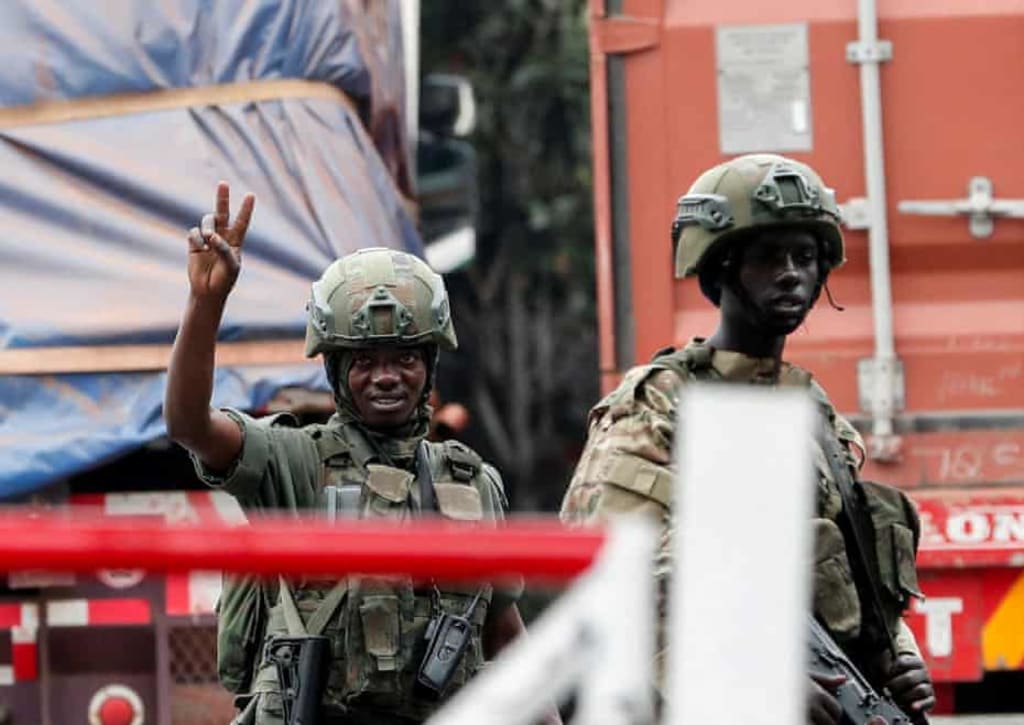
Eastern Africa is once again facing heightened instability after the United States publicly condemned Rwanda for violating a recent peace agreement, following the capture of a strategic city in the Democratic Republic of Congo (DRC) by the M23 rebel group. The incident has cast serious doubt on diplomatic efforts aimed at calming one of Africa’s most volatile regions and has renewed fears of a wider regional conflict.
A Fragile Peace Shattered
Just days after a U.S.-brokered peace agreement was signed between Rwanda and the Democratic Republic of Congo, violence surged once again in eastern Congo. The M23 rebels seized control of Uvira, a key city in South Kivu province located near Lake Tanganyika and close to the Burundi border.
The peace deal was designed to halt support for armed groups and reduce cross-border hostilities. However, the rapid advance of M23 forces has effectively undermined the agreement before it could take hold. Although the rebels were not direct signatories to the deal, their actions have placed Rwanda under intense scrutiny due to longstanding allegations of its involvement with the group.
US Condemnation and Diplomatic Pressure
The United States has issued a strong rebuke, accusing Rwanda of breaking its commitments under the peace deal by backing the M23 offensive. Speaking at the United Nations, U.S. officials warned that Rwanda’s actions threaten to plunge the region into deeper conflict and undermine international efforts to stabilize eastern Congo.
Washington emphasized that continued support for armed groups would not be tolerated and hinted at possible diplomatic or economic consequences if the situation does not improve. The condemnation marks one of the strongest public stances the U.S. has taken against Rwanda in recent years.
Rwanda Rejects the Accusations
Rwanda has firmly denied claims that it supports the M23 rebels. Rwandan officials argue that their military actions are purely defensive and aimed at neutralizing hostile militias operating near their borders, particularly the Democratic Forces for the Liberation of Rwanda (FDLR).
Kigali has countered by accusing the Congolese government of failing to uphold its own responsibilities under the peace agreement. This exchange of blame reflects the deep mistrust that has characterized relations between Rwanda and Congo for decades, making diplomatic progress difficult.
Why Uvira Matters
The fall of Uvira is significant both strategically and symbolically. As a major port city on Lake Tanganyika, Uvira serves as a vital trade and transport hub in eastern Congo. Its capture strengthens the M23’s territorial control and places rebel forces dangerously close to neighboring Burundi.
The takeover has triggered panic among civilians, with tens of thousands fleeing their homes to escape the fighting. Humanitarian organizations report that displacement numbers are rising rapidly, compounding an already severe humanitarian crisis in the region.
Growing Humanitarian Emergency
Eastern Congo has long been plagued by violence involving dozens of armed groups, and the latest escalation has worsened conditions for civilians. Reports indicate hundreds of deaths in recent clashes, while access to food, healthcare, and shelter remains extremely limited.
Families are being forced to flee with little warning, often crossing borders into neighboring countries. Aid agencies warn that continued fighting could overwhelm local and international relief efforts, leaving vulnerable populations at even greater risk.
Regional Stability at Risk
The capture of Uvira has alarmed neighboring countries, particularly Burundi, which has military forces deployed in eastern Congo. The proximity of fighting to international borders has raised concerns that the conflict could spread beyond Congo’s territory.
Regional leaders and international organizations have urged all parties to exercise restraint and recommit to dialogue. However, without meaningful enforcement mechanisms and inclusive negotiations involving armed groups like M23, peace efforts remain fragile.
What Comes Next?
The crisis highlights a recurring challenge in eastern Congo: peace agreements that fail to address the role of powerful rebel groups often collapse under pressure. Analysts argue that sustainable peace will require broader negotiations, stronger monitoring, and accountability for violations.
The United States has signaled that it may increase pressure on those undermining stability, potentially through sanctions or diplomatic isolation. Whether such measures will succeed remains uncertain.
Final Thoughts
The seizure of a key Congolese city by M23 rebels has exposed the weaknesses of recent peace efforts and reignited tensions between Rwanda and the Democratic Republic of Congo. As accusations fly and civilians bear the brunt of the violence, the international community faces growing urgency to act decisively.
Without genuine commitment from all sides and a comprehensive approach to resolving the conflict, eastern Congo risks remaining trapped in a cycle of violence—one that continues to destabilize the region and devastate countless lives.
About the Creator
Asad Ali
I'm Asad Ali, a passionate blogger with 3 years of experience creating engaging and informative content across various niches. I specialize in crafting SEO-friendly articles that drive traffic and deliver value to readers.
The goals I did not achieve
Every writing goal I made for the year is a wash. It has been this way for a while, but I think it's important to be open about my failures and the reality of how life can get in the way. This is especially true considering the several times I have posted on Vocal about my writing goals, how I was changing my approach, and where I was hoping to be for the upcoming year. I will probably do that again in a couple months, but for now, it is time to acknowledge where I am today.
By Kay Husnick22 days ago in Journal
Inside a Policy Limit Investigation: Process, Purpose, and Pitfalls
Insurance claims can be complex, especially when the potential damages approach or exceed the policy limits. In such cases, insurers often initiate a policy limit investigation, a critical process designed to determine whether a claim should be settled within the policy limits or if additional considerations, including litigation risk, must be addressed.
By Addison Jons2 days ago in Journal


Comments
There are no comments for this story
Be the first to respond and start the conversation.