
US man becomes 2nd person known to be living with pig kidney
Animal kidney Transplant

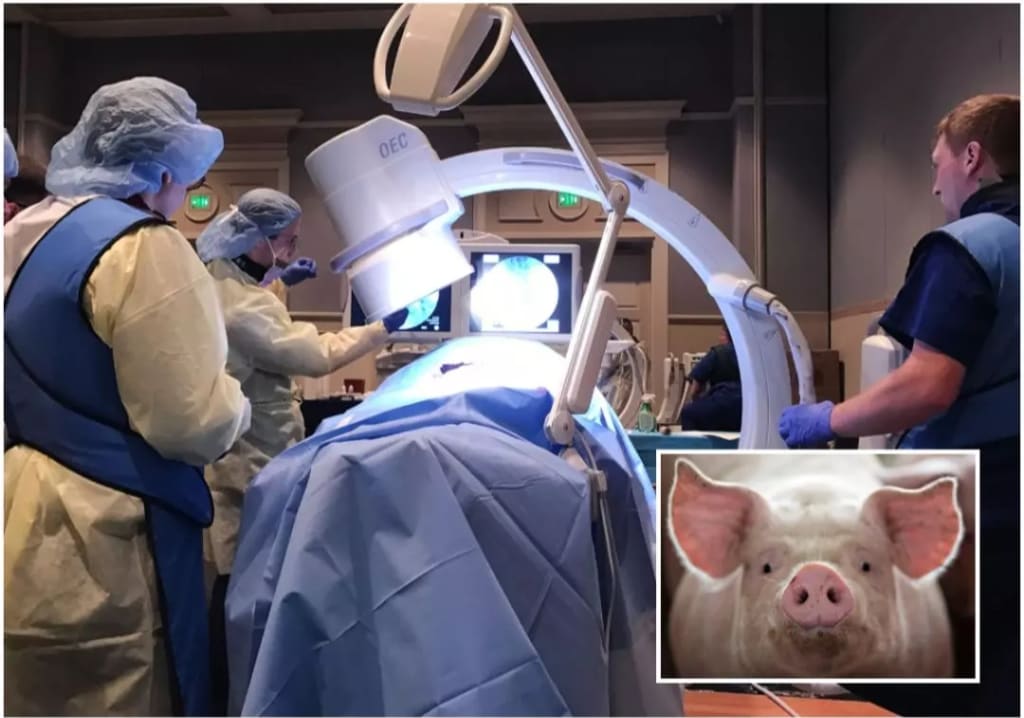
In a groundbreaking medical achievement, Tim Andrews, a 66-year-old man from New Hampshire, USA, has become the second person in the world known to be living with a successfully transplanted pig kidney. This remarkable procedure, which took place on January 25, marks a significant milestone in the field of xenotransplantation—the process of transplanting organs or tissues from one species to another. Andrews, who had been battling kidney failure for the past two years, is now free from dialysis and recovering well, according to reports from the Associated Press.
A New Lease on Life
Im Andrews’ journey to this historic moment has been fraught with challenges. For two years, he endured the debilitating effects of kidney failure, a condition that severely impacts the body’s ability to filter waste and excess fluids from the blood. Like many patients with end-stage renal disease, Andrews relied on dialysis—a life-sustaining but exhausting treatment—to perform the functions his kidneys no longer could. Dialysis, while lifesaving, is not a permanent solution and often comes with a significant toll on a patient’s quality of life.
The pig kidney transplant has given Andrews a new lease on life. Just weeks after the procedure, he is reportedly recovering well and no longer requires dialysis. This success story is not just a personal victory for Andrews but also a beacon of hope for the thousands of patients worldwide who are waiting for kidney transplants.
The Science Behind Xenotransplantation
Xenotransplantation is a cutting-edge field of medicine that seeks to address the critical shortage of human organs available for transplantation. According to the United Network for Organ Sharing (UNOS), more than 100,000 people in the United States alone are currently on the waiting list for organ transplants, with kidneys being the most in-demand organ. Unfortunately, the supply of human donor organs falls far short of the demand, leading to long waiting times and, in some cases, preventable deaths.
Pigs have emerged as a promising source of organs for transplantation due to their physiological similarities to humans. However, the process is not without its challenges. One of the biggest hurdles is the risk of hyperacute rejection, a severe immune response that can occur when an animal organ is transplanted into a human body. To overcome this, scientists have turned to genetic engineering.
The pig kidney used in Andrews’ transplant was not an ordinary organ. It came from a genetically modified pig, specifically bred to reduce the risk of rejection. These modifications include the removal of certain pig genes that trigger immune responses in humans and the addition of human genes to make the organ more compatible. Additionally, the pig was raised in a controlled, pathogen-free environment to minimize the risk of transmitting animal viruses to humans.
A Historic Milestone
Tim Andrews is not the first person to receive a pig kidney transplant. In 2021, a team of surgeons at NYU Langone Health performed a similar procedure on a brain-dead patient, marking the first successful pig-to-human kidney transplant. However, Andrews is the second known living recipient of such a transplant, making his case a historic milestone in the field.
The success of Andrews’ transplant is a testament to the rapid advancements in xenotransplantation. Just a few decades ago, the idea of using animal organs for human transplants was considered science fiction. Today, it is a reality, thanks to decades of research and innovation in genetics, immunology, and surgical techniques.
Ethical and Regulatory Considerations
While the success of Andrews’ transplant is cause for celebration, it also raises important ethical and regulatory questions. Xenotransplantation is a highly complex and controversial field, with concerns ranging from animal welfare to the potential risks of cross-species disease transmission.
Animal rights advocates have expressed concerns about the welfare of genetically modified pigs bred for organ transplantation. Critics argue that these animals are treated as mere commodities, raising ethical questions about the moral implications of using animals in this way.
On the other hand, proponents of xenotransplantation argue that the potential benefits to human health outweigh these concerns. They point to the thousands of lives that could be saved by addressing the organ shortage crisis. Additionally, strict regulatory frameworks are in place to ensure the safety and ethical treatment of animals used in research.
From a regulatory perspective, xenotransplantation is subject to rigorous oversight by organizations such as the U.S. Food and Drug Administration (FDA). Before xenotransplants can become widely available, they must undergo extensive clinical trials to demonstrate their safety and efficacy. The success of cases like Andrews’ is a crucial step in this process, providing valuable data that could pave the way for future approvals.
The Future of Xenotransplantation
The success of Tim Andrews’ pig kidney transplant is a promising sign for the future of xenotransplantation. While the procedure is still in its experimental stages, it holds the potential to revolutionize the field of organ transplantation. If further research and clinical trials confirm the safety and efficacy of pig organs, they could become a viable alternative to human donor organs, saving countless lives in the process.
In addition to kidneys, scientists are exploring the use of pig hearts, lungs, and livers for transplantation. In January 2022, a team of surgeons at the University of Maryland Medical Center performed the first successful pig-to-human heart transplant on a patient with end-stage heart disease. Although the patient passed away two months later, the procedure demonstrated the feasibility of using pig hearts in humans and provided valuable insights for future research.
A Message of Hope
Tim Andrews’ story is a powerful reminder of the resilience of the human spirit and the transformative potential of medical innovation. For patients like Andrews, who have spent years battling chronic illness, xenotransplantation offers a glimmer of hope—a chance to reclaim their lives and look forward to a brighter future.
As the field of xenotransplantation continues to evolve, it is essential to balance the promise of scientific progress with the ethical considerations it entails. With careful research, rigorous oversight, and a commitment to patient safety, pig organs could one day become a standard treatment option, alleviating the global organ shortage and giving hope to millions of patients worldwide.
For now, Tim Andrews’ successful recovery serves as a beacon of hope and a testament to the power of human ingenuity. His story is not just a medical breakthrough; it is a story of hope, perseverance, and the endless possibilities of science.
About the Creator
The goals I did not achieve
Every writing goal I made for the year is a wash. It has been this way for a while, but I think it's important to be open about my failures and the reality of how life can get in the way. This is especially true considering the several times I have posted on Vocal about my writing goals, how I was changing my approach, and where I was hoping to be for the upcoming year. I will probably do that again in a couple months, but for now, it is time to acknowledge where I am today.
By Kay Husnick23 days ago in Journal
The Devil's Cut
“Comrade, finally you’re awake.” The voice was smooth, sensual. A flickering incandescent bar was all that lit the white, sterile room. All Vladimir remembered was everything going black. He tried to move his arms and found them strapped to the gurney.
By Matthew J. Fromm5 days ago in Fiction



Comments
There are no comments for this story
Be the first to respond and start the conversation.