
US Alternative Protein Ingredients Market to Surge to $20.79 Billion by 2033 on Rising Demand for Plant-Based and Sustainable Proteins
Plant-Based, Insect-Based, and Microbial Proteins Drive Growth Amid Health, Sustainability, and Innovation Trends

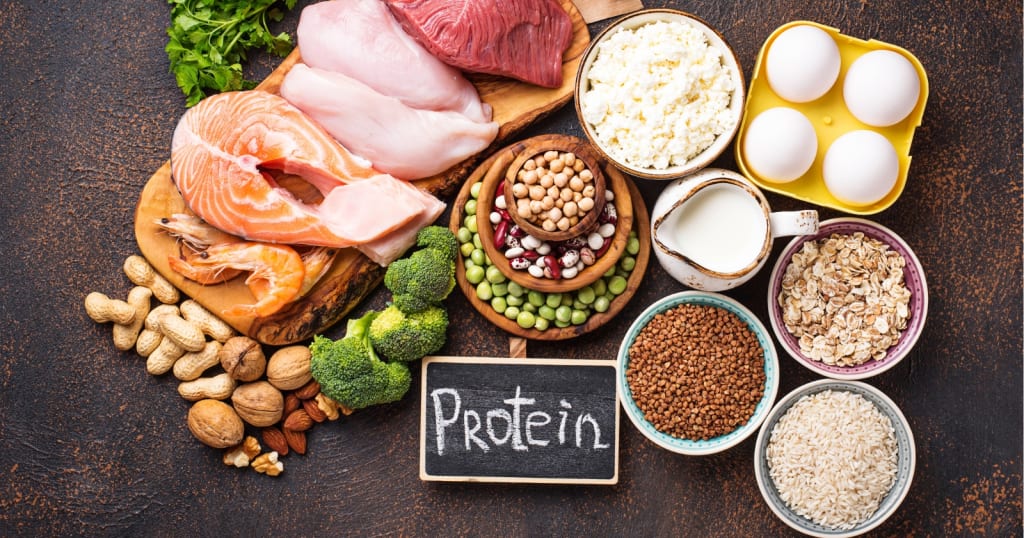
United States Alternative Protein Ingredients Market Overview
According to Renub Research Latest Report United States alternative protein ingredients market is projected to grow from USD 7.11 billion in 2024 to USD 20.79 billion by 2033, expanding at a CAGR of 12.72% during 2025–2033. Growth is fueled by increasing consumer preference for plant-based and sustainable protein sources, advancements in food technology, and heightened health awareness. Innovations in alternative protein products across food, beverages, dietary supplements, and animal feed are further supporting market expansion.
Alternative proteins originate from plants, insects, algae, fungi, and cultured cells, providing environmentally friendly substitutes for conventional animal proteins. Common sources include soy, peas, lentils, chickpeas, mycoprotein, algae, and precision-fermented proteins, which offer essential nutrients while reducing the environmental footprint associated with traditional meat production.
Rising Consumer Demand for Plant-Based Diets:
Increasing adoption of vegetarian, vegan, and flexitarian diets is driving plant protein demand. Major food chains and retailers are expanding plant-based meat and dairy alternatives, making them more accessible to mainstream consumers. Initiatives like the Plant Based Foods Institute (PBFI) support sustainable and ethical protein consumption.
Technological Advancements in Food Processing:
Innovation in precision fermentation, cellular agriculture, and extrusion technologies improves taste, texture, and nutritional profiles of alternative proteins. Products like Califia Farms Complete, incorporating chickpea, pea, and fava bean proteins, exemplify advances in plant-based milk and protein products.
Environmental Sustainability:
Concerns over climate change, deforestation, and water usage linked to animal agriculture are driving interest in sustainable alternatives. Plant-based, insect-based, and cultured proteins have a lower carbon footprint and require fewer resources, aligning with government sustainability initiatives and corporate ESG goals.
Challenges
High Production Costs: Advanced alternative proteins, including lab-grown meat and algae-based options, remain expensive due to biotechnology and infrastructure investments. Scaling production while keeping prices competitive is an ongoing challenge.
Consumer Acceptance and Taste Preferences: Some consumers remain hesitant due to taste, texture, and cultural perceptions, especially regarding insect-based and lab-grown proteins. Companies must invest in product quality, marketing, and education to improve adoption.
👉 For deeper analysis, detailed segment data, and company insights: 🔗 Request Customization Report
Plant-Based Proteins: Wheat (gluten/seitan), soy, peas, chickpeas, oats, rice, potato, almond, lupine.
Soy Protein leads the market due to versatility, nutrition, and affordability.
Wheat Protein is popular in meat alternatives but faces gluten-related concerns.
Insect-Based Proteins: Coleoptera (beetles), Diptera (flies), Lepidoptera, Hymenoptera, Orthoptera, Hemiptera.
Coleoptera and Diptera proteins are emerging in human nutrition and animal feed, though consumer acceptance remains limited.
Microbial Proteins: Algae, yeast, bacteria, fungi, precision fermentation, dairy proteins (casein/whey), egg proteins.
Algae Proteins (spirulina, chlorella) offer high nutrient density with a minimal environmental footprint.
Yeast Proteins provide natural umami flavor, enhancing meat substitutes and plant-based beverages.
Applications: Food & Beverage, Animal Feed, Dietary Supplements, Others.
Regional Insights:
East US: Cities like New York, Boston, and Washington, D.C., drive alternative protein adoption through health-focused diets and food tech innovation.
West US: California leads in plant-based and cell-based protein innovation, with Silicon Valley startups and health-conscious consumers accelerating market growth.
Competitive Landscape
Key players in the US alternative protein ingredients market include:
Beyond Meat
Impossible Foods Inc.
Archer Daniels Midland (ADM)
Cargill Inc.
Roquette Frères
Tyson Foods Inc.
Ingredion Incorporated
Novozymes
Kerry Group
DuPont Nutrition & Biosciences
These companies focus on R&D, product innovation, and sustainability initiatives to cater to growing consumer demand for alternative proteins.
Outlook
The US alternative protein ingredients market is expected to witness robust growth through 2033, driven by:
Plant-based diet adoption
Technological innovations in food production
Sustainability and ethical concerns
Expansion in food, beverage, and animal feed applications
Companies investing in taste, texture, affordability, and consumer education are well-positioned to lead in this evolving and rapidly expanding market.
Note: If you need details, data, or insights not covered in this report, we are glad to assist. Through our customization service, we will collect and deliver the information you require, tailored to your specific needs. Share your requirements with us, and we will update the report to align with your expectations.
About the Creator
Renub Research
Renub Research is a Market Research and Consulting Company. We have more than 15 years of experience especially in international Business-to-Business Researches, Surveys and Consulting. Call Us : +1-478-202-3244
Keep reading
More stories from Renub Research and writers in Journal and other communities.
United Kingdom Feed Additives Market Forecast & Trends (2025–2033)
According to Renub Research Latest Report United Kingdom (UK) feed additives market is poised for steady growth, projected to expand from US$ 2.11 billion in 2024 to US$ 3.59 billion by 2033, registering a compound annual growth rate (CAGR) of 6.21% from 2025 to 2033. The market is driven by the shift towards natural and organic feed additives, technological advancements, strict regulatory frameworks, sustainable agriculture practices, and increasing demand for premium animal products.
By Renub Research4 months ago in Journal
The goals I did not achieve
Every writing goal I made for the year is a wash. It has been this way for a while, but I think it's important to be open about my failures and the reality of how life can get in the way. This is especially true considering the several times I have posted on Vocal about my writing goals, how I was changing my approach, and where I was hoping to be for the upcoming year. I will probably do that again in a couple months, but for now, it is time to acknowledge where I am today.
By Kay Husnick24 days ago in Journal
Professional Expectations for Safeguarding PHI
Introduction Protecting patient information is essential. PHI includes sensitive health data. Trust depends on confidentiality. Privacy supports ethical healthcare delivery. Regulations require strict safeguards. Compliance is a professional obligation. Breaches cause serious harm. Financial penalties may follow. Reputational damage can occur. Patients expect protection. Professionals must remain vigilant. Every interaction carries responsibility. Digital records increase exposure risk. Paper records still matter. Strong safeguards reduce vulnerability. Consistent practices protect patients. PHI protection reflects professionalism. Accountability is not optional. Privacy failures damage credibility. Safeguarding PHI supports long-term organizational stability.
By Abdul Mueed4 days ago in Journal


Comments
There are no comments for this story
Be the first to respond and start the conversation.