
"Unmasking the Fake: How Counterfeit Goods Are Stealing Billions and Endangering Lives"
"Discover the Hidden Dangers of Counterfeit Products and Learn How You Can Help Combat This Global Crisis"

In the expansive realm of global commerce, the surge in counterfeit goods has increasingly drawn the focus of consumers, governments, and enterprises. These imitation products, crafted to mimic authentic brands, present considerable challenges encompassing economic disruption, risks to consumer health and safety, and complications in law enforcement. This article explores the multifaceted world of counterfeit goods, delving into their definition, scope, repercussions, and the strategies essential to combat this widespread issue.
Defining Counterfeit Goods
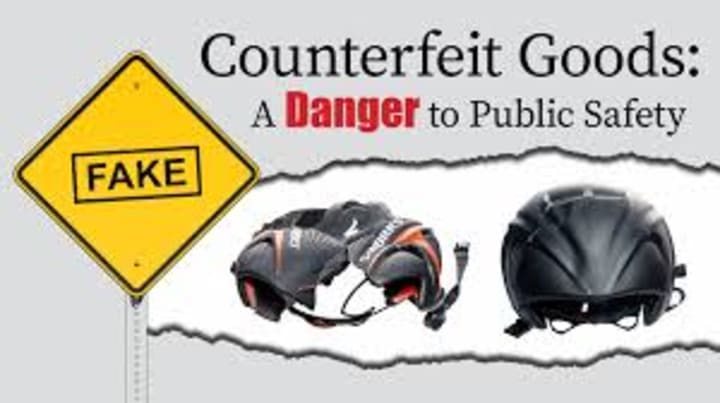
Counterfeit goods encompass products fabricated and sold under the guise of a legitimate brand's name, trademark, or logo, all without proper authorization. These deceptive items are engineered to mislead consumers, often replicating the appearance, packaging, and branding of genuine merchandise. Counterfeiting permeates various sectors, including fashion, electronics, pharmaceuticals, software, and even currency.
The Expanding Counterfeit Market
In recent times, the counterfeit market has seen an alarming expansion, fueled by globalization, technological advancements, and the boom in e-commerce. According to the Organization for Economic Co-operation and Development (OECD) and the European Union Intellectual Property Office (EUIPO), the global trade in counterfeit and pirated goods constitutes roughly 3.3% of total world trade, equating to an astonishing $509 billion annually. This figure starkly illustrates the pervasive nature of counterfeiting and underscores the urgent necessity for effective intervention.
Drivers Behind the Proliferation of Counterfeiting
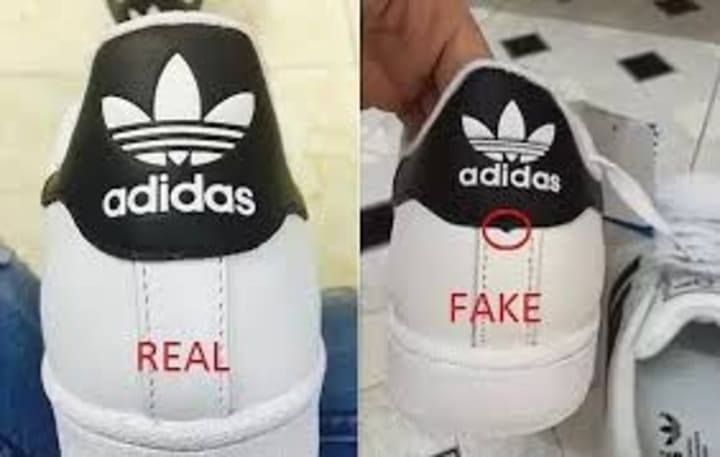
Globalization: The simplification of cross-border transactions has facilitated a surge in counterfeiting activities. The globalized supply chain allows for the sourcing of materials and manufacturing of goods across diverse countries, complicating the enforcement of intellectual property rights.
E-commerce: The rise of online shopping platforms has provided counterfeiters with a covert avenue to sell their wares, often camouflaged behind legitimate-looking seller profiles.
Consumer Demand: A significant number of consumers are drawn to counterfeit products due to their reduced prices. The temptation of acquiring luxury goods at a fraction of their original cost can entice even the most cautious buyers.
Technological Advancements: Modern manufacturing technologies have made it easier for counterfeiters to produce near-identical replicas of legitimate products. Advanced printing techniques and digital marketing tools simplify the mass production and distribution of fake goods.
Consequences of Counterfeit Goods
The ramifications of counterfeiting are extensive, affecting economic stability, public health, and safety.
Economic Repercussions
Counterfeit goods wreak havoc on the economy by diverting revenue away from legitimate brands, which can lead to job losses within authentic businesses. The International Chamber of Commerce (ICC) estimates that counterfeiting and piracy result in approximately $2.8 trillion in lost sales and 5.4 million job losses annually worldwide. Furthermore, counterfeiting erodes consumer trust. When a customer unknowingly purchases a counterfeit item, their perception of the brand may be tarnished, discouraging future purchases and damaging the brand's reputation.

Consumer Health and Safety Risks
One of the gravest consequences of counterfeit goods lies in the potential risks they pose to consumer health and safety. Counterfeit medications, for example, may contain dangerous substances or lack the necessary active ingredients, leading to severe health repercussions for unsuspecting patients. Similarly, substandard counterfeit electronics can present safety hazards, such as fire risks or electrical shocks. Numerous cases documented by the Federal Trade Commission (FTC) highlight incidents where counterfeit goods have caused injuries or fatalities, emphasizing the need for consumer caution.
Legal and Regulatory Hurdles
The battle against counterfeiting is further complicated by disparate legal and regulatory environments. Intellectual property laws vary significantly across jurisdictions, making it challenging for companies to enforce their rights globally. While some nations boast robust legal frameworks to combat counterfeiting, others lack the requisite resources or commitment to address the issue effectively. Moreover, as counterfeiters grow more sophisticated, law enforcement agencies must continuously innovate to stay ahead. Collaboration among governments, businesses, and advocacy groups is crucial to strengthening regulatory frameworks and enhancing law enforcement capabilities.
Strategies to Combat Counterfeit Goods
Addressing the counterfeit goods problem necessitates a multi-pronged strategy involving governments, businesses, and consumers.
Government Initiatives
Governments play a pivotal role in the fight against counterfeiting through:
Legislation: Implementing stringent intellectual property laws is crucial to safeguarding brands and protecting consumer rights. This includes establishing severe penalties for counterfeiters and enhancing border control measures to prevent the influx of counterfeit goods.
Consumer Awareness Campaigns: Raising awareness about the risks associated with counterfeit goods is vital. Governments can spearhead campaigns to educate the public on identifying counterfeit products, understanding the associated hazards, and recognizing the economic impact of supporting counterfeit markets.
International Cooperation: Counterfeiting is a global issue that transcends borders. Collaborating with international organizations like Interpol and customs agencies is necessary for sharing intelligence, resources, and best practices to combat counterfeiting on a global scale.
Corporate Countermeasures
Companies can adopt proactive measures to safeguard their brands from counterfeiters, such as:
Brand Protection Programs: Developing comprehensive brand protection strategies, including monitoring online marketplaces and social media for counterfeit listings, can help detect and remove fake products.
Product Authentication: Utilizing advanced technologies like RFID tags, holograms, and blockchain enables consumers to verify the authenticity of their purchases. Additionally, companies can offer easy methods for customers to report suspected counterfeit goods.
Collaborative Efforts: Companies can collaborate to share information and resources dedicated to combating counterfeiting. Joint task forces comprising businesses, trade associations, and law enforcement agencies can bolster the effectiveness of anti-counterfeiting initiatives.
Consumer Responsibility
Consumers also have a crucial role to play in combating counterfeit goods:
Stay Informed: Learn to recognize the authenticity markers of the brands you purchase. Research authorized retailers and be wary of deals that seem too good to be true.
Report Suspicions: If you encounter suspected counterfeit goods, report them to the relevant authorities or organizations in your area. Your vigilance can help protect others from falling victim to counterfeit products.
Support Genuine Brands: By making informed purchasing decisions and supporting brands committed to ethical practices, consumers can contribute to the fight against counterfeiting. Purchase from authorized dealers to ensure the authenticity of the products you buy.
Conclusion
Counterfeit goods pose a substantial and complex challenge in today’s global marketplace. The impacts of counterfeiting are extensive, affecting businesses, consumers, and economies alike. By comprehending the nature of counterfeit products, recognizing their impact, and actively participating in efforts to combat them, we can collectively work towards fostering a safer and more reliable market environment. Whether you are a government official, business leader, or consumer, your involvement is crucial in the fight against counterfeit goods, ensuring the success of genuine products and the protection of public trust.
About the Creator
David Snam
Greetings, I'm David Snam, a passionate storyteller weaving narratives that resonate with the heart and mind. My tales blend the surreal with the everyday, inviting you to explore worlds where the ordinary transforms into the extraordinary.
Keep reading
More stories from David Snam and writers in Journal and other communities.
Is Dropshipping Truly Dead?
In the dynamic world of e-commerce, dropshipping has been nothing short of revolutionary, allowing ambitious entrepreneurs to launch businesses without the complexities of inventory management. Since its inception, the dropshipping landscape has expanded exponentially. However, as the environment continues to evolve—marked by fierce competition and shifting market dynamics—many are left pondering: Is dropshipping a relic of the past? The simple answer is no, but it has certainly undergone significant transformation. In this article, we delve into the current landscape of dropshipping, the challenges it now faces, and the innovative strategies top sellers are deploying in 2024 to not only survive but thrive in this cutthroat domain.
By David Snamabout a year ago in Journal
The goals I did not achieve
Every writing goal I made for the year is a wash. It has been this way for a while, but I think it's important to be open about my failures and the reality of how life can get in the way. This is especially true considering the several times I have posted on Vocal about my writing goals, how I was changing my approach, and where I was hoping to be for the upcoming year. I will probably do that again in a couple months, but for now, it is time to acknowledge where I am today.
By Kay Husnick23 days ago in Journal
The Devil's Cut
“Comrade, finally you’re awake.” The voice was smooth, sensual. A flickering incandescent bar was all that lit the white, sterile room. All Vladimir remembered was everything going black. He tried to move his arms and found them strapped to the gurney.
By Matthew J. Fromm5 days ago in Fiction


Comments
There are no comments for this story
Be the first to respond and start the conversation.