
Unlocking Tardigrade Secrets: The Hardiest Animals on Earth
Tardigrades

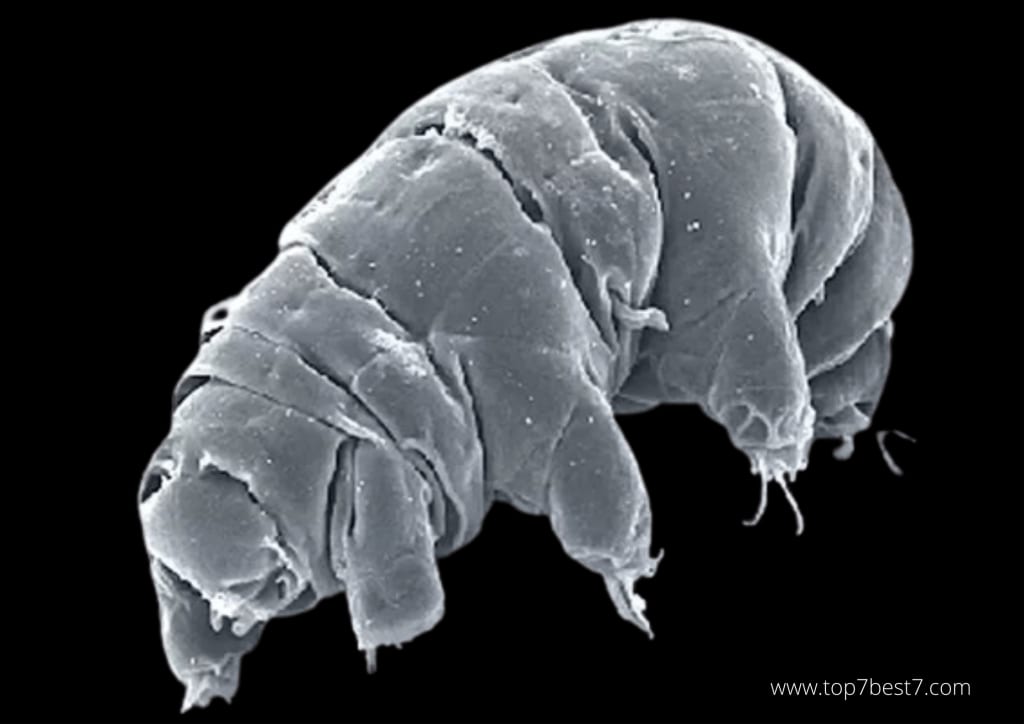
Tardigrades, tiny eight-legged creatures sometimes known as water bears or moss piglets, are renowned for their extraordinary tenacity and capacity to tolerate harsh environments. These remarkable animals have been discovered in a variety of habitats, including the deep ocean, the highest mountain summits, and even space. The distinctive characteristics of tardigrades, their evolutionary history, and any potential consequences for scientific study and human survival in harsh environments will all be covered in this article.
Introduction to Tardigrades
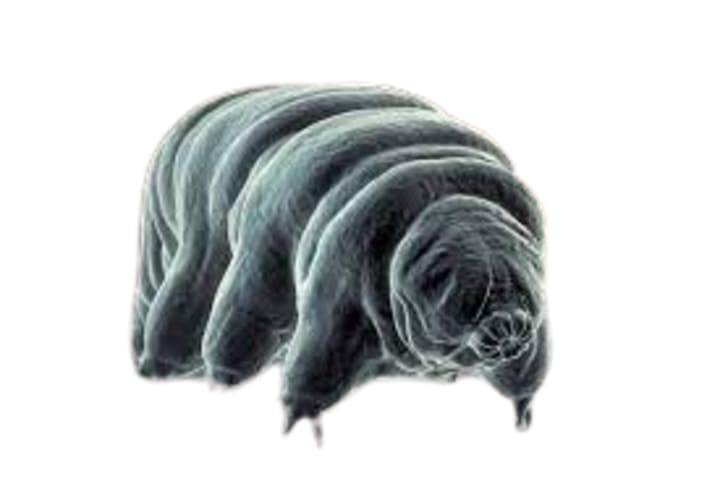
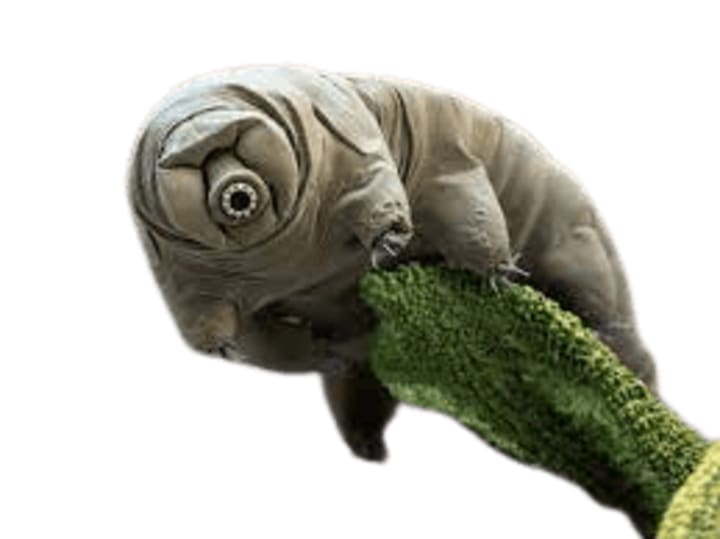
Invertebrates called tardigrades are part of the phylum Tardigrada, which has about 1,300 species that are now recognized. These minuscule creatures, which grow to a length of barely 0.5 mm, inhabit a diverse range of habitats around the world, including mosses, lichens, sand dunes, and deep-sea conditions. The bodies of tardigrades are formed like barrels, and they have four pairs of short legs each finished in claws or suction disks. Despite their tiny size, these animals have an amazing capacity for surviving in harsh environments where most other living forms would perish.
Exceptional Survival Skills
The amazing ability of tardigrades to tolerate severe settings is well known. They were discovered to be alive:
Extreme temperatures: Tardigrades can endure temperatures for brief periods of time that range from just above absolute zero (-273°C) to as high as 150°C.
They are able to endure pressures up to 1,200 times greater than atmospheric pressure, which allows them to survive in the deepest ocean tunnels.
Radiation: Tardigrades can withstand radiation doses that are hundreds of times greater than those that would be fatal to people.
Dehydration: According to some reports, they can survive for up to three decades in a dehydrated state, where they can survive for years without water.
Tardigrades are the first organisms to have survived exposure to the radiation and vacuum of space, according to current knowledge.
Due to their amazing capacity for survival, scientists now classify tardigrades as extremophiles—organisms that can survive in conditions that would be harmful to the majority of Earth's animal species.
The State of Tun
The "tun" condition, a peculiar mechanism, is responsible for the extraordinary resiliency of tardigrades. Tardigrades go into a state of suspended animation under extreme circumstances, where their body dries out and their metabolic rate falls to as little as 0.01% of what it normally is. Tardigrades can endure intense heat, pressure, radiation, and dehydration for lengthy periods of time in this cryptobiotic state.
Even after spending years in the tun stage, tardigrades can rehydrate and begin their regular metabolic processes when they are placed in suitable settings.
Taxonomy and the History of Evolution
Tardigrades are thought to have evolved long ago, and their closest relatives are nematodes (roundworms) and arthropods, which include insects, crustaceans, and other types of arthropods. According to fossil evidence, tardigrades initially arose more than 500 million years ago, during the Cambrian epoch.
There are two major classes of tardigrades:
While tardigrades are typically found in freshwater or terrestrial environments and have smooth cuticles, hetero-tardigrades are distinguished by their armored cuticle and marine or terrestrial habitats.

Research and Sequencing in Genetics
New genetic discoveries have added to our understanding of the peculiar biology of tardigrades. According to studies, the genomes of tardigrades range in size from 75 to 800 megabase pairs of DNA, with some species having genomes that are under 100 megabase pairs in size.
The damage suppressor (Dsup) protein, which has been demonstrated to shield DNA from radiation-induced damage, and other novel tardigrade-specific proteins have also been discovered as a result of these genetic analyses. The potential uses of tardigrade proteins in shielding human cells from radiation and other types of stress have been spurred by this study.
Environmental Relevance
In many ecosystems, tardigrades are important pioneer species that colonize new areas and draw in other invertebrates and predators. They are a crucial link in the food chain since they eat bacteria, algae, plant cells, and even tiny tardigrades. In addition to acting as dispersal agents by moving to new habitats via wind and water currents, their capacity to endure harsh conditions also enables them to do so.
Popular Culture's Uses of Tardigrades
The public has been fascinated by tardigrades because of their special skills and appealing look, making them popular subjects for various media. They are frequently used as a symbol of resiliency and adaptability in the face of hardship and have appeared in documentaries, TV shows, and even video games.
In Scientific Research, Tardigrades
Due to their exceptional survival skills and relatively straightforward physiology, tardigrades have emerged as useful model animals for scientific investigation. The molecular mechanisms behind their remarkable tolerance to environmental stresses are of special interest to researchers.
Research into the biology of tardigrades has uncovered a number of novel proteins and genes that may hold the secret to enhancing human health and survival in harsh environments. The Dsup protein, for instance, has demonstrated the ability to shield human cells from radiation damage, which may have uses in cancer treatment and space flight.
In addition, research on tardigrades may shed light on the development of life on Earth and the possibility of life existing in harsh conditions elsewhere in the cosmos.
Space Tardigrades
Tardigrades have been transported to space numerous times to explore how they fare in the hostile environment of the universe. When tardigrades had a 10-day trip on board the FOTON-M3 spacecraft in 2007, they became the first known creatures to withstand exposure to space radiation and vacuum. Recent flights, like STS-134 in 2011, have carried out more research into how microgravity and cosmic rays affect tardigrades.
The exceptional adaptability of tardigrades has been proved by these space trips, and the prospect that they could play a role in upcoming space exploration and colonization initiatives has also been proposed.
Conclusion
Tardigrades are incredibly amazing animals that have fascinated both the general population and scientists. Their capacity to endure harsh environments provides priceless information about the limitations of life on Earth and elsewhere. As we continue to discover the mysteries of these little creatures, we might learn new strategies for shielding ourselves from environmental hazards and deepen our comprehension of the possibility of life elsewhere in the cosmos.
The Piggy Project
I’ve had so many names in this life I lose track of which ones were ever really mine and which ones I wore because someone needed me to. Some were handed to me before I had words to refuse them, before I knew what they meant, before I knew I could say no. Most weren’t meant to hurt. That doesn’t mean they didn’t leave marks. Marks that told me who I belong to, who I am by way of who claims me, recognizes me in the good and bad, who walks beside me.
By Fatal Serendipityabout 5 hours ago in Confessions


Comments
There are no comments for this story
Be the first to respond and start the conversation.