
Unleashing the Power of Engineering Plastic
Exploring the Differences and Benefits of Engineering Plastic Compared to Normal Plastic

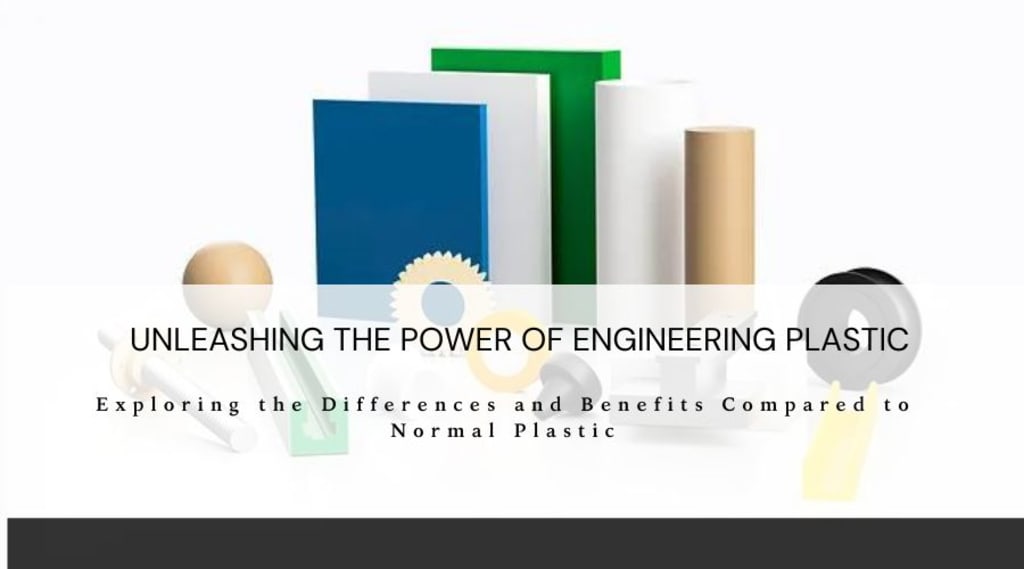
In today's rapidly evolving world, materials play a crucial role in shaping industries and transforming the way we live. Plastic, undoubtedly one of the most versatile materials, has become an integral part of our lives. However, not all plastics are created equal. Enter engineering plastic, a high-performance material that surpasses the capabilities of normal plastic in numerous aspects.
What sets engineering plastic apart is its exceptional mechanical strength, durability, and high functionality. These properties enable it to meet the demanding requirements of various industries, ranging from automotive and aerospace to electronics and healthcare. Here we will explore the differences between engineering plastic and normal plastic, highlighting the benefits it brings to the table. Additionally, we will showcase how Ningeplastics, a leading company in the field, is revolutionizing the engineering plastic industry.
Understanding Engineering Plastic
Defining Engineering Plastic
Engineering plastic, also known as high-performance plastic, is a type of synthetic resin engineered to exhibit superior mechanical and thermal properties. Unlike normal plastic, which is often used for disposable or lightweight applications, engineering plastic offers enhanced strength, stability, and resistance to wear and tear.
Key Differences Compared to Normal Plastic
1. Mechanical Strength: Engineering plastic boasts significantly higher mechanical strength compared to normal plastic. It can withstand greater loads, impacts, and pressures, making it ideal for structural integrity and durability applications.
2. High Functionality: With its exceptional properties, engineering plastic can fulfill specialized functions and requirements. It offers various characteristics such as heat resistance, chemical resistance, electrical insulation, and flame retardancy, making it suitable for diverse industrial applications.
3. Versatility: Engineering plastic is available in various forms, including sheets, rods, tubes, and custom-molded components. This versatility allows for the fabrication of complex shapes and designs, enabling engineers to create innovative solutions for specific needs.
Super Engineering Plastics: Pushing the Boundaries
Super engineering plastics take the capabilities of engineering plastic to new heights. These advanced materials offer even greater strength, rigidity, and resistance to extreme conditions. They are engineered to withstand harsh environments, high temperatures, and corrosive substances, making them indispensable in demanding applications.
Some examples of super engineering plastics include polyether ether ketone (PEEK), polyphenylene sulfide (PPS), and polyimide (PI). These materials find applications in aerospace components, automotive parts, electronic connectors, and medical devices, among others.
Synthetic Resins and Alternatives
Exploring Synthetic Resins
Synthetic resins are a key component of engineering plastic. They are derived from petroleum or natural gas through various chemical processes. Synthetic resins possess unique properties that can be tailored to specific requirements, making them invaluable in engineering applications.
Polyethylene, polypropylene, polyvinyl chloride (PVC), and polystyrene are common examples of synthetic resins. These resins offer different characteristics, such as flexibility, toughness, or chemical resistance, allowing engineers to choose the most suitable material for their specific applications.
Seeking Alternatives: Engineering Plastic vs. Traditional Materials
Engineering plastic has emerged as a compelling alternative to traditional materials such as metal, glass, and wood. Here's why:
1. Weight Reduction: Engineering plastic offers a high strength-to-weight ratio, making it an attractive option for industries striving to reduce weight without compromising performance. This advantage is particularly significant in transportation sectors, where lightweight materials contribute to fuel efficiency and enhanced maneuverability.
2. Corrosion Resistance: Unlike metals, engineering plastic is highly resistant to corrosion and chemical degradation. This property is advantageous in environments where exposure to moisture, aggressive chemicals, or extreme temperatures is prevalent. Industries such as chemical processing, marine, and construction greatly benefit from the corrosion-resistant nature of engineering plastic.
3. Design Flexibility: Engineering plastic provides greater design flexibility compared to traditional materials. It can be easily molded, shaped, and formed into intricate geometries, enabling the realization of complex designs and streamlined manufacturing processes.
4. Cost-Effectiveness: While engineering plastic may have a higher upfront cost than some traditional materials, its long-term benefits outweigh the initial investment. Reduced maintenance, longer lifespan, and improved performance contribute to overall cost-effectiveness in various applications.
The Innovation of Ningeplastics
Amidst the realm of engineering plastic, www.Ningeplastics.com emerges as a leading company dedicated to providing cutting-edge solutions. With their expertise in engineering plastic technology, Ningeplastics offers a range of high-quality products and services that cater to diverse industry needs.
Here are some reasons why Ningeplastics stands out:
1. Extensive Product Portfolio: Ningeplastics offers a comprehensive range of engineering plastic materials, including super engineering plastics, to meet various industry requirements. Their portfolio includes innovative solutions for aerospace, automotive, electronics, and other sectors.
2. Customization Capabilities: Ningeplastics understands that each industry and application has unique demands. They provide customization services, collaborating closely with clients to develop tailor-made solutions that address specific challenges and optimize performance.
3. Research and Development: Ningeplastics is committed to continuous research and development, striving to push the boundaries of engineering plastic technology. Their dedicated team of experts works relentlessly to explore new materials, enhance existing products, and drive innovation in the field.
4. Quality and Reliability: Ningeplastics prioritizes quality and reliability in all their offerings. They adhere to stringent manufacturing processes, ensuring consistent product performance and customer satisfaction. Ningeplastics' commitment to excellence has earned them a reputation as a trusted partner in the industry.
Through their relentless pursuit of excellence, Ningeplastics is revolutionizing industries and empowering engineers to harness the full potential of engineering plastic.
FAQs about Engineering Plastic
Question: Is engineering plastic recyclable?
Answer: Yes, engineering plastic is recyclable. Depending on the specific type of engineering plastic, recycling processes can vary. However, recycling initiatives are gaining momentum, allowing for the responsible disposal and reuse of engineering plastic materials.
Question: Can engineering plastic replace metal in structural applications?
Answer: In certain applications, engineering plastic can indeed replace metal. Its high strength, light weight, and corrosion resistance make it a viable alternative to metal components. However, the suitability of engineering plastic as a replacement depends on the specific requirements and conditions of the application.
Question: Is engineering plastic suitable for outdoor applications?
Answer: Yes, engineering plastic is well-suited for outdoor applications. Its resistance to weathering, UV radiation, and moisture makes it a durable choice for outdoor components and structures.
Conclusion
Engineering plastic represents a remarkable leap forward in material technology. With its exceptional mechanical strength, high functionality, and versatility, it offers a wide array of benefits compared to normal plastic. The emergence of super engineering plastics further extends the boundaries of what is possible, enabling groundbreaking advancements in multiple industries.
As synthetic resins continue to evolve and alternative materials gain prominence, engineering plastic stands as a versatile and cost-effective solution for diverse applications. Its ability to reduce weight, resist corrosion, provide design flexibility, and enhance performance makes it an invaluable resource for industries seeking innovation and efficiency. Within this dynamic landscape, Ningeplastics shines as a pioneering company, driving advancements in engineering plastic solutions.
With an extensive product portfolio, customization capabilities, and a focus on research and development, Ningeplastics is at the forefront of engineering plastic technology. Their commitment to quality and reliability has solidified their position as a trusted partner for industries seeking cutting-edge solutions.
So, let us embrace the potential of engineering plastic, explore its remarkable capabilities, and unlock new horizons of possibility in the ever-evolving world of materials and technology, with Ningeplastics leading the way.
About the Creator
Fahad Sharif
As a writer and storyteller, I strive to create engaging and thought-provoking content that captivates readers and leaves a lasting impression. With a passion for exploring diverse topics and perspectives.
Keep reading
More stories from Fahad Sharif and writers in Journal and other communities.
How To Purchase A Tandem Kayak
What Are Tandem Kayaks? As its name implies, tandem kayaks can accommodate two paddlers at once. These boats are perfect for families or paddling duos who want to spend quality time on the lake together. Below is the website name from which you can purchase this and other types of kayaks.
By Fahad Sharif3 years ago in Journal
Aesthetic Smoking: The Allure of Cigarettes in Fashion and Photography
Key Takeaways: Cigarettes persist in fashion imagery because they function as visual symbols rather than endorsements of behavior. Designers and photographers continue to use smoking to communicate rebellion and sophistication in visual media. Historical advertising and nostalgia explain why cigarette aesthetics continually resurface.
By Jamie Rooney4 days ago in Journal




Comments
There are no comments for this story
Be the first to respond and start the conversation.