
United States Vitiligo Market Forecast to Reach US$ 320.71 Million by 2033
Rising awareness, innovative therapies, and better healthcare access drive growth in the U.S. vitiligo treatment market.

United States Vitiligo Market Overview
According to Renub Research Recent Report United States Vitiligo Market is projected to grow from US$ 202.87 million in 2024 to US$ 320.71 million by 2033, registering a CAGR of 5.22% during 2025–2033. Growth is largely driven by increased awareness, early diagnosis, and the adoption of advanced therapies including phototherapy, biologics, topical treatments, and surgical interventions.
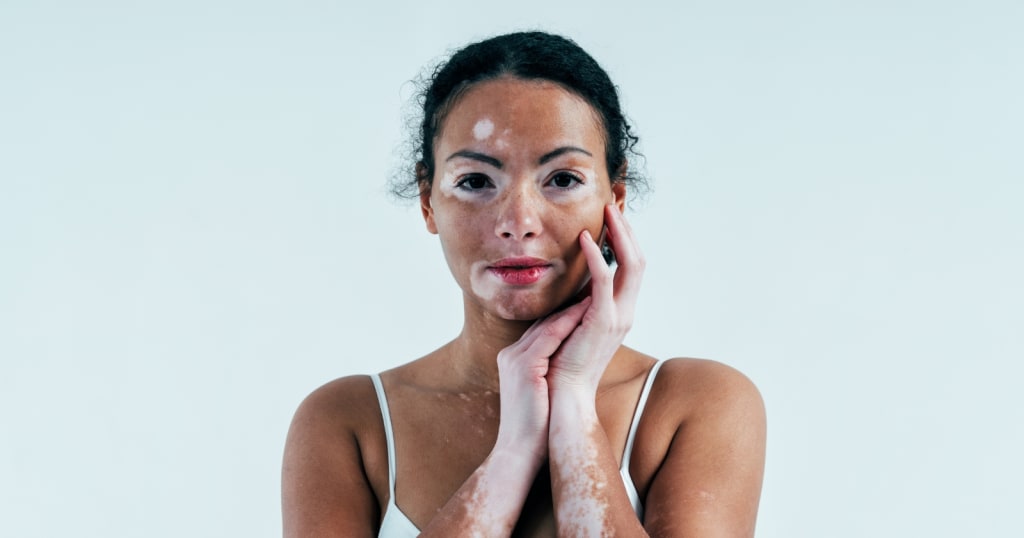
Vitiligo is a chronic autoimmune skin disorder characterized by loss of pigmentation, resulting in white patches on the skin. The condition not only affects physical appearance but also impacts psychological and social well-being. Awareness campaigns, patient advocacy, and social media initiatives have improved early diagnosis, treatment-seeking behavior, and acceptance of innovative therapies.
The market benefits from technological advancements in treatment, improved patient support systems, and enhanced access to dermatological care, while challenges such as limited curative therapies, high treatment costs, and insurance limitations continue to shape the industry.
Key Factors Driving Market Growth
1. Advancements in Treatment Technologies
Innovations in vitiligo therapy have significantly expanded the treatment landscape:
Phototherapy: Excimer lasers and narrowband UVB therapy have demonstrated repigmentation rates up to 60%, especially for localized vitiligo.
Topical Treatments: Corticosteroids and calcineurin inhibitors remain standard care, while newer options like JAK inhibitors (e.g., Tofacitinib) and biologics offer enhanced efficacy and safety profiles.
Surgical Procedures: Techniques such as skin grafting and melanocyte transplantation are increasingly used for treatment-resistant cases.
Investment in R&D by pharmaceutical companies, academic institutions, and biotech firms is driving development of targeted therapies, improving patient outcomes and expanding market opportunities.
2. Rise in Autoimmune Disorders
Vitiligo is associated with immune system dysregulation, and the increasing prevalence of autoimmune diseases in the U.S. is a key driver. Approximately 24 million Americans suffer from autoimmune conditions, prompting greater screening and diagnosis of vitiligo.
Organizations like the American Autoimmune Related Diseases Association promote awareness and research, which boosts treatment adoption and encourages the development of more effective therapies. This intersection of autoimmune disease prevalence and dermatological care is fueling market growth.
3. Increasing Awareness of Vitiligo and Skin Health
Public education and awareness campaigns have been instrumental in encouraging early diagnosis and treatment. Initiatives by the National Institute of Arthritis and Musculoskeletal and Skin Diseases and patient advocacy groups have reached millions nationwide, improving treatment-seeking behavior.
Awareness has increased consultations at dermatology clinics.
Demand for both traditional treatments and novel therapies like JAK inhibitors has grown.
Social media platforms and patient communities play a pivotal role in information dissemination and stigma reduction.
Challenges in the United States Vitiligo Market
1. Limited Curative Treatment Options
Currently, no treatment offers a complete cure for vitiligo. Most therapies focus on symptom management and aesthetic improvement, requiring long-term commitment.
Variable efficacy and side effects of topical, phototherapy, or biologic treatments can lead to patient non-compliance.
Differences in treatment response create unmet medical needs, motivating ongoing clinical research and drug development.
2. High Cost and Insurance Barriers
Advanced therapies such as biologics and JAK inhibitors are expensive, and insurance coverage may be limited or inconsistent:
Patients may face out-of-pocket costs, restricting access to the latest treatments.
Cost barriers can hinder therapy adherence and limit overall market growth.
Efforts to improve insurance coverage and affordability are critical for wider adoption.
United States Vitiligo Market Overview by States
State-level dynamics are shaped by population density, healthcare infrastructure, and awareness campaigns. Major states include California, Texas, New York, and Florida, which lead treatment adoption.
California
Advanced healthcare infrastructure and a high number of dermatology clinics facilitate early diagnosis and innovative therapy access.
Strong patient advocacy groups promote awareness, driving treatment-seeking behavior.
Urban centers like Los Angeles and San Francisco show high demand for both conventional and advanced therapies.
Leading pharmaceutical and research institutions accelerate clinical trials and personalized treatment development.
Texas
Large, ethnically diverse population supports growing vitiligo treatment adoption.
Major cities (Houston, Dallas, Austin) have advanced dermatological facilities offering phototherapy and topical treatments.
Telemedicine expansion improves access to specialists in rural areas.
Ongoing clinical trials in Texas enhance availability of innovative therapies.
New York
Dense population and comprehensive healthcare infrastructure drive strong market activity.
Numerous dermatology clinics and research institutions provide phototherapy, biologics, and JAK inhibitors.
High patient awareness and advocacy encourage early treatment adoption.
New York plays a leading role in clinical research, accelerating the launch of novel therapies.
Florida
Growing elderly population and large ethnic diversity contribute to demand.
Dermatology clinics offer traditional and advanced treatments, including emerging biologics.
Telemedicine services increase accessibility in both urban and rural areas.
Awareness campaigns and patient advocacy promote early diagnosis and treatment adoption.
👉 For deeper analysis, detailed segment data, and company insights: 🔗 Request Customization Report
By Disease Type
Segmental Vitiligo – Typically unilateral, often affecting younger patients.
Non-Segmental Vitiligo – Most prevalent form, symmetric and chronic, requiring ongoing management.
By Treatment Type
Topical Treatments – Corticosteroids, calcineurin inhibitors, and other conventional therapies.
Light Therapy – Phototherapy, Excimer lasers.
Surgical Procedures – Skin grafting, melanocyte transplantation.
Others – Biologics, JAK inhibitors, combination therapies.
By End User
Hospitals – Major centers for advanced treatments and clinical trials.
Ambulatory Clinics – High adoption for topical therapies and phototherapy.
Others – Telemedicine, specialized dermatology centers, research institutions.
By States
Leading: California, Texas, New York, Florida
Other Key Markets: Illinois, Pennsylvania, Ohio, Georgia, New Jersey, Washington, North Carolina, Massachusetts, Virginia, Michigan, Maryland, Colorado, Tennessee, Indiana, Arizona, Minnesota, Wisconsin, Missouri, Connecticut, South Carolina, Oregon, Louisiana, Alabama, Kentucky
Rest of United States – Emerging markets with growing awareness and access to care.
Competitive Landscape
Key Players:
Incyte Corporation – Focused on novel biologics and JAK inhibitors.
Bristol-Myers Squibb – Research-driven development of dermatology therapies.
Clinuvel Pharmaceuticals Ltd – Specialized in phototherapy solutions.
Astellas Pharma Inc. – Advanced dermatological treatments and research.
Baxter International Inc. – Clinical solutions and therapeutic delivery systems.
Pfizer – Expanding portfolio of immune-modulating therapies.
Dr. Reddy’s Laboratories Ltd – Generic and specialty dermatology products.
Strategic Insights:
Investment in R&D for innovative, targeted treatments.
Expansion of telemedicine and outpatient clinic access.
Development of patient-centric support programs and awareness initiatives.
Focus on combination therapies for improved efficacy and compliance.
Recent Developments
Increasing clinical trials for JAK inhibitors in the U.S., led by companies like Incyte and Pfizer.
Expansion of phototherapy services and dermatology clinics in major urban states.
Launch of patient education campaigns by advocacy groups to improve early diagnosis and treatment adherence.
Investment by pharmaceutical firms in personalized medicine and combination therapy research.
Emerging Trends
Personalized Dermatology: Growth in genetic and immune profiling to tailor vitiligo treatments.
Telemedicine Expansion: Improved access to dermatologists in rural or underserved areas.
Biologics & JAK Inhibitors: Rising adoption of novel therapies with higher efficacy and safety.
Patient Awareness Initiatives: Social media and advocacy campaigns improving early diagnosis and proactive care.
Combination Therapy Research: Integration of phototherapy with systemic or topical treatments for better outcomes.
Market Outlook
The U.S. vitiligo market is poised for steady growth, supported by:
Rising patient awareness and advocacy efforts.
Adoption of advanced treatment technologies, including phototherapy, biologics, and JAK inhibitors.
Expansion of telemedicine and outpatient dermatology services.
Increasing research collaborations between pharma companies and academic institutions.
Development of personalized and combination therapies to enhance efficacy and compliance.
Challenges such as high treatment costs, limited curative options, and insurance barriers persist, but technological innovation, patient education, and improved healthcare access are expected to propel market growth, reaching US$ 320.71 million by 2033.
This report provides a comprehensive overview of the U.S. vitiligo market, including disease types, treatment options, end-users, state-wise trends, key players, recent developments, and emerging opportunities.
Note: If you need details, data, or insights not covered in this report, we are glad to assist. Through our customization service, we will collect and deliver the information you require, tailored to your specific needs. Share your requirements with us, and we will update the report to align with your expectations.
About the Creator
Renub Research
Renub Research is a Market Research and Consulting Company. We have more than 15 years of experience especially in international Business-to-Business Researches, Surveys and Consulting. Call Us : +1-478-202-3244
Keep reading
More stories from Renub Research and writers in Journal and other communities.
United States Trauma Fixation Device Market Forecast to Reach US$ 4.34 Billion by 2033
United States Trauma Fixation Device Market Overview According to Renub Research Project Report United States Trauma Fixation Device Market is projected to grow from US$ 2.59 billion in 2024 to US$ 4.34 billion by 2033, at a CAGR of 5.93% during the forecast period. The market growth is largely fueled by an increase in fractures, sports injuries, and traffic accidents, coupled with technological advancements in orthopedic and trauma care devices.
By Renub Research4 months ago in Journal
The goals I did not achieve
Every writing goal I made for the year is a wash. It has been this way for a while, but I think it's important to be open about my failures and the reality of how life can get in the way. This is especially true considering the several times I have posted on Vocal about my writing goals, how I was changing my approach, and where I was hoping to be for the upcoming year. I will probably do that again in a couple months, but for now, it is time to acknowledge where I am today.
By Kay Husnick17 days ago in Journal
THE MONARCH OF THE VOID
In history, some figures emerge to fill a gap; others arise because the gap has become an abyss. Donald Trump did not construct the contemporary void: he is its accidental sovereign, an improvised heir. He understood, before his peers, that there was no longer a state to govern, but only grievances to channel and a lack of meaning to embody. Where his predecessors strove to feign a vision, he was content to hold up a mirror. And this mirror, held before a society exhausted by its own pretenses, did not reveal a fallen glory, but a profound hollow.
By Laurenceau Porte7 days ago in Journal
Center Stage with Gina C.
*** I'm keen to republish the interviews I did for my series with Vocal creators. It's been a few years and I thought it might be nice to revisit these wonderful conversations. I'll be releasing them one at a time for a few weeks/months.
By Heather Hubler5 days ago in Interview




Comments
There are no comments for this story
Be the first to respond and start the conversation.