
United States Human Microbiome Market Set to Surge as Global Industry Projects USD 7.09 Billion Valuation by 2031
Breakthrough Advances in Microbiome Research and Personalized Medicine Drive Transformative Growth in Therapeutics, Diagnostics, and Nutraceutical Applications
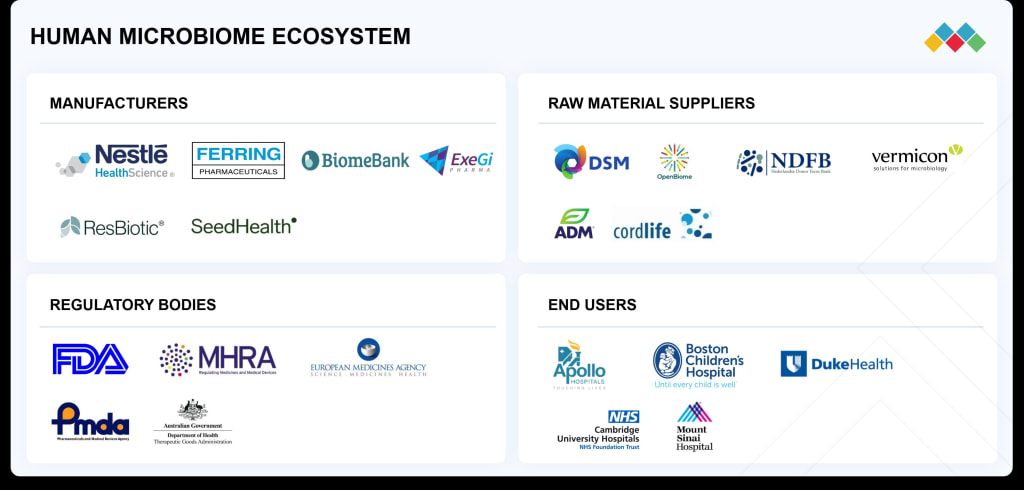
The global human microbiome market is experiencing unprecedented growth, projected to reach USD 7.09 billion by 2031 from USD 1.40 billion in 2025, representing a remarkable compound annual growth rate (CAGR) of 31.0% throughout the forecast period. This explosive expansion reflects the increasing recognition of the critical role that microorganisms play in human health and disease management, opening new frontiers in personalized medicine, therapeutics, and preventive healthcare.
Download PDF Brochure of Human Microbiome Market
The human microbiome represents the collective genetic material of diverse microorganisms residing within the human body, collectively known as the metagenome. This complex ecosystem includes bacteria, fungi, protozoans, non-living viruses, and various single-celled organisms that fundamentally influence human physiology. These microorganisms play crucial roles in metabolic processes, immune function, and overall health maintenance, making them a focal point for medical research and therapeutic innovation.
Market Dynamics and Growth Drivers
The remarkable growth trajectory of the human microbiome market is fueled by several key factors. Collaborative initiatives between research organizations and academic institutions are accelerating the development of novel microbiome-based products and therapies. These partnerships are unlocking new insights into the complex relationships between microbial communities and human health, translating basic research into practical clinical applications.
The proliferation of startups and small-to-medium enterprises (SMEs) dedicated to microbiome therapeutics is significantly contributing to market expansion. These innovative companies are bringing fresh perspectives and agile approaches to product development, creating diverse solutions that address a wide range of health conditions including diabetes, obesity, cancer, metabolic disorders, gastrointestinal diseases, neurological conditions, central nervous system disorders, and autoimmune diseases.
Comprehensive Market Segmentation
Product Categories Driving Innovation
The market encompasses three primary product segments: drugs, supplements, and diagnostics. Currently, supplements dominate the market landscape due to their widespread availability and consumer accessibility. However, drugs and diagnostics are experiencing accelerated growth momentum, driven by extensive ongoing clinical trials and the advancement of personalized medicine approaches that promise more targeted and effective interventions.
Diverse Therapeutic Modalities
Key product types include bacterial consortia transplant (BCT)/fecal microbiota transplant (FMT), live bacteria products, and other innovative formulations. FMT has emerged as a leader in clinical applications, particularly for treating recurrent infections and restoring healthy gut microbiota balance. Meanwhile, live bacteria products are increasingly utilized in dietary supplements and therapeutic interventions, offering convenient and effective solutions for maintaining microbiome health.
Broad Application Spectrum
The human microbiome market addresses multiple therapeutic areas, with applications spanning infectious diseases, gastrointestinal diseases, endocrine and metabolic disorders, and other conditions including dermatology, dental health, and reproductive health. Gastrointestinal diseases command the largest market share, reflecting the fundamental importance of gut microbiota in digestive health, metabolic function, and overall wellness.
Administration Routes and Patient Accessibility
Microbiome-based drugs and supplements are delivered through various routes of administration, including oral, rectal, and other specialized methods. Oral administration maintains market dominance due to its convenience, non-invasive nature, and high patient compliance rates. Rectal administration remains critical for targeted gastrointestinal therapies requiring direct delivery to specific intestinal regions.
End-User Landscape
Hospitals and clinics represent the primary end-use segment, driven by increasing adoption of microbiome-based therapies in clinical settings. Long-term care facilities and other channels including retail pharmacies, online platforms, and health stores are expanding market reach, making microbiome products more accessible to diverse patient populations.
Service Infrastructure Supporting Growth
The market's service sector encompasses strain development and optimization, fermentation and downstream processing, formulation and fill/finish capabilities, and supporting services such as analytical testing, quality control, and sequencing. The fermentation and downstream processing segment plays a crucial role in enabling large-scale commercialization of microbiome products, ensuring consistent quality and scalability.
Technological Innovations Reshaping the Industry
The human microbiome market is being transformed by breakthrough technological advancements that are creating new revenue streams and expanding therapeutic possibilities. Advanced sequencing methods including 16S rRNA sequencing, nanopore technology, and whole-genome sequencing are accelerating microbiome research and therapeutic development. These sophisticated technologies provide precise microbial profiling capabilities, uncovering complex relationships between microbiota composition and health outcomes.
Emerging approaches such as phage therapy, engineered microbial consortia, and CRISPR-based editing are opening unprecedented opportunities for targeted interventions. These innovations enable researchers and clinicians to develop highly specific treatments for infectious diseases, metabolic disorders, and immune-related conditions, moving beyond one-size-fits-all approaches toward truly personalized medicine.
Market Challenges and Opportunities
Despite robust growth prospects, the human microbiome market faces several significant challenges. The commercialization of microbiome drugs requires substantial investment due to high development costs, complex Good Manufacturing Practice (GMP) requirements, and specialized handling protocols for live organisms. Establishing current GMP (cGMP) facilities, ensuring batch-to-batch consistency, and conducting lengthy clinical trials with uncertain outcomes present considerable financial risks.
Additionally, market adoption faces hurdles including limited awareness among patients and healthcare providers, inconsistent clinical evidence across different products, and variability in product quality standards. High treatment costs, regulatory uncertainties, and the need for personalized therapeutic approaches further complicate mainstream healthcare integration.
However, these challenges are counterbalanced by extraordinary opportunities. The growing shift toward personalized medicine represents a transformative opportunity for the human microbiome market. By tailoring treatments based on individual microbiome profiles, personalized therapies enable targeted disease prevention and management with enhanced efficacy and reduced adverse effects.
Regional Growth Patterns
The Asia Pacific region is expected to experience the highest growth rate during the forecast period, fueled by increasing awareness of microbiome health importance, emerging healthcare and biotechnology industries, substantial government support, and significant funding potential for personalized medicine initiatives in countries such as China, India, and Japan.
Industry Leadership and Innovation
The human microbiome market features a diverse ecosystem of established pharmaceutical companies, innovative biotechnology firms, and specialized microbiome-focused enterprises. Leading players include Seres Therapeutics, Ferring B.V., BiomeBank, Seed Health Inc., International Flavors & Fragrances Inc., Pendulum, BioHM Health Inc., Actial Farmaceutica SRL, OptiBiotix Health Plc, Resbiotic, Infinant Health Inc., BioGaia, ExeGi Pharma LLC, Maat Pharma, Finch Therapeutics Group Inc., and Infant Bacterial Therapeutics AB.
Future Outlook
The human microbiome market stands at the forefront of healthcare innovation, representing a transformative field that promises to reshape disease prevention, diagnosis, and treatment paradigms. With continued investments in clinical research, supportive regulatory frameworks, and growing consumer demand for natural and preventive health solutions, the microbiome sector is positioned to deliver breakthrough therapeutic options that address some of humanity's most challenging health conditions.
As scientific understanding deepens and technological capabilities expand, the human microbiome market will continue its trajectory as a cornerstone of next-generation healthcare, offering hope for improved patient outcomes across a broad spectrum of diseases and conditions.
For more information about the human microbiome market, please contact your healthcare provider or visit reputable medical research institutions.
About the Creator
Keep reading
More stories from Juan Martinez and writers in Journal and other communities.
United States Ultrasound Market Poised for Substantial Growth by 2030
The global ultrasound market has demonstrated remarkable resilience and growth potential, with market valuations climbing from $8.65 billion in 2023 to $9.32 billion in 2024. Industry analysts project the market will advance at a robust compound annual growth rate (CAGR) of 6.8% from 2024 to 2030, culminating in a forecasted valuation of $13.87 billion by the end of the projection period.
By Juan Martinez3 months ago in Journal
The goals I did not achieve
Every writing goal I made for the year is a wash. It has been this way for a while, but I think it's important to be open about my failures and the reality of how life can get in the way. This is especially true considering the several times I have posted on Vocal about my writing goals, how I was changing my approach, and where I was hoping to be for the upcoming year. I will probably do that again in a couple months, but for now, it is time to acknowledge where I am today.
By Kay Husnick24 days ago in Journal
What I Noticed When Light Stopped Feeling Sharp
I never would have described the light around me as a problem. It was bright enough. Clean. Modern. Exactly what you expect in a well designed indoor space. If someone had asked me whether the lighting felt uncomfortable, I probably would have said no.
By illumipure3 days ago in Journal




Comments
There are no comments for this story
Be the first to respond and start the conversation.