
United States Bottled Water Market to Reach $79.08 Billion by 2033, Driven by Health Awareness and Sustainable Packaging Trends
Premium, Functional, and Eco-Friendly Bottled Water Options Transform U.S. Beverage Consumption

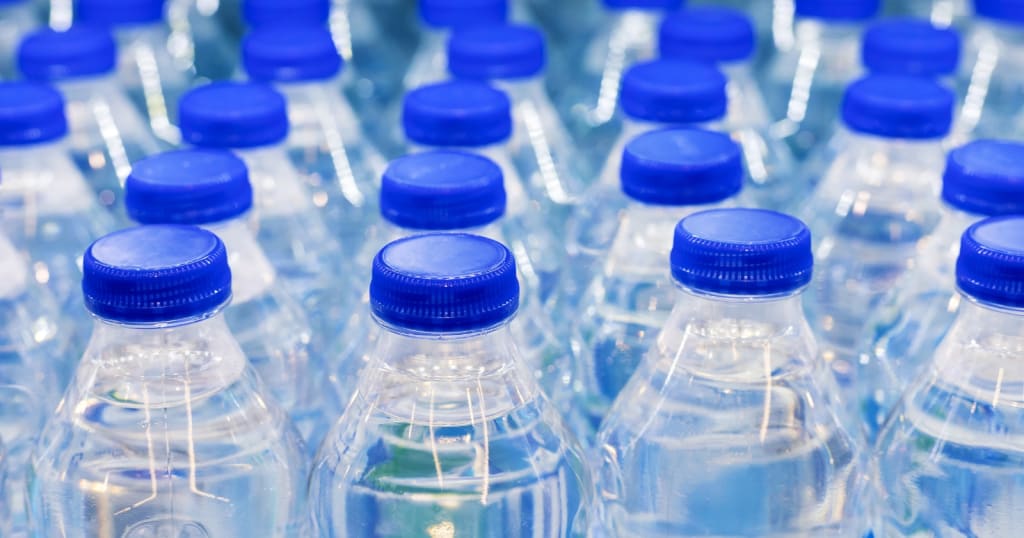
United States Bottled Water Market Overview
According to Renub Research Project Report United States bottled water market has witnessed steady growth in recent years and is poised for accelerated expansion. Valued at US$ 45.82 billion in 2024, the market is projected to reach US$ 79.08 billion by 2033, registering a CAGR of 6.27% during 2025–2033. Bottled water is recognized as a safe, convenient, and hygienic hydration option, with consumption rising across households, workplaces, fitness centers, travel locations, and the hospitality industry.
Bottled water comes in various types including spring water, purified water, mineral water, sparkling water, and functional varieties, packaged in PET bottles, cans, or glass. Consumers increasingly prefer bottled water over sugary beverages due to health consciousness, safety concerns about tap water, and convenience, fueling the growth of both premium and standard bottled water products.
1. Rising Health Consciousness
Health awareness among American consumers is a key driver for bottled water sales. Increased fitness culture, nutritional consciousness, and concerns over obesity and diabetes have shifted consumer preference toward low-calorie, sugar-free, and mineral-enriched beverages. Bottled water is perceived as a clean and safe source of hydration, particularly in regions where tap water quality is a concern.
Innovations such as electrolyte-enhanced, pH-balanced, and flavored bottled water are gaining traction, appealing to consumers seeking both functionality and taste. For instance, in June 2024, Alabama Mineral Springs LLC launched a $6 million mineral water plant, highlighting the market’s expansion toward health-focused premium products sourced from natural springs.
2. Growing Demand for Eco-Friendly Packaging
Sustainability concerns are reshaping the U.S. bottled water market. Consumers and regulators are increasingly focused on plastic waste reduction and environmental impact, leading to higher adoption of recyclable, reusable, and biodegradable packaging. Companies are innovating with plant-based plastics, aluminum cans, and recycled PET bottles to minimize their ecological footprint.
For example, in October 2023, Chlorophyll Water introduced 100% recycled PET (rPET) bottles, combining sustainability with innovative labeling technology. This trend highlights the growing intersection between consumer demand for green products and brand differentiation in a competitive market.
3. Convenience and On-the-Go Consumption
The fast-paced American lifestyle has increased the demand for portable, single-serve bottled water products. Convenience stores, vending machines, gas stations, airports, and retail outlets serve as key distribution channels. Consumers are increasingly seeking ready-to-drink functional water, including options that are vitamin-enriched, energy-enhancing, and immunity-boosting, meeting evolving lifestyle needs.
In February 2025, Mineragua launched a 12-pack of sparkling water bottles, providing an eco-friendly and practical solution for family use, on-the-go hydration, and home stocking, illustrating the industry’s response to consumer convenience trends.
Market Challenges
1. Environmental Concerns and Plastic Waste
Single-use plastic bottles have attracted scrutiny due to environmental pollution. The U.S. has seen increasing regulations and bans on single-use plastics, which pressure manufacturers to adopt sustainable alternatives. Transitioning to green packaging raises production costs and requires investments in recyclable PET, aluminum cans, and biodegradable materials.
2. Competition from Filtration and Reusable Solutions
The rising adoption of home water filtration systems, reusable bottles, and intelligent hydration devices threatens bottled water consumption. Institutions, offices, and public spaces are increasingly offering refill stations and bulk water solutions, prompting bottled water companies to innovate with functional beverages, premium branding, and sustainable packaging to maintain market share.
Bottled Water Types and Market Segments
1. Spring Water
Spring water is derived from natural underground sources, often rich in minerals. In the U.S., it is favored for its perceived purity, fresh taste, and natural health benefits. Premium spring water brands emphasize low processing and eco-friendly packaging to appeal to health-conscious consumers. The market growth is further supported by increasing demand for premium bottled water positioning and green branding.
2. Purified Water
Purified water undergoes reverse osmosis, distillation, or filtration, removing impurities and offering a neutral taste. It is widely consumed due to health awareness and safety concerns over tap water. Purified water brands focus on quality control, affordability, and packaging innovation, catering to the mass-market segment while also targeting premium consumers with functional variants.
3. Mineral Water
Mineral water is rich in naturally occurring minerals like calcium, magnesium, and potassium, providing added health benefits. Its premium status attracts affluent and health-conscious consumers seeking functional beverages with electrolytes. Mineral water’s growth is supported by premium positioning, sustainability initiatives, and brand recognition.
4. Sparkling Water
Sparkling water offers carbonation and flavor options, appealing to consumers looking for healthier alternatives to soft drinks. The segment has seen rapid adoption in urban areas and among younger demographics, especially with flavored and functional sparkling water variants.
Packaging Insights
1. PET Bottles
PET bottles dominate the U.S. bottled water market due to their lightweight, cost-effectiveness, and durability. They are commonly used in retail, vending machines, and multi-pack offerings. Increasing consumer awareness regarding plastic waste has led to recycled PET (rPET) usage and biodegradable options. Despite environmental concerns, PET remains preferred due to its convenience and affordability.
2. Cans
Canned water is gaining popularity as a sustainable alternative to plastic, with aluminum being fully recyclable. Brands are introducing premium and flavored water in cans, targeting younger, eco-conscious consumers. Initiatives like Sky Wtr (July 2024), a solar-powered, off-grid canned water product, exemplify innovations in eco-friendly packaging and alternative hydration solutions.
Distribution Channels
1. Convenience Stores
Convenience stores are pivotal in the bottled water market, offering single-serve bottles for on-the-go consumption. Locations such as gas stations, urban kiosks, and transit points drive frequent purchases, and contactless payment, grab-and-go zones, and digital vending are further enhancing sales.
2. Grocery Stores and Supermarkets
Supermarkets are the primary distribution channel for multi-pack and bulk bottled water, catering to home consumption, events, and family needs. In-store promotions, private-label products, and integration with online platforms contribute to consumer purchases. The demand for organic, alkaline, and functional water drives innovation within supermarkets.
3. On-Trade and Off-Trade Channels
Hotels, restaurants, and catering services represent on-trade distribution, while off-trade includes retail purchases at grocery stores, convenience stores, and vending machines. Both channels contribute to market growth, with premium bottled water offerings increasingly featured in hospitality settings.
Regional Insights
West United States
California, Nevada, and Washington exhibit strong demand for premium, alkaline, and functional water. Hot climates, outdoor lifestyles, and sustainability initiatives drive bottled water consumption. Regulatory actions against single-use plastics further promote recyclable and biodegradable packaging adoption.
East United States
New York, Florida, and Washington D.C. show high demand for on-the-go and premium water products, with urban centers, corporate hubs, and tourist attractions fueling consumption. Eco-friendly packaging and purified water variants appeal to health-conscious urban consumers.
North United States
Illinois, Michigan, and Minnesota experience seasonal demand, peaking in summer, during sporting events, and outdoor activities. Bulk packaging, sustainable brands, and flavored water innovations are gaining popularity in this region.
South United States
Southern states show steady bottled water consumption due to warm climates and active outdoor lifestyles. Convenience and accessibility through retail chains, supermarkets, and vending units drive sales. The growth of functional and flavored water is also noticeable in urban centers and tourist destinations.
👉 For deeper analysis, detailed segment data, and company insights: 🔗 Request Customization Report
The U.S. bottled water market is dominated by multinational and domestic companies investing in premium products, sustainability initiatives, and technological innovations:
Nestlé – Offers spring, purified, and mineral water with global distribution.
The Coca-Cola Company – Bottled water brands include Dasani and smartwater, emphasizing functional and flavored water.
PepsiCo – Aquafina leads with purified and flavored bottled water products.
Danone – Offers premium and mineral water with an emphasis on sustainability.
Primo Water Corporation – Focuses on functional and refillable water solutions.
FIJI Water Company LLC – Premium imported water emphasizing natural spring sources.
Gerolsteiner Brunnen GmbH & Co. KG – Mineral water with high mineral content and health positioning.
VOSS Water – Premium, imported bottled water in distinctive packaging.
Nongfu Spring – Functional and flavored bottled water targeting health-conscious consumers.
These players focus on innovative packaging, sustainability, premium positioning, and market expansion to maintain competitiveness.
Market Outlook
The U.S. bottled water market is expected to maintain strong growth through 2033, fueled by:
Rising health awareness and fitness trends.
Growing adoption of sustainable packaging and eco-friendly materials.
Expanding demand for premium, functional, and flavored water.
Rising convenience-driven consumption across urban areas and travel locations.
Integration of bottled water offerings across retail and hospitality channels.
With these trends, bottled water will remain a prominent segment of the U.S. beverage industry, with companies continuing to innovate in product differentiation, packaging, and distribution.
Conclusion
The United States bottled water market is a dynamic segment shaped by health trends, sustainability initiatives, and convenience-driven lifestyles. As the market moves toward US$ 79.08 billion by 2033, consumer preferences for premium, functional, and eco-friendly water solutions will redefine the competitive landscape. Companies investing in innovation, sustainable practices, and advanced distribution channels are poised to capture significant market share and ensure long-term growth in the evolving beverage market.
Note: If you need details, data, or insights not covered in this report, we are glad to assist. Through our customization service, we will collect and deliver the information you require, tailored to your specific needs. Share your requirements with us, and we will update the report to align with your expectations.
About the Creator
Diya Dey
Market Analyst
The goals I did not achieve
Every writing goal I made for the year is a wash. It has been this way for a while, but I think it's important to be open about my failures and the reality of how life can get in the way. This is especially true considering the several times I have posted on Vocal about my writing goals, how I was changing my approach, and where I was hoping to be for the upcoming year. I will probably do that again in a couple months, but for now, it is time to acknowledge where I am today.
By Kay Husnick16 days ago in Journal
Character AI Alternatives with No NSFW Filter or Censorship
Character AI is unarguably one of the most trustworthy AI-powered platforms that allows you to establish meaningful relationships with AI-powered companions. However, the platforms have strict NSFW restrictions, forcing users to search for an alternative.
By Intelligent Creator5 days ago in Journal


Comments
There are no comments for this story
Be the first to respond and start the conversation.