
Understanding the Differences Between Contactors and Control Relays
Contactors & Overload Relays


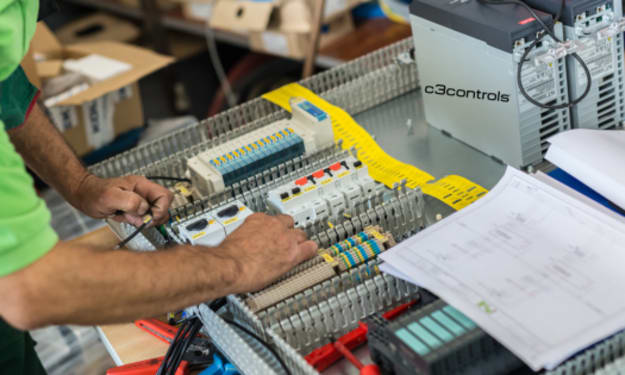
In the realm of electrical engineering, contactors and relays are critical components used to control various electrical circuits. Though they share similarities in function and design, their applications, capabilities, and specifications differ significantly. Understanding these differences is essential for anyone involved in electrical systems, from engineers to hobbyists.
What is a Contactor?
An electrical contactor is a robust switch used primarily to control high-power devices. Typically found in industrial and commercial settings, contactors handle heavy electrical loads, often switching on and off motors, transformers, and other high-power equipment. Their design is focused on reliability and durability, ensuring they can manage substantial electrical currents without failure.
Key Features of Electrical Contactors:
- High Current Handling: Electrical contactors are built to handle high currents, often up to hundreds or even thousands of amperes.
- Arc Suppression: Due to the high currents involved, contactors are designed with mechanisms to suppress electrical arcs, which can damage the contacts and pose a safety risk.
- Durability: Contactors are made from materials and components that can withstand frequent switching and harsh operating conditions.
- Auxiliary Contacts: Many contactors come with auxiliary contacts that provide additional functionality, such as signaling other parts of the control system.
Applications of Electrical Contactors:
- Motor Control: One of the primary uses of electric contactors is to switch electric motors on and off. This includes applications in HVAC systems, pumps, and conveyor systems.
- Lighting Control: Contactors are also used in large lighting installations where multiple lighting circuits need to be controlled simultaneously.
- Heating Systems: In industrial settings, contactors control heating elements in processes that require precise temperature management.
What is a Control Relay?
A control relay, on the other hand, is designed for lower power applications. Control relays are used to switch smaller electrical loads and are commonly found in control circuits that manage other devices and systems. They are essential in automation, signaling, and various control processes in both residential and industrial settings.
Key Features of Control Relays:
- Low Current Handling: Control relays typically handle lower currents, often in the range of milliamperes to a few amperes.
- Compact Design: Due to their application in control circuits, control relays are generally smaller and more compact compared to contactors.
- Versatility: Control relays come in various types, including electromagnetic relays, solid-state relays, and reed relays, each suitable for different applications.
- Signal Isolation: Relays provide electrical isolation between the control circuit and the load, enhancing safety and protecting sensitive control components from high voltages.
Applications of Control Relays:
- Automation Systems: Control relays are integral in automation systems, where they control the operation of other devices based on input signals.
- Signaling: In various signaling applications, such as traffic lights and alarm systems, control relays ensure the proper functioning of signals.
- Home Automation: Control relays are used in smart home systems to manage lighting, heating, and security systems.
Key Differences Between Contactors and Control Relays
While both contactors and control relays serve as switches in electrical circuits, their differences lie in their intended applications and design specifications.
- Current Handling Capacity: The most significant difference is their current handling capacity. Electrical contactors are designed for high-power applications, whereas control relays are meant for lower power, control-oriented tasks.
- Design and Construction: Contactors are built to withstand high currents and frequent switching, making them larger and more durable. Control relays, being designed for lower power, are more compact and versatile.
- Application Scope: Contactors are primarily used in industrial and commercial settings for controlling large electrical loads. In contrast, control relays find applications in both industrial and residential settings, especially in automation and control systems.
- Auxiliary Functions: While both can have auxiliary contacts, contactors often include more robust auxiliary functions to handle the demands of industrial environments.
Choosing Between Contactors and Control Relays
Selecting between a contactor relay and a control relay depends on the specific requirements of the application. Here are some guidelines to help make the right choice:
- Evaluate the Load: Determine the electrical load that needs to be controlled. For high-power applications such as motors and industrial equipment, an electrical contactor is the appropriate choice. For lower power control circuits, a control relay will suffice.
- Consider the Environment: Assess the operating environment. Contactors are better suited for harsh industrial environments, while control relays are ideal for more controlled settings.
- Frequency of Operation: If the application requires frequent switching, contactors are designed to handle this without significant wear. Control relays, while capable, may not offer the same level of durability under constant operation.
- Space Constraints: For applications with limited space, control relays offer a more compact solution compared to the bulkier contactors.
Conclusion
Understanding the differences between contactors and relays is crucial for selecting the right component for your electrical system. While both play essential roles in controlling electrical circuits, their distinct features and applications mean that choosing the right one can greatly impact the efficiency, safety, and reliability of your setup.
Whether you're dealing with high-power industrial equipment or intricate control circuits, knowing when to use a control relay versus an electrical contactor ensures your system operates smoothly and effectively.
About the Creator
Jason Sky
Hey, I am Jason Sky, and I'm an electrical engineer with over a decade of experience in the field. I'm proud to say that I've played a key role in many significant projects over the years.
How Technology Is Redefining Real Estate
The real estate industry has long been considered traditional, slow-moving, and heavily dependent on manual processes. Buying, selling, renting, or managing property often involved paperwork, middlemen, and long waiting periods. However, the digital age has brought a dramatic shift. Today, technology is not just supporting real estate—it is transforming it from the ground up.
By darrendemers127 days ago in Journal
📢 Raise Your Voice Thread: 01/22/2026
Our “Raise Your Voice Threads” are hosted most alternating Thursdays at 12PM ET to offer creators more avenues to uncover exceptional stories on Vocal. As we are continuously searching for fresh creators and inspiring stories, this thread provides an opportunity to exchange and discuss the stories that have moved and motivated us on Vocal.
By Raise Your Voice by Vocal6 days ago in Resources



Comments
There are no comments for this story
Be the first to respond and start the conversation.