
Understanding Kamala Harris’s Loss in the 2024 U.S. Presidential Election: Influential Factors and Insights
Delayed Start in the Presidential Campaign
Introduction
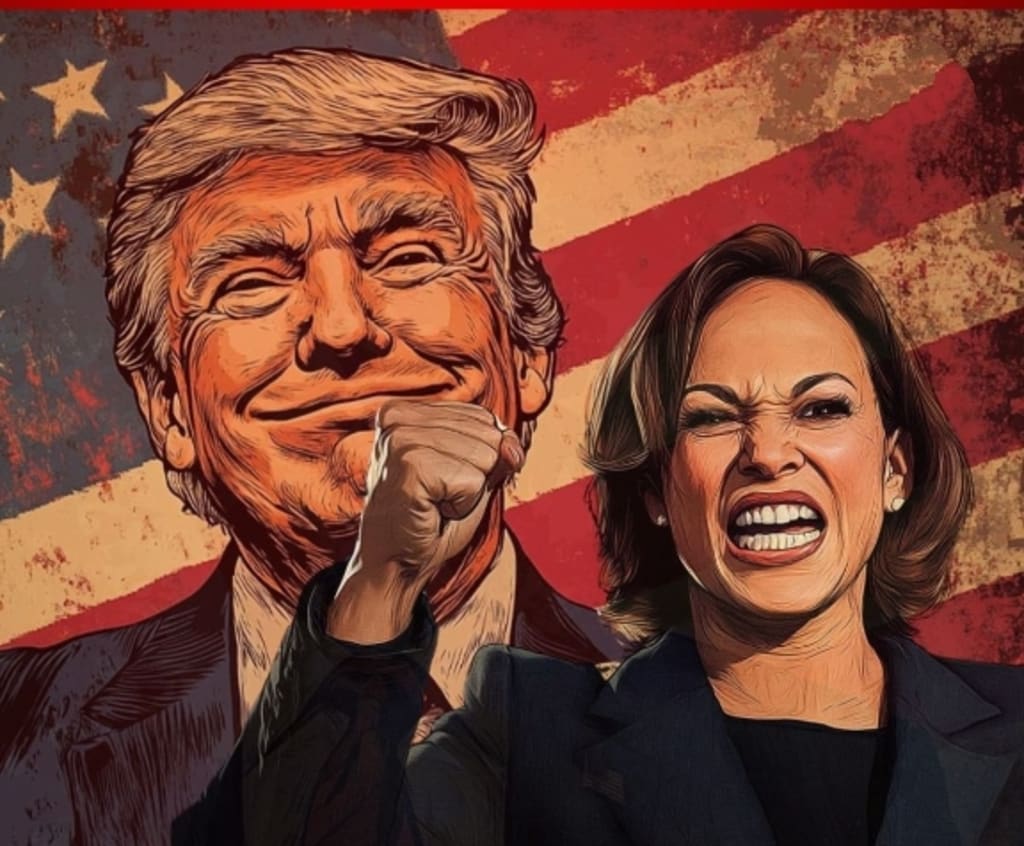
The 2024 U.S. Presidential Election delivered unexpected results, with sitting Vice President Kamala Harris losing to former President Donald Trump. Despite her campaign's emphasis on change and dedication to democratic ideals, Harris encountered several obstacles that led to her defeat. This analysis delves into five major factors contributing to her loss, examining campaign challenges and implications for the Democratic Party and U.S. politics.
1. Delayed Start in the Presidential Campaign
Kamala Harris’s presidential bid began in July 2024 after President Biden's sudden exit. Though she gathered enough delegate backing to secure the Democratic nomination, her late entry put her at an initial disadvantage. Unlike other contenders with extensive lead times to build their campaigns, Harris had to quickly establish a robust infrastructure and engage voters on a compressed timeline.
This delay required her team to accelerate efforts in developing outreach, forming a reliable supporter network, and managing logistical challenges. Presidential campaigning necessitates substantial planning, coordination, and voter engagement. Harris’s limited timeframe for such crucial steps meant her campaign wasn't entirely prepared to handle the demands of a national contest, thereby limiting her capacity to forge meaningful voter connections essential for trust and loyalty.
The lesson from her delayed start is clear: modern political campaigns need a solid foundation. Establishing support networks and communication channels early is critical, as delays can adversely affect voter perceptions and campaign effectiveness.
2. Difficulties in Unifying the Democratic Party
A significant obstacle for Harris was the challenge of consolidating the Democratic Party. Increased divisions within the party, particularly between progressive and moderate factions, proved challenging for her campaign to navigate, leading to weakened support.
Progressives viewed Harris’s policies as too moderate and lacking commitment to their reforms, while moderates perceived her as leaning towards progressive ideals, suggesting she was attempting to appeal to all sides without strong allegiance to any. This perception resulted in ambivalence among Democratic voters, diluting her campaign's focus and making it hard to deliver a unified message.
Harris’s experience highlights the necessity of party unity in elections, especially for Democrats. In tightly contested races, presenting a united front may determine success. Her inability to solidify her support led to entering the election fractured, a disadvantage when competing against an organized rival like Trump.
3. Challenges in Countering Trump’s Media Strategy
Media strategy remains a pivotal element in U.S. elections. Donald Trump maintained a significant media presence, effectively steering public discourse throughout the campaign. Conversely, Harris’s media strategy didn’t achieve the same level of impact or effectively counter Trump’s dominating influence.
Trump’s media approach involved constant engagement through traditional and social platforms, often using controversial and eye-catching methods to direct the narrative. Harris’s campaign failed to establish a comparable presence, hindering their ability to control public conversations or construct a persuasive counter-narrative.
Her limited media penetration restricted her ability to reach voters, particularly those reliant on media for electoral information. In today's media-centric environment, candidates require a powerful strategy to engage proactively with the electorate on active platforms. Harris’s team faced challenges in matching a media-savvy adversary.
4. Narrow Appeal to Critical Demographics
Harris’s defeat was also influenced by her limited appeal to critical demographics, namely suburban and rural voters. Though her campaign advocated for a more inclusive America, her message didn't resonate strongly with groups vital to election outcomes.
Suburban and rural voters often focus on issues like economic stability, local employment, and conservative values, areas where Trump’s narrative appeared more persuasive. Despite efforts to convey her stance, Harris’s policies insufficiently connected with these demographics, leading to a view that her appeal was more urban-centric.
With suburban and rural votes crucial, especially in swing states, lacking sufficient support from these groups weakened Harris’s prospects significantly in key battlegrounds. Understanding and addressing diverse demographic needs to form a comprehensive campaign strategy is crucial.
5. Underestimating Trump’s Ground Game
Harris’s campaign potentially underestimated Trump’s effective voter mobilization efforts. Trump’s team illustrated strong grassroots organizational skills, engaging voters directly and motivating Election Day turnout.
Close elections rely heavily on ground operations to personally connect with voters and drive turnout. Trump’s approach excelled in swing states, where grassroots initiatives can influence outcomes. Meanwhile, Harris’s campaign didn’t match this level of grassroots infrastructure, limiting the ability to mobilize potential supporters effectively.
The takeaway is that robust ground operations are essential to capture votes, particularly in variable allegiance regions. A dedicated team capable of reaching voters directly can significantly influence by addressing concerns and encouraging participation. Greater emphasis on grassroots efforts, particularly in critical states, could have benefited Harris’s campaign.
Conclusion
Kamala Harris’s 2024 election loss stemmed from a blend of strategic, organizational, and communicative challenges. From starting late to difficulties in party unity, ineffective media strategy, limited demographic appeal, and underestimating Trump’s ground operations, she faced numerous barriers impacting her campaign’s prospects.
This election underscores the intricacies of modern U.S. politics, emphasizing strategic planning, party solidarity, and adaptability. The Democratic Party must address these issues to improve future campaigns by connecting with a diverse electorate, developing strong media strategies, and enhancing grassroots operations.
The election's outcome might also influence both parties as they adjust to evolving political dynamics where voter behavior, media influence, and ground operations shape paths to political success.
About the Creator
Keep reading
More stories from writers in Journal and other communities.
Prince Harry Addresses UK Tabloid Lawsuit in Viral Courtroom Moment Why the World Is Watching
Prince Harry, Duke of Sussex, has once again found himself at the center of global attention after delivering a highly emotional and widely shared courtroom testimony in his ongoing legal battle against sections of the UK tabloid press. Within hours, clips, quotes, and headlines from the courtroom dominated news feeds, Google searches, TikTok explainers, and social media timelines across both the United States and Europe.
By Omasanjuwa Ogharandukun6 days ago in Journal



Comments (1)
This is a well thought out article. Good work. It was a close race, but I do not think the US is still not ready for a woman President.