
Uncover the Mystery of the Annapurna Trek - A Life-Changing Adventure
Discover Nepal’s Majestic Heartbeat Through the Trails of Annapurna


Introduction
Imagine stepping into a painting—snowcapped peaks, peaceful villages, colorful prayer flags fluttering in the wind, and trails that whisper tales of centuries past. That’s exactly what the Annapurna Trek feels like. Nestled in the heart of Nepal, this trek is more than just a hiking route. It's a soul-stirring adventure for every traveler, whether you're a seasoned trekker or a curious explorer.
But what makes it so special? Let’s dive into this guide and explore why the Annapurna Trek is one of the most beloved hiking experiences in the world.
1. What is the Annapurna Trek?
The Annapurna Trek refers to a network of hiking trails located in the Annapurna region of Nepal. This area is home to Annapurna I, the 10th highest mountain in the world, along with several other majestic peaks.
The trails pass through scenic villages, terraced fields, lush forests, and high mountain passes. Each step you take offers jaw-dropping views and new cultural experiences.
2. Why is it So Popular?
Think of the Annapurna Trek like a buffet for nature lovers—you get a little bit of everything! From green hills to icy glaciers, from dense rhododendron forests to arid highlands, the variety is unmatched.
Highlights include:
- Incredible mountain views
- Unique cultural interactions
- A wide range of route options
- Good infrastructure with tea houses and lodges
Plus, it’s accessible and customizable, making it a favorite among first-time trekkers and pros alike.
3. Best Time to Do the Annapurna Trek
Timing can make or break your experience. Luckily, Annapurna is trekker-friendly for most of the year.
Best Seasons:
- Autumn (Sept to Nov): Clear skies, perfect temperatures
- Spring (Mar to May): Blooming rhododendrons, moderate weather
Off Seasons:
- Winter (Dec to Feb): Cold, but fewer crowds
- Monsoon (June to Aug): Rainy, muddy, leeches—not recommended
So, pack your boots for autumn or spring to get the most out of the adventure!
4. Major Annapurna Trek Routes
Not all treks are created equal, and the Annapurna region proves that with its multiple route options. Each offers something different.
Main Routes:
- Annapurna Circuit Trek
- Annapurna Base Camp (ABC) Trek
- Ghorepani Poon Hill Trek
- Mardi Himal Trek
- Khopra Danda Trek
Whether you want a short 4-day hike or a 3-week epic journey, there’s something for you.
5. Annapurna Circuit Trek
Often dubbed as the classic Himalayan trek, the Annapurna Circuit Trek circles the entire Annapurna range. It covers around 160-230 km, depending on where you start and end.
What makes it epic?
- Crossing the Thorong La Pass (5,416m)
- Dramatic changes in landscapes
- Walking through Buddhist villages and Hindu temples
It’s a trek that offers a complete package—adventure, spirituality, and scenery all rolled into one.
6. Annapurna Base Camp Trek
Want to get up close and personal with Annapurna I? The Annapurna Base Camp Trek is your path. It's shorter than the circuit and leads you to the foot of the mighty mountain.
Route Features:
- Walk through forests, rivers, and valleys
- Reach Annapurna Sanctuary at 4,130m
- Ideal for those with moderate fitness
It’s like being in a giant amphitheater of snow and silence.
7. Poon Hill Trek
Short on time? The Poon Hill Trek is perfect for a quick Himalayan experience. It usually takes 3–5 days.
Why choose it?
- Incredible sunrise views over Annapurna and Dhaulagiri ranges
- Comfortable tea houses and well-paved trails
- Great for beginners and families
Poon Hill is like the teaser trailer of the full Himalayan movie—it leaves you wanting more.
8. Difficulty Level and Fitness
You don’t need to be an ultra-marathon runner, but some level of fitness helps. The trails vary from easy to challenging.
Fitness Tips:
- Start walking or hiking regularly a month before
- Build leg strength and cardio
- Listen to your body during the trek
Remember, it’s not a race—it’s a journey.
9. Permits and Regulations
Before hitting the trail, you’ll need to get a few permits:
- TIMS Card (Trekkers’ Information Management System)
- ACAP Permit (Annapurna Conservation Area Project)
- You can get these in Kathmandu or Pokhara. Most trekking agencies also arrange them for you. Keep them handy—checkpoints will ask!
10. Packing Essentials for the Trek
A well-packed bag is your best friend on the trail. Don’t overpack, but don’t under-pack either.
Must-Haves:
- Quality trekking boots
- Layered clothing (weather changes fast)
Sleeping bag
- Water purification tablets
- Snacks, sunscreen, and a hat
First-aid kit
Think of your backpack like a travel buddy—it should support you, not drag you down.
11. Accommodation and Food on the Trail
The Annapurna region has excellent tea house infrastructure. These small lodges provide basic rooms, usually with twin beds and shared bathrooms.
Meals include:
- Dal Bhat (lentils and rice) – a trekker's fuel
- Momos (dumplings)
- Fried rice, pasta, porridge
- Ginger lemon honey tea—perfect after a cold day!
It’s no five-star luxury, but it’s warm, filling, and part of the adventure.
12. Culture and Local Communities
Walking through the Annapurna region is like flipping through a living storybook of Gurung, Thakali, and Magar cultures.
Cultural insights:
- Warm hospitality
- Unique architecture and monasteries
- Traditional dances and customs
Respecting local norms—like removing your shoes before entering homes—adds to your authentic experience.
13. Safety Tips and Altitude Awareness
Safety always comes first. While the trek is generally safe, altitude sickness can be a concern, especially above 2,500m.
Precautions:
- Ascend gradually
- Drink plenty of water
- Rest days are vital
- Know symptoms: headache, dizziness, nausea
If symptoms persist, descend immediately—mountains are majestic, but they demand respect.
14. Guided vs Independent Trekking
To guide or not to guide—that is the question. Both options have their pros and cons.
Guided Trek:
- Safer and more informative
- Logistics handled for you
- Support in emergencies
Independent Trek:
- More freedom and flexibility
- Budget-friendly
- Requires more preparation
First-timers often benefit from a guide, especially in remote sections.
15. Final Thoughts and Reflection
The Annapurna Trek isn’t just a trail—it’s a teacher. It teaches you patience, endurance, and appreciation for nature and culture. Whether you choose a short or long route, guided or solo, one thing is guaranteed: you’ll return richer in spirit.
As the mountains bid you farewell, you’ll realize you didn’t just explore Annapurna—you discovered a part of yourself.
FAQs about Annapurna Trek
1. How long does the Annapurna Trek take?
It depends on the route. The full Annapurna Circuit can take 15–20 days, while the Poon Hill Trek takes 3–5 days.
2. Is the Annapurna Trek suitable for beginners?
Yes! Especially shorter treks like Poon Hill and even ABC for moderately fit individuals.
3. Do I need a guide for the Annapurna Trek?
While not mandatory for all routes, guides are highly recommended for safety, cultural insight, and ease of navigation.
4. What is the cost of the Annapurna Trek?
It ranges from $500 to $2,000 depending on route, duration, and whether you're trekking independently or with a tour.
5. What is the altitude of Annapurna Base Camp?
Annapurna Base Camp is located at an elevation of 4,130 meters (13,550 feet).
About the Creator
Keep reading
More stories from Daily Blog and writers in Journal and other communities.
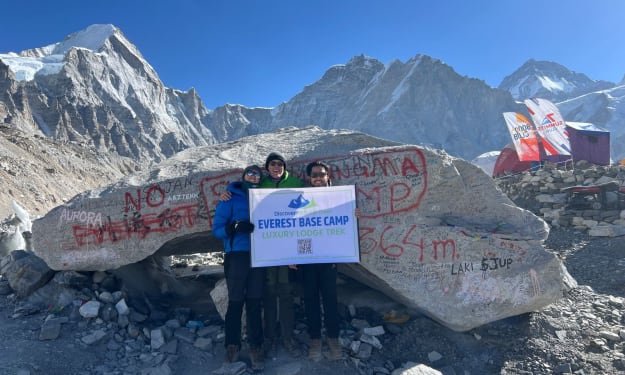
How to Trek Everest in Luxury: A Step-by-Step Guide
The Everest Base Camp Trek is one of the most iconic and sought-after trekking adventures in the world. However, while many trek to the base camp in a traditional and rugged style, there’s a growing trend for travelers who wish to experience this extraordinary journey in luxury. From five-star service to elite-level comfort, it is possible to trek the world's tallest mountain without sacrificing comfort. In this comprehensive guide, we will walk you through how to trek Everest in luxury, including what to expect, where to stay, and essential tips for your high-end adventure.
By Daily Blog7 months ago in Journal
The goals I did not achieve
Every writing goal I made for the year is a wash. It has been this way for a while, but I think it's important to be open about my failures and the reality of how life can get in the way. This is especially true considering the several times I have posted on Vocal about my writing goals, how I was changing my approach, and where I was hoping to be for the upcoming year. I will probably do that again in a couple months, but for now, it is time to acknowledge where I am today.
By Kay Husnick24 days ago in Journal
Why SEO Became the Quiet Salesperson Every Car Dealership Needs
I still remember the day our showroom was spotless, the cars were polished, and the sales team was ready—but hardly anyone walked in. It didn’t make sense at first. We had competitive pricing, trusted brands, and years of experience. Yet the phone barely rang. That moment forced me to confront a truth many car dealers avoid: buyers no longer start their journey on the lot. They start online.
By Anthony Rodgers5 days ago in Journal


Comments
There are no comments for this story
Be the first to respond and start the conversation.