
Ukrainian Girl Stabbed on Train: What We Know & Why It Matters
Ukrainian Girl Stabbed on Train: The Tragic Case of Iryna Zarutska

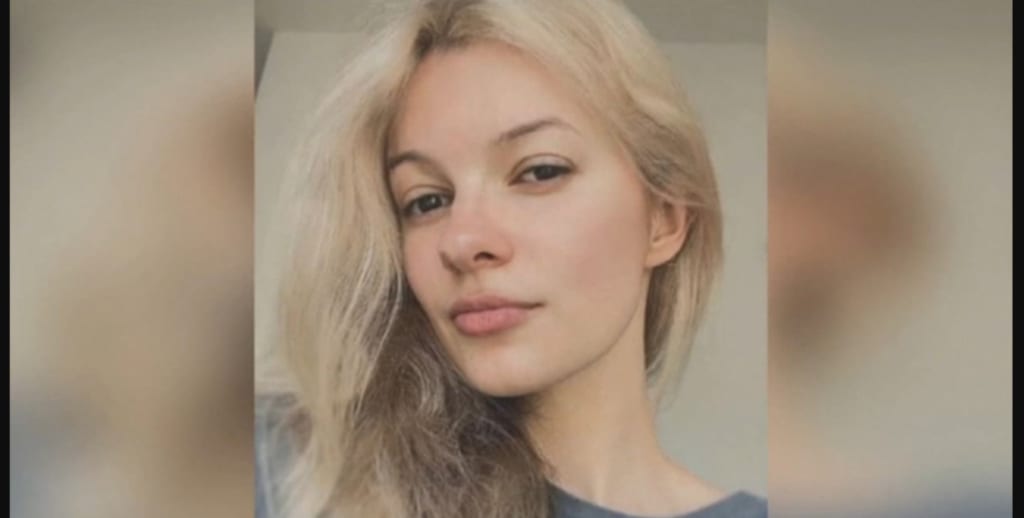
Iryna Zarutska, a Ukrainian refugee, was fatally stabbed on a Charlotte light-rail train. What we know, the impact, and questions raised about safety, justice, and mental health.
On August 22, 2025, a tragedy shook the Charlotte, North Carolina, transit system—and many around the world. That night, Iryna Zarutska, a 23-year-old Ukrainian refugee, was stabbed on a train in what authorities say was an apparently unprovoked attack. The news of the Ukrainian girl stabbed on train has sparked outrage, grief, and urgent questions about public safety, mental health, and how communities protect vulnerable people. This article dives into what happened, who was involved, what’s known so far, and why this case matters far beyond Charlotte.
Table of Contents
- Who Was Iryna Zarutska
- The Incident: What Happened on the Train
- The Suspect: Background & Charges
- Aftermath and Public Response
- Safety, Security, and Mental Health Questions Raised
- Broader Context & Political Reactions
- What Could Be Done Differently
- Remembering Iryna: Her Life & Legacy
1. Who Was Iryna Zarutska
Iryna Zarutska was a young woman who had fled Ukraine with her family in 2022, escaping the war after the invasion of her home country. She came with hope for a safer life and the chance to build something new. She had earned a degree in art and restoration in Kyiv. After arriving in the U.S., she lived in Charlotte, North Carolina. She was working at a local pizzeria and attending community college to improve her English. She dreamed of becoming a veterinary assistant. She was known to friends and family as hardworking, kind, and optimistic—someone who wanted peace after so much disruption in her homeland.
All this makes the news that a Ukrainian girl stabbed on train even more heartbreaking: someone who survived bombings, war, displacement, now in a place she thought would be safer, taken away in violence.
2. The Incident: What Exactly Happened on the Train
Here’s what is known as of now:
- On the evening of August 22, 2025, Iryna boarded the Lynx Blue Line light-rail train, part of Charlotte’s transit system. She sat in an aisle seat. A man, later identified as the suspect, was seated behind her. Surveillance video confirms there was no apparent interaction between them.
- Approximately four to five minutes after the train began moving, the suspect pulled out a folding knife. He stood up, unfolded the knife, paused, then stabbed Iryna three times, including at least one wound to her neck.
- After the attack, the suspect walked through the train car, removed his hoodie, and later exited at the next stop. The knife was recovered near the station platform. Passengers initially didn’t react immediately; some fled, others began to assist only once aware of the severity. Iryna was pronounced dead at the scene.
- The suspect was later arrested, treated for a minor injury, and charged with first-degree murder. He also faces federal charges: causing death on a mass transit system.
Because of the surveillance footage, the entire incident was made public, causing renewed concern in the community. Many are asking how such a violent act could occur in a train car, in a public transit system, without immediate intervention.
3. The Suspect: Background & Charges
The man accused of killing Iryna Zarutska is DeCarlos Brown Jr., aged 34. Key details:
- He has a long criminal history in Mecklenburg County, dating back to 2011. His record includes robbery with a dangerous weapon, breaking and entering, larceny, and other offenses.
- He has been diagnosed with schizophrenia and has had episodes involving mental health crises.
- He has had prior contact with law enforcement for erratic behavior, welfare checks, misuse of emergency services. At one point a judge declined to detain him permanently though there were warnings about mental health concerns.
- After the attack, he was arrested and, as noted, faces state charges of first-degree murder. Additionally, there are federal charges on the basis of doing death on mass transit system, which can carry severe penalties.
4. Aftermath and Public Response
The fallout has been swift and strong. Things people and authorities have done or said since the tragedy:
- Surveillance video released by the Charlotte Area Transit System (CATS) caused shock. The video confirmed many of the details above, showing how suddenly the attack unfolded.
- Public outcry: Citizens, advocacy groups, and political figures have demanded answers about transit safety, mental health resources, and criminal justice. Many are asking: could this have been prevented?
- Policy and security reviews: Transit authorities have indicated they will review security staffing, fare checking, possibly modify practices to prevent similar events. There’s discussion of adding security presence on trains, better video monitoring, and faster response times.
- Political debate: The case has become part of larger arguments around public safety, bail laws, how mental illness is handled legally, and whether local and state officials are doing enough. Some leaders have blamed “soft-on-crime” policies; others emphasize systemic failures in mental health services.
Support for Iryna’s family: Her family is grieving deeply. A GoFundMe and other support efforts have begun. Many are calling for dignity and for people to stop sharing graphic content online so the family’s grief is not compounded.
5. Safety, Security, and Mental Health Questions Raised
The tragedy raises bigger questions. What must change to avoid incidents like this? Some themes emerging:
- Mental health care and accountability: When someone has known psychiatric illness, what are the responsibilities of courts, health systems, and communities to monitor, treat, or restrict them if they pose a risk? Did existing laws or practice fail in this case?
- Transit safety and security: How safe are public transit systems? What security measures are in place (cameras, security staff, quick response)? How much do they cost, and are they effective? The fact that someone could carry a knife, then stab a passenger, unprovoked, suggests gaps.
- Public awareness and bystander response: In the surveillance video, some bystanders flee, others are slow to respond. How do we build community awareness and safe response protocols? How to train or encourage people to help when possible without endangering themselves?
- Legal and justice system gaps: The suspect had been arrested many times before. How many cases were dismissed, or bail was granted, or commitments made but not followed up? How do courts balance civil rights, mental health rights, and public safety?
- Immigrant/refugee vulnerability: Iryna was a refugee. People escaping war already carry trauma. This attack raises fears about how vulnerable people are, even after arriving in places they hoped would be safe. How can host communities do more to protect them?
6. Broader Context & Political Reactions
Because the case of the Ukrainian girl stabbed on train is not just local—they echo into national and international conversations.
- Officials at state and federal level have made statements. The U.S. Justice Department is involved; charges include federal prosecution under laws governing mass transit systems.
- Politicians are using the case to argue for stricter policies—on crime, bail, mental health, and transit security. Critics warn of over-criminalization or policies that might unfairly affect others, but many see this case as symptomatic of broader failures.
- Media coverage has been wide, but also controversial: video footage of the attack circulated online, sometimes in unedited form. The family has asked for respect, asking that graphic material stop being shared. There’s debate over public’s right to know vs. dignity of victims.
- Internationally, there is sympathy. Ukraine and Ukrainian diaspora communities expressed sorrow. The case highlights how war refugees often escape violence only to face unexpected risks in new places.
7. What Could Be Done Differently
Looking forward, what changes could help prevent tragedies like this?
- Better mental health interventions: earlier detection, follow-ups, mechanisms to commit or treat someone when they pose clear risk, not only after violence occurs.
- Enhanced transit security: increase presence of security personnel or transit police, better cameras, faster reporting, improved emergency response.
- Legislative reforms: reexamine bail policies, laws around involuntary commitment, and ensure that repeat offenders with documented mental health issues are monitored more effectively.
- Public education & bystander training: encourage safe ways for people to alert authorities or intervene. Awareness campaigns about recognizing when someone appears unstable, how to safely respond.
- Support for refugee communities: programs to help refugees integrate, find safe housing, stabilize mentally, socially, economically—so trauma doesn’t compound vulnerability.
8. Remembering Iryna: Her Life & Legacy
It’s important not to let Iryna Zarutska become just a headline. She was:
- Young (23), full of hopes, had already survived bombings in Kyiv, pursued higher education, moved to a new country seeking peace and opportunity.
- Hardworking: working at a pizzeria while also taking English classes and planning a future.
- Loved: by her family, community, friends who saw her as someone who brought light and kindness. Her passing is mourned deeply.
Her story reminds us of the fragility of life, the unexpected ways violence can strike, and the importance of building systems and societies that protect people—not just from external wars or disasters, but from everyday threats even in places meant to be safe, like public transit.
Frequently Asked Questions (FAQs)
Q: When did the Ukrainian girl get stabbed on the train?
A: The stabbing took place on August 22, 2025, on a Charlotte light-rail train.
Q: Who was the suspect and what charges does he face?
A: The suspect is DeCarlos Brown Jr., aged 34. He faces first-degree murder charges at the state level, plus federal charges for causing death on mass transportation. He has a long criminal record and a diagnosed mental health condition.
Q: Was this a random/unprovoked attack?
A: Yes, according to surveillance footage and police reports, there was no interaction between Iryna and Brown before the attack. It appears to have been unprovoked.
Q: What’s being done for transit safety and policy change?
A: Authorities have begun reviewing security on trains, looking at fare inspections, platform security, video surveillance. Politicians are debating legal reforms around mental illness, criminal justice, and accountability for repeat offenders.
Q: How can the public help or respond?
A: Respecting the dignity of the victim and her family by not sharing graphic footage; supporting organizations or policies pushing for better mental health care; engaging in local transit safety discussions; holding public officials accountable.
Conclusion
The story of the Ukrainian girl stabbed on train is tragic and chilling. Iryna Zarutska’s life was full of hopes and dreams, a journey from war toward safety—one that ended too soon in senseless violence. As much as this incident reveals danger and failures—of systems, policy, mental health supports—it also challenges communities to do better.
We owe it to Iryna, and to all who travel public transit, to ask hard questions, push for change, and create safer spaces. Because when one person’s life is cut short in this way, it isn’t only a personal loss—it’s a loss for all of us.
About the Creator
Vincent Otiri
I'm a passionate writer who crafts engaging and insightful content across various topics. Discover more of my articles and insights on Vocal.Media.
Keep reading
More stories from Vincent Otiri and writers in Journal and other communities.
Becca
"Everything is so... flat." Denille said stupidly as she looked around her new neighborhood. She looked around at the muted desert where even the smallest sign of life seemed to have given up. The plant life was shrubs that were half cooked by the heat and where there should have been a lawn, a mess of white rocks laid glistening in the sun. Even the sky looked stretched thin, like the sun had ironed it smooth. She’d moved from Riverside, where at least there were hills, but here in Barstow, everything felt baked and brittle.
By Sara Wilson7 days ago in Fiction




Comments
There are no comments for this story
Be the first to respond and start the conversation.