
Ukraine Facing Widespread Power Cuts After Generating Capacity Reduced to ‘Zero’ by Russian Attacks
A wave of Russian missile and drone strikes has plunged Ukraine into its darkest energy crisis yet, testing the resilience of a nation already fighting for survival.

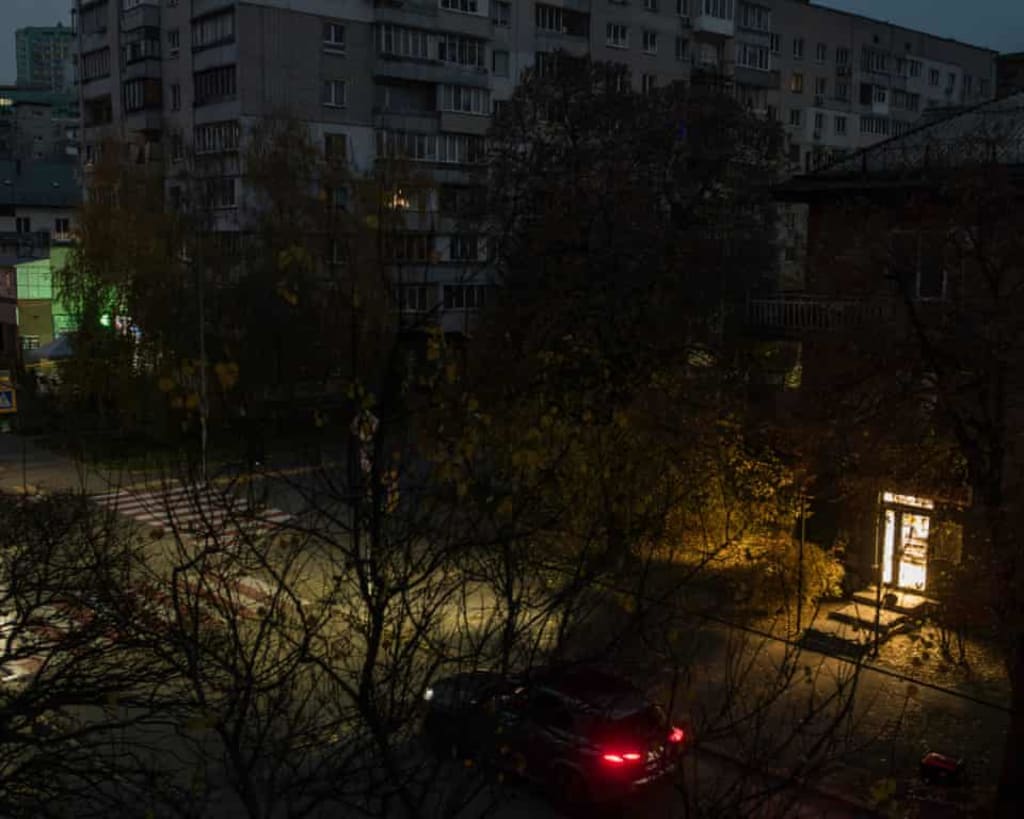
A Nation Plunged Into Darkness
Ukraine is once again fighting battles beyond the frontlines — this time, against freezing temperatures and collapsing power systems. Over the past week, Russia has launched one of its most intense waves of airstrikes targeting Ukraine’s energy grid, leaving large parts of the country without electricity. Officials say the nation’s power generation capacity has been reduced to “zero”, forcing widespread blackouts and energy rationing across cities including Kyiv, Kharkiv, and Odesa.
For millions of Ukrainians, this is not just an inconvenience — it’s a crisis that affects hospitals, schools, and the basic ability to survive winter. The latest attacks, described by Ukraine’s energy ministry as “strategic and devastating,” hit major thermal power plants and hydroelectric stations.
Ukrainian President Volodymyr Zelensky condemned the strikes, calling them a “terror campaign aimed at breaking the spirit of the Ukrainian people.”
> “They are trying to turn darkness into fear, but Ukraine will never surrender,” Zelensky declared in a televised address.
---
Russia’s Renewed Focus on Infrastructure
The attacks mark a new escalation in Russia’s ongoing strategy to cripple Ukraine’s infrastructure as the war enters another brutal winter. Satellite imagery and local reports confirm that several key power generation sites were struck by long-range missiles and explosive drones overnight, leaving the energy network critically damaged.
Military analysts believe the strikes are aimed at weakening Ukraine’s morale and logistical strength. Without consistent electricity, water pumps, heating systems, and transportation networks grind to a halt — making it harder for civilians and soldiers alike to endure.
According to Ukraine’s state energy company, Ukrenergo, nearly 80% of the country’s power production capacity was temporarily offline following the bombardment. Backup generators are operating around the clock, but fuel shortages and logistical challenges make large-scale recovery difficult.
---
The Human Cost of Energy Warfare
The scale of suffering caused by these attacks goes far beyond the grid. In Kyiv, residents have resorted to using candles and wood stoves to heat their homes. Hospitals are performing surgeries using emergency generators. Schools in several regions have been forced to close or move online — though internet access is unreliable.
One Kyiv resident, 34-year-old teacher Alina Shevchenko, described the situation bluntly:
> “We survived bombs and missiles, and now we fight the cold and darkness. Every night we wonder if we’ll wake up to light or to silence.”
Aid organizations, including the Red Cross and UNICEF, are ramping up efforts to provide emergency heating shelters and distribute portable generators. However, humanitarian agencies warn that millions could face life-threatening conditions if the energy crisis continues through winter.
---
International Response and Support
Western governments have condemned the latest wave of attacks as a deliberate attempt to target civilians. The European Union and United States are coordinating to send replacement power transformers, fuel supplies, and additional air defense systems to Ukraine.
The UK’s Defense Ministry described the situation as “a systematic campaign to dismantle Ukraine’s energy independence.” Meanwhile, the U.S. has pledged another $200 million in energy and defense aid, including mobile generators and grid-repair equipment.
Neighboring countries like Poland and Romania have opened their electrical networks to transmit limited power into Ukraine, though experts warn that this will not fully compensate for the damage.
---
The Strategy Behind the Blackouts
Analysts suggest Russia’s renewed focus on infrastructure attacks reflects both military and psychological goals. By striking power plants and energy facilities, the Kremlin seeks to force Ukraine into submission through hardship, rather than through direct battlefield victories.
Dr. Michael Clarke, a defense analyst in London, noted:
> “This is a calculated attempt to freeze Ukraine into surrender. But history shows that hardship often strengthens resistance rather than weakens it.”
Indeed, many Ukrainians are showing remarkable resilience. In cities where electricity has been restored, residents have organized volunteer crews to repair power lines, distribute supplies, and help the elderly stay warm.
---
A Glimmer of Hope Amid the Blackout
Despite the dire circumstances, Ukraine’s engineers and energy workers continue to rebuild with extraordinary determination. The Energy Ministry confirmed that partial power generation has resumed in western regions and that teams are working “day and night” to restore stability to the grid.
Zelensky has vowed to keep the lights on — symbolically and literally. In one of his nightly addresses, he said:
> “Every bulb we turn on is proof that Ukraine is still alive, still fighting, still free.”
As the world watches, the crisis in Ukraine underscores how modern warfare extends far beyond the battlefield. It’s fought in the skies, in the data networks, and even in the fragile infrastructure that sustains daily life.
---
Conclusion
The phrase “Ukraine facing widespread power cuts after generating capacity reduced to ‘zero’ by Russian attacks” captures more than just a headline — it reveals the ongoing struggle of a nation under siege, striving to maintain light amid darkness.
Ukraine’s resilience has become a global symbol of courage. Even as missiles fall and grids fail, the people of Ukraine continue to rebuild — one generator, one wire, one act of defiance at a time.
About the Creator
Fiaz Ahmed
I am Fiaz Ahmed. I am a passionate writer. I love covering trending topics and breaking news. With a sharp eye for what’s happening around the world, and crafts timely and engaging stories that keep readers informed and updated.
Keep reading
More stories from Fiaz Ahmed and writers in Journal and other communities.
Syria Carries Out Preemptive Raids Against Islamic State
Renewed Tensions in a Region Still Healing The Middle East has once again found itself on edge as reports emerge that Syria carries out preemptive raids against Islamic State fighters across several provinces. According to military and intelligence sources, the Syrian army, backed by Russian air support, launched a series of coordinated raids targeting suspected ISIS sleeper cells in the country’s eastern and central regions.
By Fiaz Ahmed 4 months ago in Journal
How Streetwear Turned Chunky Gold Jewellery Into the Biggest Trend in Fashion
Not long ago, chunky gold jewellery was often associated with specific subcultures or bold celebrity statements. Thick chains, oversized rings, and heavy bracelets were expressive but not always considered mainstream. Today, that perception has shifted dramatically. What once lived on the edges of fashion now dominates both street style and high-end collections. Streetwear played a central role in that transformation.
By Md Mehedi Hasan Rifad5 days ago in Journal



Comments
There are no comments for this story
Be the first to respond and start the conversation.