
UK Restricts DR Congo Visas Over Migrant Return Policy: A Diplomatic and Humanitarian Dilemma
Visa restrictions reflect growing tensions over migrant safety and diplomatic responsibility"


The United Kingdom has recently taken a significant step in its immigration and diplomatic policy by restricting visas for citizens of the Democratic Republic of Congo (DR Congo). The move comes amid rising concerns over DR Congo’s migrant return policy, which the UK claims fails to adequately ensure safe and humane repatriation of its nationals. While the decision aims to address migration management and national security, it raises critical questions about diplomacy, human rights, and the broader impact on Congolese citizens seeking to travel for work, education, or tourism.
Background of the Visa Restriction
The visa restrictions were announced after prolonged discussions between UK and Congolese authorities failed to yield satisfactory agreements on the safe return of Congolese migrants deported from the UK. British officials argued that DR Congo’s current procedures are insufficient to guarantee the safety of returnees, particularly vulnerable individuals, including women, children, and asylum seekers.
Historically, the UK has maintained a stringent but cooperative approach toward migration management. However, repeated incidents where returnees faced poor conditions, inadequate documentation, or even harassment upon arrival prompted the UK to reassess its stance. According to British sources, these visa restrictions are meant as a temporary diplomatic lever, intended to push DR Congo to revise its policies and adopt more transparent and humane processes.
Impact on Bilateral Relations
The UK’s decision has stirred diplomatic tensions between London and Kinshasa. Officials from DR Congo have criticized the move as punitive and disproportionate, arguing that it unfairly affects ordinary citizens rather than targeting policy shortcomings at the governmental level. The Congolese government has vowed to engage in negotiations, stating its willingness to review and improve repatriation procedures but cautioning against measures that disrupt ordinary travel and trade.
For the UK, this action represents a delicate balancing act: it aims to safeguard national interests and adhere to international human rights standards, while avoiding a complete breakdown in diplomatic ties. The decision also sends a signal to other countries in Africa and beyond that the UK is prepared to link visa privileges to compliance with safe migration protocols.
Humanitarian Concerns
Human rights organizations have expressed concern over the collateral impact of visa restrictions. Many Congolese citizens rely on travel to the UK for education, business, and family reunification. The blanket restrictions could disrupt academic programs, business investments, and cultural exchanges, disproportionately affecting individuals who have no role in shaping national migration policies.
Moreover, the restriction highlights the vulnerability of migrants caught between two countries’ policies. Many Congolese nationals who face challenging conditions at home view migration as a pathway to safety or economic stability. Limiting visas may inadvertently increase irregular migration, forcing individuals to seek dangerous alternative routes, which could exacerbate the very issues the UK seeks to address.
Political and Security Dimensions
From a political perspective, the visa restriction is also tied to broader security concerns. The UK has faced a surge in irregular migrants arriving via unauthorized routes in recent years. Officials argue that ensuring that return procedures in origin countries are safe and verifiable is key to discouraging illegal migration. By restricting visas, the UK aims to pressure DR Congo to adopt robust tracking and support systems for returnees, ensuring compliance with international standards and reducing the risk of repeat unauthorized departures.
Calls for Dialogue and Collaboration
Experts emphasize that visa restrictions should be paired with diplomatic engagement rather than unilateral action. Human rights advocates call for a bilateral task force to monitor returns, provide support for vulnerable individuals, and offer training to border officials in DR Congo. Such collaboration could strengthen trust, reduce tension, and ensure that policy enforcement does not come at the expense of human dignity.
Future Outlook
The current UK visa restrictions are expected to remain in place until DR Congo demonstrates meaningful reform of its migrant return processes. Both governments have expressed a commitment to dialogue, and observers hope that constructive engagement can lead to a balanced approach, where safe migration, human rights, and national security are simultaneously respected.
For ordinary Congolese citizens, the situation remains challenging. Those planning to travel to the UK may face delays or denials, while families, students, and businesses adjust to new realities. At the same time, the restriction could serve as a catalyst for DR Congo to enhance its migration infrastructure, improving conditions for all its citizens and fostering stronger international cooperation.
Conclusion
The UK’s decision to restrict visas for DR Congo nationals underscores the complexities of modern migration policy, where security, diplomacy, and human rights intersect. While intended to pressure DR Congo into improving its migrant return mechanisms, the move also highlights the human cost of policy decisions. Achieving a sustainable solution will require careful negotiation, transparency, and mutual commitment to the principles of safe and humane migration, ensuring that citizens are protected even as countries assert their sovereign rights.
This latest development marks another chapter in the ongoing global debate on migration, reflecting how nations navigate the fine line between border control and human dignity in an interconnected world.
About the Creator
Fiaz Ahmed Brohi
I am a passionate writer with a love for exploring and creating content on trending topics. Always curious, always sharing stories that engage and inspire.
Keep reading
More stories from Fiaz Ahmed Brohi and writers in Journal and other communities.
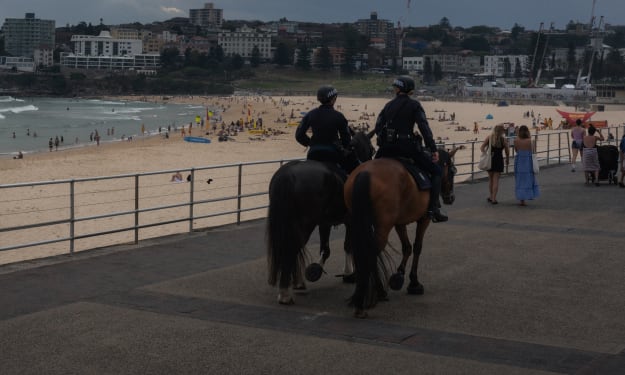
Australian State Passes ‘Extraordinary’ Gun and Protest Laws After Bondi Attack
Australia has long been regarded as a global model for strict gun control and public safety. However, a recent violent attack in Bondi has shaken public confidence and prompted one Australian state to pass what leaders themselves have described as “extraordinary” new gun and protest laws. The move has sparked intense debate nationwide, raising urgent questions about security, civil liberties, and how far governments should go in moments of crisis. A Tragedy That Changed the Conversation The Bondi attack shocked Australians not only because of its violence, but because it occurred in a place associated with everyday life — a popular public area where people gather freely. The tragedy reignited fears about public safety and exposed gaps in the state’s ability to prevent and respond to violent threats. In the days following the incident, political pressure mounted rapidly. Community grief turned into calls for decisive action, with demands that authorities ensure such an event could never happen again. Against this backdrop, the state government moved swiftly to introduce sweeping legislative changes. What the New Laws Include The newly passed laws significantly expand police powers related to firearms and public protests. On the gun control side, authorities now have broader discretion to stop, search, and detain individuals suspected of carrying weapons. Penalties for illegal possession have been increased, and restrictions around firearm access, storage, and licensing have been tightened further. Equally controversial are the changes to protest laws. The legislation gives police enhanced authority to restrict or shut down demonstrations deemed to pose a public safety risk. Organizers can face harsher penalties if protests disrupt infrastructure or emergency services, even if no violence occurs. Government officials argue that these measures are necessary in a new security environment where threats can emerge suddenly and unpredictably. Government’s Defense: Safety Comes First State leaders have defended the laws as proportionate and essential. According to officials, the Bondi attack demonstrated that existing frameworks were not sufficient to deal with fast-moving, high-risk situations. They argue that expanded police powers will allow authorities to intervene earlier, potentially preventing attacks before lives are lost. Supporters of the legislation also point out that Australia’s history of gun reform shows tough laws can save lives when implemented decisively. From this perspective, the laws are framed not as an erosion of freedoms, but as a temporary strengthening of protections in response to extraordinary circumstances. Civil Liberties Groups Push Back However, civil rights advocates and legal experts have raised serious concerns. Critics warn that the laws blur the line between genuine public safety measures and excessive state control. Protest restrictions, in particular, have drawn sharp criticism. Activists argue that peaceful protest is a cornerstone of democracy and that broad police discretion risks suppressing dissent. There are fears that the laws could be used to silence unpopular or politically inconvenient movements rather than address real threats. Legal scholars have also questioned the speed with which the legislation was passed, warning that laws written in moments of fear can have long-lasting consequences. A Shift in Australia’s Global Image? Internationally, Australia has often been praised for balancing safety with personal freedoms. The new laws have prompted observers to ask whether the country is entering a new phase — one where security concerns increasingly outweigh civil liberties. Some analysts see the move as part of a broader global trend. Around the world, governments facing public violence are adopting tougher security laws, often expanding surveillance and policing powers. Australia’s response to Bondi, they argue, reflects the same tensions seen in Europe, North America, and beyond. Public Opinion Remains Divided Among the public, reactions have been mixed. Many Australians support strong action, believing that safety in public spaces must be guaranteed at all costs. Others worry that the laws punish the many for the actions of a few, potentially reshaping everyday freedoms in subtle but significant ways. This division highlights a central dilemma: how to honor victims and prevent future tragedies without undermining the democratic values that define Australian society. What Happens Next? The coming months will be critical. How police apply the new powers, how courts interpret them, and whether the laws are reviewed or amended will determine their long-term impact. For now, the Bondi attack has left a lasting mark — not only on those directly affected, but on Australia’s legal and political landscape. The challenge ahead lies in ensuring that extraordinary laws do not become permanent features, and that safety and freedom remain partners rather than rivals.
By Fiaz Ahmed Brohi3 months ago in Journal
Author’s Advice
If you would’ve asked me 20 years ago did I know I’d become a writer and an author, I would’ve said “nope, ain’t happening”. As fate would have it I did become an author and I can honestly say I’m loving it so far. It really does feel good to be a writer. I’ve learned a lot on this journey and I feel like with even me being as new to this world as I am, there’s some wisdom I need to share with every other aspiring author.
By Joe Patterson4 days ago in Journal
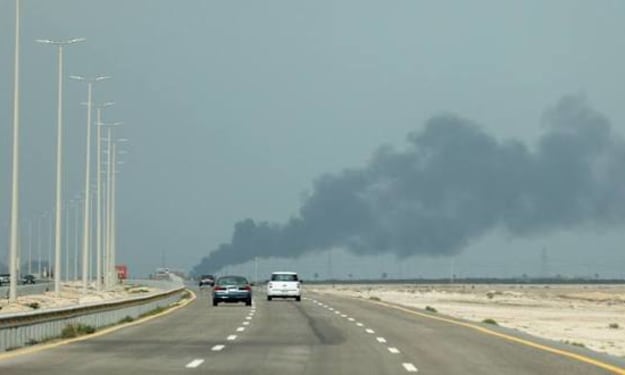
Gulf states lose $15bn in energy revenues since start of war
Gulf states have lost an estimated $15 billion in energy revenues since the start of the ongoing war in the region, according to analysts tracking the impact on the global oil and gas markets. The losses have been driven by a combination of disrupted production, damaged infrastructure, and reduced demand from international buyers, highlighting the economic vulnerability of nations heavily reliant on hydrocarbon exports. The conflict, which erupted earlier this year, has affected key energy-producing countries in the Gulf, including Saudi Arabia, United Arab Emirates, and Kuwait. Analysts report that output reductions, combined with logistical challenges in transporting oil and gas, have led to significant shortfalls in state revenues that fund public services, infrastructure projects, and social programs. “Energy exports are the lifeblood of the Gulf economies,” said an energy market expert. “Any prolonged disruption, particularly in the context of war, has immediate and severe consequences for government budgets and the broader economy.” In Saudi Arabia, one of the world’s largest oil producers, some key export facilities were temporarily suspended due to security threats near shipping routes in the Gulf. While production has gradually resumed, analysts estimate that the country has lost several billion dollars in expected revenues. Similar challenges have affected the UAE and Kuwait, where ports and pipelines have faced intermittent closures and heightened security alerts. The war has also affected global energy markets, contributing to volatility in oil and gas prices. While higher prices could offset some revenue losses for producers, the ongoing instability has discouraged long-term contracts and international investment, reducing the financial resilience of Gulf states. Shipping insurance premiums have surged, and some international buyers have delayed purchases due to fears of supply disruption. For nations heavily dependent on oil revenues, the losses are particularly concerning. Gulf states allocate a significant portion of their budgets to public welfare, infrastructure, and economic diversification initiatives. The sudden drop in income has forced governments to reassess spending priorities and consider measures such as tapping sovereign wealth funds, issuing bonds, or delaying capital projects. Some analysts warn that prolonged conflict could deepen economic strain. If the war continues for several months or expands geographically, the losses in energy revenue could rise sharply, potentially exceeding $20 billion. “The longer the conflict persists, the greater the economic damage will be,” said one regional economist. “Even minor disruptions to production or export routes can cascade into substantial fiscal shortfalls.” The economic impact is compounded by other global pressures, including fluctuating demand from major energy consumers and competition from alternative suppliers. European and Asian buyers have been seeking diversified sources of oil and gas, and sanctions or logistical hurdles have sometimes forced Gulf exporters to redirect shipments or renegotiate contracts at lower prices. In response, Gulf governments have ramped up security measures around energy infrastructure, including pipelines, refineries, and shipping lanes. Military patrols and aerial surveillance have been increased to safeguard exports, but analysts note that these measures add to operational costs and do not eliminate the risk of further revenue losses. Some states have also accelerated efforts to diversify their economies to reduce dependence on hydrocarbons. Projects in renewable energy, technology, tourism, and finance are being prioritized to create alternative sources of revenue. However, analysts caution that such diversification efforts are long-term solutions and cannot immediately offset the financial losses caused by the war. The International Energy Agency (IEA) has highlighted the broader implications of the Gulf revenue losses, noting that disruptions in the region can ripple through global markets. Reduced supply from major Gulf producers can drive up prices elsewhere, affect energy security for dependent nations, and influence inflationary pressures worldwide. While Gulf states continue to manage immediate fiscal challenges, officials are closely monitoring the situation. Contingency plans for energy exports, emergency budget measures, and diplomatic efforts to contain the conflict are all being considered. Experts emphasize that a resolution to the war, or at least a stabilization of key export routes, will be critical to restoring financial stability and ensuring the long-term viability of government programs. The $15 billion revenue loss is a stark reminder of the fragility of oil-dependent economies in the face of geopolitical conflict. As the Gulf navigates this challenging period, governments must balance short-term fiscal needs with longer-term strategic planning, ensuring that both immediate and future economic stability are safeguarded. The coming months will be pivotal, with analysts predicting that energy revenues, market confidence, and regional stability are all tightly intertwined, and the trajectory of the war will determine the scale of financial losses for Gulf states in 2026 and beyond.
By Fiaz Ahmed 3 days ago in Journal
A Transparent Look at Vocal Challenges and Top Stories
Almost three years ago, we shared a resource article that served as a place for people to suggest new challenge prompts. We thought it would be a good idea to refresh that thread, and take the opportunity to answer a few common questions about top stories, how challenges are judged and how submissions are reviewed.
By Vocal Curation Team4 days ago in Resources


Comments
There are no comments for this story
Be the first to respond and start the conversation.