
Types of Truck Accidents: Classification, Causation Patterns, and Understanding Collision Dynamics
A quick guide to truck accident types and what causes them.

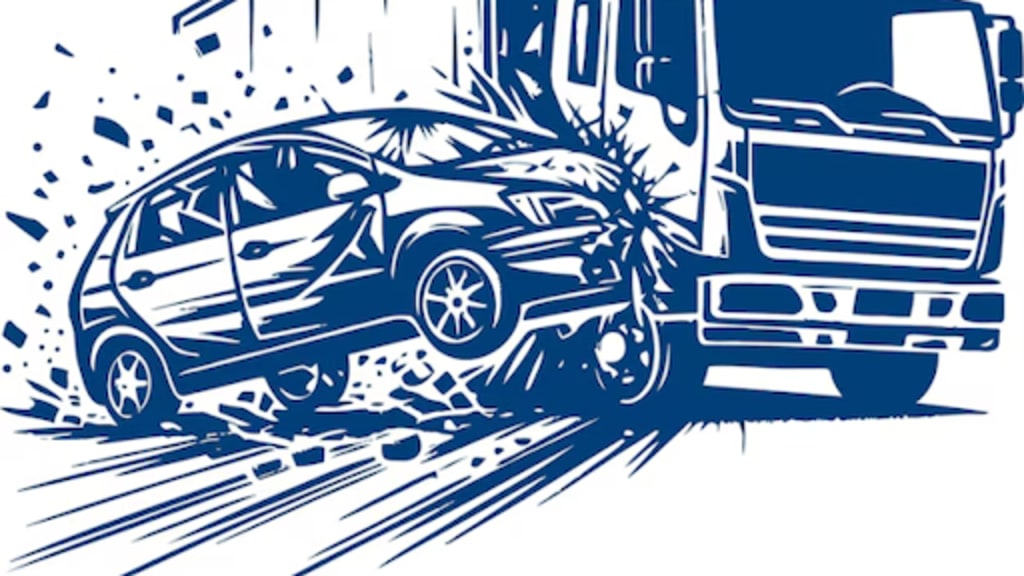
Comprehensive understanding of types of truck accidents enables recognition of specific causation patterns, hazard factors, and liability implications differentiating various collision scenarios. Commercial vehicle accidents manifest through diverse mechanisms—rollover incidents, underride collisions, jackknife events, wide-turn accidents—each involving distinct physics, causation factors, and severity patterns. Analyzing accident types reveals preventive opportunities and establishes liability foundations for claims analysis. This comprehensive guide explores major truck accident categories, distinctive collision characteristics, causation mechanisms, and understanding how accident type analysis informs safety improvements and legal liability determination.
Rear-End Collision Accidents
Causation and Prevalence
Rear-end collisions occur when trucks impact vehicles ahead, frequently resulting from inadequate following distance, brake failure, or sudden obstacles. These accidents rank among the most common truck accidents due to heavy vehicles' extended stopping distances.
Unique Severity Factors
Truck weight and momentum create enormous impact forces devastating smaller vehicles. Occupant injuries in rear-end collisions frequently prove severe or fatal.
Liability Considerations
Rear-end accidents typically establish truck driver liability based on "assured clear distance" doctrine. Rear-end accidents rarely involve plaintiff comparative negligence.
Causation Investigation
Investigation examines brake system condition, traction loss factors, and stopping distance adequacy. Black box data analysis reveals braking application patterns.
Rollover Accidents
Dynamic Characteristics
Rollover accidents involve vehicles tipping on their sides or completely overturning. Trucks' height and narrow track width create rollover vulnerability in specific scenarios.
Common Rollover Causes
Excessive speed during turns, cargo weight imbalance, tire failure, or road surface conditions trigger rollovers. Underinflated tires significantly increase rollover risk.
Passenger Vehicle Involvement
Rollover trucks frequently strike nearby vehicles in multi-vehicle accidents. Secondary collisions multiply accident severity.
Causation Investigation
Investigations examine speed analysis, cargo documentation, and weight distribution. Tire condition and inflation verification establishes mechanical factors.
Underride Accidents
Catastrophic Impact Characteristics
Underride accidents occur when vehicles pass under truck trailers during collisions. Underride collisions frequently result in decapitation-level injuries.
Prevention Technology
Underride guards (rear guards, side guards) reduce underride risk. Guard inadequacy or absence contributes to accident severity.
Liability and Negligence
Truck operators bear responsibility for ensuring proper guard installation and maintenance. Guard failure establishes direct negligence liability.
Jackknife Accidents
Physical Dynamics
Jackknife events occur when tractors and trailers fold at an angle during braking or evasion. Jackknife accidents frequently create multi-vehicle collisions.
Causation Factors
Brake system imbalance, slippery road surfaces, or sudden steering input trigger jackknife events. Loss of traction creates directional instability.
Multi-Vehicle Involvement
Jackknife trucks frequently strike multiple vehicles in congested traffic. Accident severity multiplies with vehicle involvement.
Wide-Turn Accidents
Operational Characteristics
Wide-turn accidents occur when trucks require extensive lateral space during turns. Turning trucks frequently contact adjacent lanes or sidewalk areas.
Vulnerability Factors
Driver visibility limitations, tight turning radiuses, and underestimated space requirements contribute to wide-turn accidents. Pedestrian vulnerability increases at intersections.
Blind Spot Hazards
Truck blind spots create significant turning hazards. Driver awareness deficiencies frequently underestimate blind spot extent.
Brake Failure Accidents
Mechanical Causation
Brake system failures—fluid leaks, pad deterioration, caliper malfunction—eliminate or reduce braking capability. Mechanical failure creates uncontrollable vehicles.
Maintenance Negligence
Inadequate maintenance, missed inspections, or deferred repairs contribute to brake failures. Maintenance negligence establishes direct liability.
Downhill Brake Fade
Extended downhill braking causes brake overheating reducing effectiveness. Inadequate engine braking or speed management contributes to brake failure.
Tire Failure and Blowout Accidents
Mechanical Failure Mechanisms
Tire blowouts create sudden vehicle control loss frequently resulting in jackknife or rollover events. Blowout severity depends on tire position and speed.
Underinflation Impact
Underinflated tires deteriorate prematurely and overheat. Proper inflation maintenance prevents blowout likelihood.
Maintenance and Inspection Deficiency
Routine tire inspection detects tread wear and damage. Negligent inspection increases blowout risk.
Cargo Shift and Load Accidents
Weight Distribution Impact
Improperly distributed cargo shifts during braking or turning destabilizing vehicles. Cargo weight mismanagement creates rollover risk.
Unsecured Load Hazards
Inadequately secured cargo spills onto roadways creating hazards for trailing vehicles. Cargo securement violations create multiple accident causation.
Visibility-Related Accidents
Headlight and Lighting Deficiency
Inadequate or broken lighting reduces visibility affecting driver recognition. Lighting maintenance deficiency establishes negligence.
Weather and Visibility Challenges
Fog, rain, or darkness compound visibility challenges requiring reduced speeds. Speed misalignment with conditions contributes to accidents.
Fatigue and Hours-of-Service Violations
Driver Fatigue Mechanism
Extended driving without adequate rest impairs judgment, perception, and reaction time. Fatigue creates accident causation through operational impairment.
Regulatory Violations
Federal hours-of-service violations evidence regulatory non-compliance. Violation evidence establishes negligence per se.
Conclusion
Understanding types of truck accidents classification, distinctive characteristics, and specific causation factors enables informed liability analysis and preventive strategy development. Each accident type involves unique investigation requirements, potential defendants, and safety implications. Professional accident analysis considering specific type characteristics ensures comprehensive liability determination and appropriate claim valuation addressing unique impact factors.
About the Creator
James Smith
I'm James Smith, a seasoned writer specializing in marketing and technology. With a decade of experience, I thrive on crafting insightful articles that decode industry trends and innovations.
Keep reading
More stories from James Smith and writers in Journal and other communities.
10 Features to Look for in a USSSA Slow-Pitch Softball Bat
Choosing the right bat can make all the difference between a solid line drive and a weak grounder. But with so many models available, how do you know which one suits your swing? When shopping for USSSA slowpitch softball bats, certain features can help you hit farther, swing faster, and stay compliant with league standards.
By James Smith2 months ago in Journal
The goals I did not achieve
Every writing goal I made for the year is a wash. It has been this way for a while, but I think it's important to be open about my failures and the reality of how life can get in the way. This is especially true considering the several times I have posted on Vocal about my writing goals, how I was changing my approach, and where I was hoping to be for the upcoming year. I will probably do that again in a couple months, but for now, it is time to acknowledge where I am today.
By Kay Husnick22 days ago in Journal



Comments
There are no comments for this story
Be the first to respond and start the conversation.