
Turkey Glamping Market vs Global Trends: Growth Comparison and Regional Potential
A detailed comparison of Turkey’s glamping market with global trends, highlighting growth patterns, investment scope, and untapped regional potential.

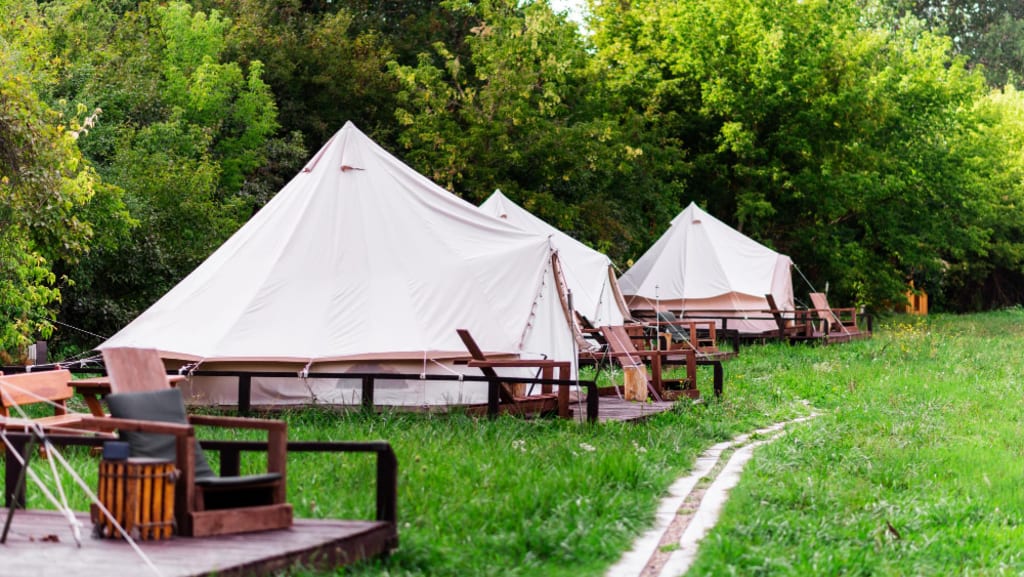
The glamping industry has emerged as one of the most dynamic segments within global hospitality and experiential travel. Combining the allure of outdoor adventure with the comforts of upscale accommodation, glamping has attracted both leisure travelers and investors seeking differentiated experiences beyond traditional hotel stays. As global tourism rebounds from recent disruptions, the Turkey glamping market has gained traction, showing strong potential rooted in natural beauty, cultural depth, and rising domestic travel demand. This blog explores the global glamping landscape, compares growth patterns with Turkey’s glamping sector, and highlights regional strengths, challenges, and future opportunities.
Understanding the Glamping Concept
Glamping, a blend of “glamorous” and “camping,” refers to accommodation that delivers a premium outdoor experience with amenities often comparable to boutique hotels. These can include luxury tents, yurts, cabins, treehouses, and eco-pods, each designed to offer comfort, style, and a direct connection with nature. Unlike traditional campsites, glamping sites focus on unique design, curated experiences, and a strong emphasis on comfort.
The rising demand for authentic travel experiences, growing environmental awareness, and increased preference for personalized leisure trips have positioned glamping as a compelling alternative to established forms of hospitality. Glamping appeals to a wide array of demographic segments including families, couples, millennials, and adventure enthusiasts.
Global Glamping Market Trends
The global glamping market has experienced robust expansion over the past decade. Several factors are driving this growth:
1. Experience-Driven Travel:
Travelers increasingly prioritize experiences over material possessions. Authentic and immersive travel remains a strong global trend, and glamping delivers on this demand by offering nature-centric yet comfortable stays.
2. Sustainability and Eco-Tourism:
Sustainability has become a core consideration for travelers. Glamping properties that emphasize eco-friendly materials, renewable energy, and minimal environmental impact attract a growing share of environmentally conscious tourists.
3. Rise of Domestic Travel:
After global travel constraints in recent years, domestic travel has surged. Many countries are witnessing a renewed interest in local tourism, with glamping becoming a preferred leisure option for domestic travelers seeking weekend getaways.
4. Premium Outdoor Experiences:
Affluent travelers seek unique, high-touch outdoor experiences. Customizable services, private chefs, wellness offerings, and curated adventure tours are increasingly part of the glamping value proposition.
According to industry estimates, the global glamping market has been growing at a compound annual growth rate (CAGR) in the mid to high single digits. This growth is supported by investment in boutique properties, expansion of glamping directories, and integration with mainstream travel platforms.
North America currently leads the glamping market globally, driven by well-developed infrastructure, strong outdoor culture, and significant investment in experiential tourism. Europe follows closely, with countries like France, Italy, and Spain expanding glamping inventories. Asia-Pacific is emerging rapidly, supported by domestic travel growth in countries such as Japan, Australia, and Thailand.
Turkey Glamping Market: An Emerging Hub
Turkey’s glamping market is still in a developmental phase compared with global leaders, but several factors are accelerating its growth:
1. Rich Natural and Cultural Assets:
Turkey boasts diverse landscapes that range from Mediterranean coastlines and alpine forests to volcanic formations and lake districts. These natural assets offer ideal settings for glamping experiences that combine scenic beauty with cultural exploration.
2. Post-Pandemic Travel Preferences:
COVID-19 reshaped travel behavior with a heightened interest in outdoor, socially distanced experiences. This shift has positively influenced demand for glamping, especially among domestic leisure travelers seeking safe yet memorable stays.
3. Growth of Local Tourism:
Tourism in Turkey has been steadily recovering, with domestic travel playing a central role. Glamping has become a preferred option for weekend breaks and nature retreats, particularly among young professionals and families.
4. Increased Investment and Interest:
Although smaller in scale compared to Europe and North America, local investors and hospitality operators in Turkey are increasingly exploring glamping as a differentiated offering. Boutique farm stays, seaside luxury tents, and hillside eco-pods are examples of emerging formats.
Several regions in Turkey have shown particular promise. The Aegean and Mediterranean coasts attract beach-oriented glamping stays. The Cappadocia region, renowned for its unique geological formations and hot air balloon tourism, has also seen integration of glamping into its broader tourism ecosystem. Inland regions like Lake Van and Black Sea highlands are gaining attention for eco-tourism appeals.
Growth Comparison: Turkey vs Global Patterns
When comparing the Turkey glamping market with global trends, several insights become clear:
Scale of Development:
Globally, glamping has matured into a defined sub-sector with dedicated networks, standardized ratings, and strong visibility across mainstream travel channels. In contrast, Turkey’s glamping market is more nascent, with a higher proportion of independent and small-scale operators.
Infrastructure and Connectivity:
Global leaders in glamping benefit from well-established tourism infrastructure, including integrated booking platforms, transportation access, and curated travel experiences. Turkey is improving in these areas, but gaps remain, particularly in rural connectivity and seamless travel services at glamping locations.
Domestic Demand vs International Appeal:
Turkey’s glamping demand is primarily driven by domestic travelers. Globally, while domestic tourism is significant, international travelers contribute a larger share, particularly in North America and Europe. Turkey’s international glamping visibility is growing, but wider global recognition will require strategic marketing and inclusion in international travel networks.
Investment and Market Organization:
International markets have seen greater institutional investment and professionalization of the glamping sector. Turkey’s investment landscape remains more fragmented, with individual owners and boutique operators leading the charge. However, this also fosters innovation and diverse local experiences that resonate with niche traveler segments.
Challenges and Constraints
Despite promising indicators, the Turkey glamping market faces several challenges:
Regulatory Framework:
Zoning laws, land use regulations, and building permits can be complex in certain regions, slowing development of new glamping sites. Clarifying regulatory pathways and introducing supportive policies could accelerate market growth.
Seasonality:
Certain regions in Turkey experience significant seasonal fluctuations in tourism demand. Glamping properties in coastal areas must balance high summer occupancy with off-season strategies to maintain profitability.
Service Standardization:
Varied service quality across operators poses a challenge for building consistent market reputation. Establishing voluntary quality standards and industry associations could help elevate overall guest experience.
Marketing and Awareness:
Compared to well-established international destinations, Turkey’s glamping scene requires stronger global promotion. Collaboration with tourism boards, travel agencies, and global platforms would improve international visibility.
Regional Potential and Future Outlook
The long-term outlook for the Turkey glamping market is positive. Several elements support future growth:
Enhanced Infrastructure:
Improving transport connectivity to rural and natural sites, developing onsite amenities, and adopting digital booking systems will strengthen the commercial viability of glamping projects.
Sustainable Tourism Focus:
As sustainability becomes increasingly central to global tourism, Turkey can leverage its natural landscapes while promoting eco-friendly practices. Glamping sites that adopt sustainable construction, solar energy, waste reduction, and cultural preservation will attract conscious travelers.
Public-Private Partnerships:
Partnerships between government bodies and private operators can unlock investment incentives, shared marketing campaigns, and streamlined regulatory processes. Such collaboration will be key for balanced regional development.
Niche Experience Segments:
Turkey can differentiate its glamping offering through niche segments such as wellness retreats, culinary-focused stays featuring local cuisine, adventure-oriented packages, and cultural immersion experiences with local communities.
Conclusion
The glamping industry presents compelling opportunities as a growth segment within the broader travel and hospitality ecosystem. Globally, the glamping market is maturing and attracting attention from investors and travelers alike. Turkey’s glamping market, while at an earlier stage of development, exhibits strong potential rooted in natural beauty, evolving travel preferences, and rising domestic demand.
Comparative analysis shows that while Turkey may not yet match the scale of North America or Western Europe, it benefits from unique regional advantages and a growing base of experiential travelers. Addressing infrastructure gaps, refining regulatory frameworks, and enhancing service quality will be important steps in unlocking the full potential of glamping in Turkey. As the sector continues to evolve, stakeholders that align with global trends, invest in differentiated experiences, and prioritize sustainability will be well placed to capture growth in this emerging market.
About the Creator
Tim David
Creator Blog and Analysis delivers concise, data-driven insights, trend analysis, and expert perspectives, helping readers understand markets, technologies, and opportunities through clear, actionable, and research-backed content.
~ Fired ~
— Ai Intrusion ~ Are you Next ~ Is Ai Evolution after your job? — Few workplaces haven't been affected. Ai is in supermarkets, at doctors' offices, and even monitoring farms. I just can't think of anything this machine is not getting into, can you? For instance: Education ~ Law and Tech jobs will one day have a major influence or be taken over by these inanimate machines, with accuracy and vigor. From mechanics' diagnoses to a wide variety of everyday jobs, including fast food workers, with this input having the ability to cut their unnecessary work hours. I'm certain all of us have been touched by this with our short stories and colorful headings, have you? Even comments are very questionable 'Non-Robot' insertions.
By Jay Kantor18 days ago in Journal



Comments
There are no comments for this story
Be the first to respond and start the conversation.