
Tucson: The US's ancient, underrated culinary capital
Tucson, Arizona, is the U.S.’s first UNESCO City of Gastronomy, recognized for its 4,000-year-old food traditions, Indigenous and Mexican influences, and sustainable farming practices. From Sonoran hot dogs to desert-inspired fine dining, Tucson offers a unique, underrated culinary experience rich in history and flavor.

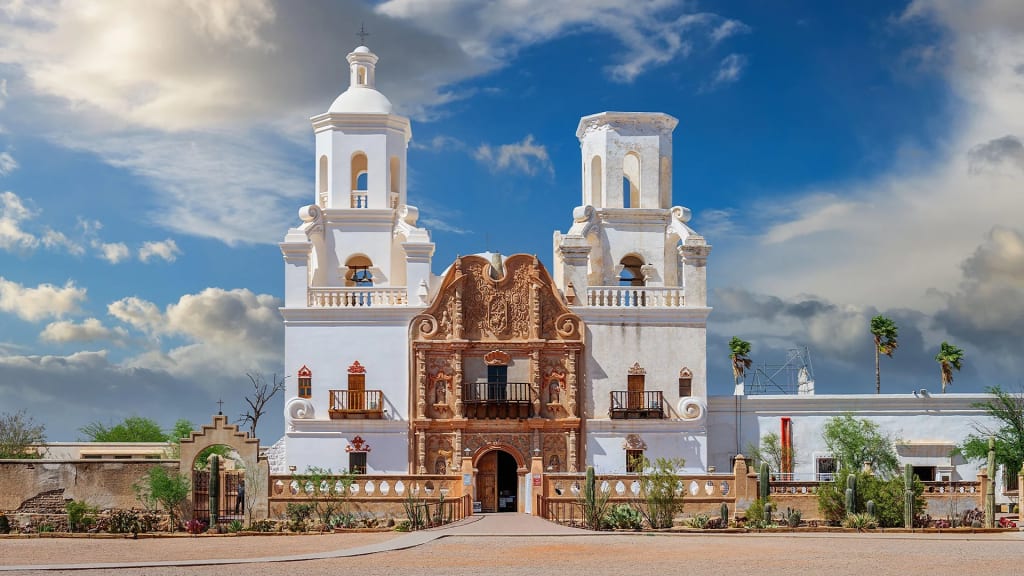
Tucked away in the Sonoran Desert, Tucson, Arizona, is a hidden gem of American gastronomy. While it may not be the first city that comes to mind when considering top culinary destinations, Tucson boasts an ancient food culture that predates European colonization. In 2015, UNESCO recognized Tucson as the first City of Gastronomy in the United States, a testament to its deep-rooted food traditions, sustainable practices, and vibrant culinary scene. This guide explores why Tucson is an unparalleled culinary capital and how travelers can experience its rich food heritage.
A Culinary History Spanning Millennia
Tucson's food culture is deeply intertwined with its Indigenous and Mexican heritage. The Tohono O'odham Nation, which has inhabited the region for thousands of years, developed agricultural techniques still in use today. The introduction of crops such as tepary beans, mesquite, prickly pear, and cholla buds shaped the local cuisine long before Spanish explorers arrived.
With the Spanish came wheat, cattle, and irrigation methods that further enriched Tucson’s food traditions. These influences merged with Mexican flavors to create a unique borderlands cuisine, blending pre-Columbian ingredients with European and modern American culinary techniques. Today, Tucson remains a culinary crossroads where Indigenous, Mexican, and Southwestern flavors coexist in a way that is found nowhere else in the country.
Why UNESCO Recognized Tucson
Tucson’s UNESCO City of Gastronomy designation is not just about great food—it’s about sustainability, biodiversity, and a commitment to preserving food traditions. Unlike many modern cities that rely on imported ingredients, Tucson has one of the longest continuous agricultural histories in North America, with farmers and chefs dedicated to preserving heirloom crops.
The city’s unique desert farming techniques are a model for sustainable food production. From the use of water-harvesting methods to cultivating drought-resistant crops, Tucson’s food system reflects an eco-conscious approach that respects the region’s arid environment. This emphasis on heritage and sustainability is what sets Tucson apart from other food destinations.
Must-Try Tucson Culinary Experiences
For those looking to explore Tucson’s culinary identity, a range of experiences awaits, from Indigenous-inspired dishes to Mexican street food and contemporary Southwestern cuisine.
1. Native American Cuisine at Mission Garden
Mission Garden is a living agricultural museum that showcases crops grown in Tucson for over 4,000 years. Visitors can taste Indigenous foods like tepary beans, cholla buds, and mesquite flour, all of which are staples in the Tohono O'odham diet.
2. The Iconic Sonoran Hot Dog
A trip to Tucson isn’t complete without trying a Sonoran hot dog. This bacon-wrapped delight, typically served in a fluffy bolillo roll and topped with pinto beans, onions, tomatoes, and jalapeño sauce, is a perfect example of Tucson’s Mexican-American fusion cuisine. Visit El Güero Canelo or BK Tacos for an authentic taste.
3. Traditional Mexican Street Food
Due to its proximity to the Mexican border, Tucson is home to some of the best Mexican food in the U.S. Birria tacos, tamales, and carne asada can be found at local taquerias such as Tacos Apson and El Charro Café—America’s oldest Mexican restaurant in continuous operation, dating back to 1922.
4. Desert-Inspired Fine Dining
For a more refined take on Tucson’s culinary heritage, visit The Grill at Hacienda Del Sol or Downtown Kitchen + Cocktails. These restaurants incorporate local ingredients such as prickly pear, chiltepín peppers, and heritage grains into innovative, contemporary dishes.
5. Craft Beer and Agave Spirits
Tucson’s craft beverage scene is as dynamic as its food. The region's breweries, such as Pueblo Vida Brewing Co., highlight local flavors in their small-batch beers. Additionally, Tucson is a prime location for agave-based spirits, with local distilleries and mezcalerias offering tastings of high-quality tequila and mezcal.
The Future of Tucson’s Food Scene
Tucson’s culinary evolution continues as chefs, farmers, and food historians work to preserve its ancient foodways while innovating for the future. Programs such as the Tucson City of Gastronomy initiative support local farmers, chefs, and food businesses committed to sustainability. The city’s culinary institutions are also embracing Indigenous traditions, ensuring that Tucson’s food heritage remains alive for generations to come.
For travelers seeking an authentic taste of America’s oldest and most unique culinary traditions, Tucson offers an experience unlike any other. Its deep history, dedication to sustainability, and diverse flavors make it a true hidden treasure in the world of gastronomy.
About the Creator
Muhammah Hanzalah
Passionate about history and culture. Join me on Vocal Media for captivating insights into hidden historical gems and diverse cultural traditions. Let's explore the rich tapestry of our shared heritage and artistic expressions.
Keep reading
More stories from Muhammah Hanzalah and writers in Journal and other communities.
Edge-of-Your-Seat Thrills: Carry-On 2024 Delivers Big
The 2024 Netflix release Carry-On, directed by Jaume Collet-Serra, is a heart-pounding action thriller that effortlessly blends holiday cheer with nerve-wracking suspense. Featuring standout performances by Taron Egerton and Jason Bateman, this film is a gripping tale of moral dilemmas and high-stakes decisions, making it a must-watch for fans of the genre.
By Muhammah Hanzalahabout a year ago in Journal
Pearl
1980 something. we all hung out at Pearl and you and i were nothing special, or so i thought. i mean we all danced, drenched in our own sweat, our own saline solution of fear, too many beers, shots, laughter, tears, fucks in the bathroom and i don't know when we began to be afraid. do you?
By ROCK aka Andrea Polla (Simmons)5 days ago in Fiction




Comments
There are no comments for this story
Be the first to respond and start the conversation.