
Trump Unveils $12 Billion Critical Minerals Stockpile
A strategic push to secure America’s supply chains amid rising geopolitical and economic pressures
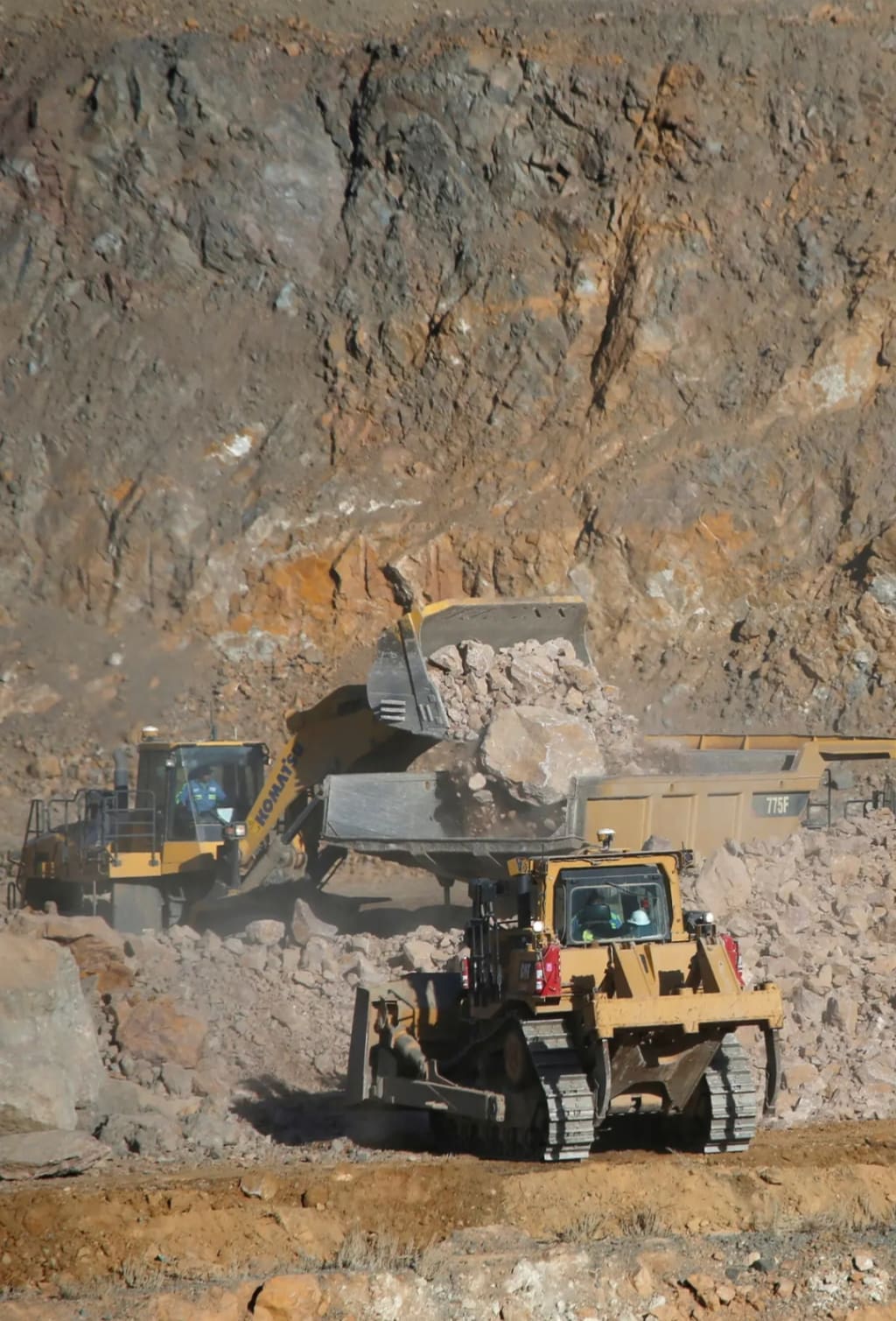
In a move aimed at reshaping America’s industrial and national security landscape, former U.S. President Donald Trump has unveiled a $12 billion critical minerals stockpile initiative, signaling a renewed focus on resource independence and strategic preparedness. The announcement places critical minerals—essential for defense systems, clean energy technologies, electronics, and advanced manufacturing—at the center of U.S. economic and geopolitical strategy.
The proposal reflects growing concern in Washington over the country’s heavy reliance on foreign sources for minerals such as lithium, cobalt, nickel, rare earth elements, and graphite. These materials are vital to everything from electric vehicle batteries and wind turbines to fighter jets and missile guidance systems. With global supply chains increasingly strained by geopolitical rivalries, trade restrictions, and conflict, Trump’s plan seeks to insulate the United States from potential shocks.
---
Why Critical Minerals Matter
Critical minerals are the building blocks of modern technology. Lithium powers rechargeable batteries, rare earth elements enable advanced electronics and military hardware, and cobalt and nickel are essential for energy storage and high-performance alloys. Despite their importance, the United States imports a significant share of these materials, often from countries considered strategic competitors.
China, in particular, dominates the processing and refining of rare earth elements, giving it substantial leverage over global markets. Past export controls and trade disputes have exposed how vulnerable supply chains can be. Trump’s proposed stockpile is framed as a response to these vulnerabilities, aiming to ensure that American industries and defense systems are not left exposed during times of crisis.
---
Inside the $12 Billion Plan
According to outlines of the initiative, the $12 billion investment would be used to purchase, store, and manage reserves of critical minerals deemed essential to national security and economic stability. The stockpile would likely be managed through a federal agency or in coordination with existing defense and energy departments, building on earlier strategic reserve models such as the Strategic Petroleum Reserve.
The plan emphasizes a diversified approach. Rather than relying on a single source or country, the stockpile would include minerals sourced domestically where possible and from trusted allies abroad. Trump has also highlighted the need to expand U.S. mining, refining, and processing capacity, arguing that stockpiling alone is not enough without a strong domestic supply chain.
---
Economic and Industrial Implications
Supporters of the initiative argue that the stockpile could provide a major boost to American mining and manufacturing sectors. By guaranteeing long-term demand for critical minerals, the federal government could encourage private investment in exploration, extraction, and processing facilities across the United States.
Such investments could create jobs, particularly in rural and resource-rich regions, while reducing dependence on volatile global markets. Industries tied to electric vehicles, renewable energy, aerospace, and defense could benefit from more stable and predictable access to key materials.
However, critics caution that large-scale government intervention may distort markets and drive up prices. They also note that building and maintaining a stockpile requires careful management to avoid waste, misallocation, or outdated reserves as technologies evolve.
---
Environmental and Regulatory Challenges
One of the most contentious aspects of expanding domestic mineral production is environmental impact. Mining and processing activities can pose risks to water supplies, ecosystems, and local communities if not properly regulated. Trump has previously called for streamlining environmental reviews to accelerate mining projects, a stance that has drawn criticism from environmental groups.
Balancing environmental protection with strategic necessity remains a central challenge. Proponents of the stockpile argue that modern mining techniques and stronger oversight can minimize harm, while opponents worry that expedited approvals could weaken safeguards.
---
A Geopolitical Signal
Beyond economics, the $12 billion stockpile sends a clear geopolitical message. It signals that the United States intends to compete more aggressively in securing the resources that underpin future technologies and military capabilities. Allies may see opportunities for deeper cooperation, particularly countries rich in critical minerals such as Australia, Canada, and Chile.
At the same time, the move could intensify global competition for resources. As more nations seek to secure their own supplies, prices and geopolitical tensions could rise, making coordination and diplomacy increasingly important.
---
Political Context and Debate
Trump’s announcement fits squarely within his broader “America First” agenda, emphasizing self-reliance, domestic production, and strategic strength. The proposal is likely to spark debate in Congress, where lawmakers from both parties have acknowledged the importance of critical minerals but differ on how aggressively the government should intervene.
Some lawmakers favor incentives such as tax credits and research funding rather than large stockpiles, while others see strategic reserves as essential insurance against future disruptions. The final shape of any policy will depend on political negotiations, funding approvals, and regulatory decisions.
---
Looking Ahead
The unveiling of a $12 billion critical minerals stockpile underscores how central resource security has become in the 21st century. As the global economy transitions toward cleaner energy and advanced technologies, competition for key materials will only intensify.
Whether Trump’s proposal becomes policy or serves as a blueprint for future administrations, it highlights a growing consensus: securing critical minerals is no longer just an economic issue, but a matter of national security. The coming years will determine whether the United States can build resilient, sustainable supply chains capable of supporting its technological ambitions and strategic goals.
About the Creator
Keep reading
More stories from writers in Journal and other communities.
Meta, Google, and Microsoft challenge Nvidia with AI chips to dominate the next decade
The rise of artificial intelligence (AI) is redefining the strategies of major technology players, driving them toward vertical integration reminiscent of the model that characterized IBM in the 1960s.
By Omar Rastelli35 minutes ago in Journal




Comments
There are no comments for this story
Be the first to respond and start the conversation.