
Trump Tariffs Leave Importers with Record-Breaking $3.5 Billion U.S. Customs Bond Funding Shortfall
Trade policy fallout exposes cracks in the import system and raises costs for American businesses

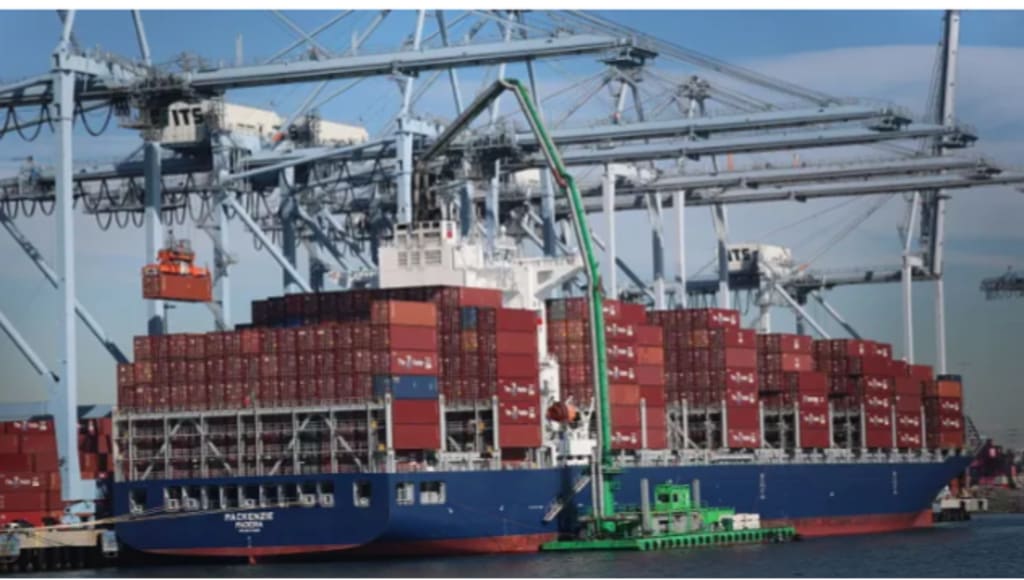
When sweeping tariffs were introduced during the administration of Donald Trump, they were framed as a powerful tool to protect domestic industries and pressure foreign competitors into fairer trade practices. Years later, however, a less visible consequence of those tariffs is creating a crisis for U.S. importers: a record-breaking $3.5 billion shortfall in customs bond funding.
This financial gap is not just a technical issue buried in trade paperwork. It is reshaping how businesses import goods, increasing costs across supply chains, and threatening to squeeze small and mid-sized companies out of international trade altogether.
What is a customs bond and why does it matter?
Every company that imports goods into the United States must secure a customs bond through U.S. Customs and Border Protection (CBP). This bond acts as a financial guarantee that importers will pay all required duties, taxes, and fees owed to the government.
In simple terms, it is insurance for the federal treasury. If an importer fails to pay, the bond covers the loss.
There are two main types of customs bonds:
Single-entry bonds, used for occasional shipments
Continuous bonds, which cover multiple shipments over a year
As tariffs rose sharply during the Trump administration—particularly on goods from China—the value of those bonds had to increase accordingly. Importers suddenly needed much larger bonds to match their higher duty exposure.
How tariffs triggered the funding shortfall
The tariff increases imposed between 2018 and 2020 dramatically boosted import duty amounts. Many companies that once paid modest customs fees were suddenly responsible for millions more in tariff payments annually.
Surety companies, which underwrite customs bonds, found themselves carrying far greater financial risk. Some reduced coverage, others raised premiums, and many refused to issue higher bond limits without substantial collateral.
The result? A growing gap between how much bond coverage importers need and how much the bond market is willing or able to supply.
That gap has now reached an estimated $3.5 billion, the largest customs bond funding shortfall in U.S. history.
Who is feeling the pain?
Large multinational corporations often have the financial muscle to absorb higher bond costs or provide collateral. But for small and mid-sized importers, the situation is much more dire.
Many businesses report:
Inability to secure sufficient bond coverage
Sharp increases in bond premiums
Delayed shipments at ports
Reduced import volumes to avoid bond exposure
For companies that depend on imported raw materials or components, this creates a ripple effect. Manufacturing slows, prices rise, and customers ultimately pay more.
Retailers, especially in electronics, apparel, and household goods, have been among the hardest hit. These sectors rely heavily on imported products that were subject to the steepest tariffs.
A hidden cost of trade policy
Public debate around tariffs has often focused on their political symbolism and headline economic impact. But the customs bond shortfall reveals a quieter consequence: the administrative and financial strain placed on the infrastructure of global trade.
Tariffs did not just raise prices on imported goods; they restructured risk across the entire import ecosystem. Surety providers, customs brokers, and logistics companies all had to adjust to higher exposure.
For many importers, the cost of compliance now rivals the cost of the goods themselves. Bond premiums that once ran a few thousand dollars a year can now reach six figures, depending on import volume and tariff classification.
This turns trade policy into a barrier to entry—especially for entrepreneurs and small businesses trying to compete in international markets.
Supply chain consequences
The bond funding crisis arrives at a time when global supply chains are already strained by inflation, geopolitical tensions, and lingering pandemic disruptions.
When companies cannot secure adequate bond coverage, shipments are delayed or canceled. This leads to:
Port congestion
Inventory shortages
Higher consumer prices
Reduced competition in domestic markets
Some firms have begun sourcing goods from alternative countries to avoid tariffs, but this is not always feasible. Rebuilding supplier networks takes time and investment, and not all products can be easily relocated outside tariff zones.
In some cases, businesses are forced to exit the import market entirely, leaving larger corporations to dominate.
Regulatory pressure and limited solutions
CBP requires bond amounts to reflect potential duty liability, and regulators are reluctant to loosen these standards for fear of increasing default risk. From a government perspective, the bond system is working exactly as intended: it protects federal revenue.
However, industry groups argue that the system was never designed to handle tariff spikes of this magnitude. They warn that without reform, the bond shortage could deepen and further destabilize trade operations.
Proposed solutions include:
Revising bond formulas to reflect realistic payment risk
Allowing more flexible collateral arrangements
Creating government-backed reinsurance programs
Phasing down tariffs to reduce duty exposure
So far, progress has been slow, and importers remain caught between policy and practicality.
A broader economic signal
The $3.5 billion shortfall is more than a bookkeeping issue—it is a warning sign that trade policy can have unintended structural effects. Tariffs were designed to influence foreign governments and boost domestic production, but they also reshaped the financial mechanisms that keep trade flowing.
What was once a routine compliance step has become a major financial hurdle. In doing so, it highlights how deeply interconnected policy decisions are with the technical systems of commerce.
The customs bond market is now under pressure not because trade increased, but because risk multiplied.
Looking ahead
As debates over tariffs continue in Washington, the customs bond crisis underscores the need for a more holistic approach to trade reform. Any future policy must consider not just political goals, but also the infrastructure that supports global commerce.
If the shortfall continues to grow, the U.S. could face reduced import competition, higher prices for consumers, and greater consolidation among large firms that can afford the costs of compliance.
For now, importers remain in a difficult position—paying for the aftershocks of a trade war long after the headlines have faded.
The lesson is clear: tariffs do not end at the border. They echo through financial systems, supply chains, and business survival strategies. And in this case, they have left a multibillion-dollar gap that exposes just how fragile the machinery of modern trade can be.
About the Creator
Sajida Sikandar
Hi, I’m Sajida Sikandar, a passionate blogger with 3 years of experience in crafting engaging and insightful content. Join me as I share my thoughts, stories, and ideas on a variety of topics that matter to you.
Keep reading
More stories from Sajida Sikandar and writers in Journal and other communities.
Silver Price Analysis – Silver Continues to Look for Its Range on Wednesday
Silver prices remained unsettled on Wednesday as the market struggled to establish a clear direction. After experiencing sharp swings in recent weeks, the precious metal is now moving sideways, reflecting uncertainty among traders and investors. Despite several attempts to break higher or lower, silver continues to trade within a defined range, signaling hesitation and a lack of strong conviction from either buyers or sellers.
By Sajida Sikandar3 days ago in Journal



Comments
There are no comments for this story
Be the first to respond and start the conversation.