
Trump Seeks to Tap California Offshore Oil
California’s coastal waters become the center of a national debate over fossil fuels and clean energy.
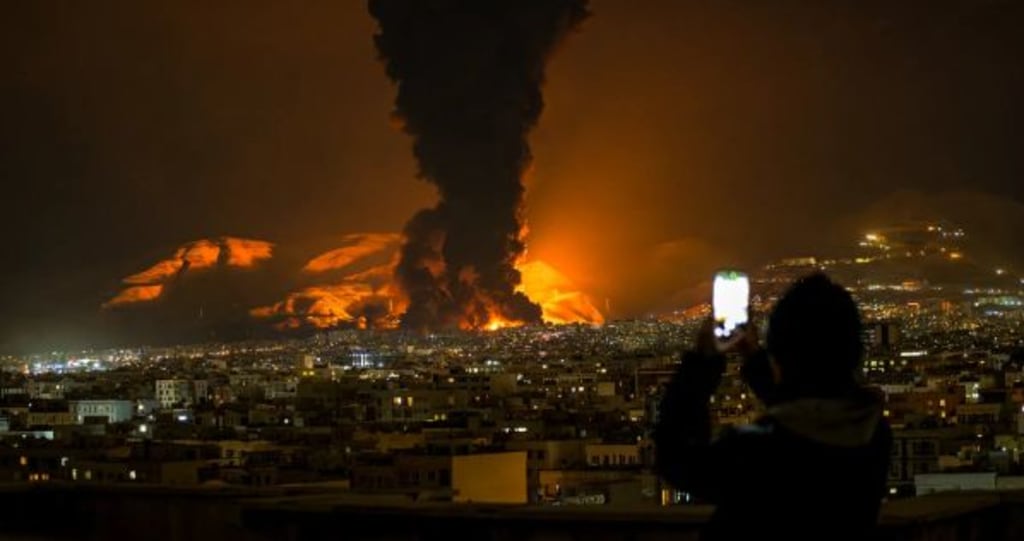
The debate over offshore oil drilling along California’s coastline has resurfaced with renewed intensity as former U.S. President Donald Trump pushes to expand oil exploration in federal waters off the state’s coast. The proposal, which aims to unlock new domestic energy supplies, has ignited a fierce national debate over energy independence, environmental protection, and the future of U.S. climate policy.
Supporters of the plan argue that tapping California’s offshore reserves could significantly boost American oil production and reduce reliance on foreign imports. Critics, however, warn that the move risks devastating marine ecosystems and threatens the state’s long-standing commitment to environmental conservation.
As policymakers, environmental groups, and energy companies weigh in, the issue has once again highlighted the deep political divide surrounding fossil fuels in the United States.
The Strategic Value of California’s Offshore Reserves
California’s coastline sits above potentially significant oil and gas reserves located beneath federal waters in the Pacific Ocean. While offshore drilling has existed in limited parts of the state for decades, large portions of the coastline remain closed to new exploration due to federal and state restrictions.
The renewed push to open these areas comes as global energy markets remain volatile. Geopolitical tensions, supply disruptions, and rising demand have all contributed to uncertainty in oil prices. Advocates of offshore drilling argue that expanding domestic production could help stabilize markets and strengthen U.S. energy security.
For proponents within the oil industry, the proposal represents an opportunity to access untapped resources that could generate billions of dollars in economic activity. New drilling operations could create jobs in engineering, construction, transportation, and energy services, particularly in coastal communities with existing energy infrastructure.
Supporters also contend that technological advancements have made offshore drilling safer than in the past. Modern rigs and improved safety protocols, they argue, significantly reduce the risk of catastrophic spills.
Environmental Concerns and Coastal Opposition
Despite the potential economic benefits, opposition to offshore drilling in California remains strong. Environmental organizations, local governments, and many residents argue that the risks far outweigh the rewards.
California’s coastline is home to diverse marine ecosystems, including kelp forests, coral habitats, and migratory routes for whales and other marine mammals. Critics fear that expanded drilling could disrupt these ecosystems and cause long-term environmental damage.
One of the most frequently cited concerns is the possibility of oil spills. The state still remembers the devastating effects of the 1969 Santa Barbara oil spill, which released millions of gallons of crude oil into the ocean and helped spark the modern environmental movement in the United States.
More recently, smaller spills have reinforced public anxiety about offshore drilling risks. Environmental groups argue that even a single major accident could devastate fisheries, tourism, and wildlife habitats along the coast.
In response to the proposal, several California lawmakers have vowed to challenge any federal attempts to expand offshore drilling in the region.
The Political Clash Between State and Federal Authorities
The conflict over offshore drilling reflects broader tensions between California’s state government and federal policymakers who support expanded fossil fuel development.
California leaders have long positioned the state as a global leader in climate action. The state has enacted aggressive policies aimed at reducing greenhouse gas emissions, promoting renewable energy, and transitioning toward electric vehicles.
These policies often put California at odds with federal initiatives that prioritize energy production and resource extraction.
Under proposals linked to Donald Trump, federal agencies could authorize lease sales that allow energy companies to explore and drill in previously restricted areas of the outer continental shelf. However, state officials may attempt to block related infrastructure projects—such as pipelines or onshore processing facilities—by using regulatory authority over coastal development.
This legal tug-of-war could lead to prolonged court battles that delay or ultimately prevent drilling projects from moving forward.
Economic Implications for the Energy Industry
For oil companies, California’s offshore reserves represent both an opportunity and a challenge.
On one hand, successful exploration could open new production zones in a region close to major refining centers and energy markets. On the other hand, the regulatory environment in California is among the strictest in the country, and any development would face intense scrutiny from environmental regulators and public watchdog groups.
Additionally, the long-term economics of offshore drilling have become increasingly uncertain as the world transitions toward cleaner energy sources. Renewable energy technologies—such as solar and wind—are rapidly becoming more affordable and widely adopted.
Many investors are now cautious about committing billions of dollars to large fossil fuel projects that could face declining demand in the future.
The Broader Energy Transition Debate
The controversy surrounding California offshore drilling highlights a broader debate about the role of fossil fuels in the global energy transition.
Supporters of expanded drilling argue that oil and natural gas will remain essential for decades to come, even as renewable energy grows. They believe that domestic production is preferable to importing oil from politically unstable regions or countries with weaker environmental regulations.
Opponents counter that expanding fossil fuel extraction undermines efforts to address climate change. Instead of investing in new oil projects, they argue, the United States should accelerate the transition toward renewable energy sources and reduce dependence on hydrocarbons.
California, in particular, has invested heavily in clean energy technologies, including large-scale solar farms, wind power installations, and battery storage systems.
What Happens Next?
Whether offshore drilling off California’s coast becomes a reality remains uncertain. The process of approving new lease areas, conducting environmental reviews, and securing regulatory permits could take years.
Even if federal authorities approve drilling plans, legal challenges from environmental groups and state agencies could significantly delay implementation.
For now, the debate continues to unfold as policymakers grapple with competing priorities: energy security, economic growth, environmental protection, and climate responsibility.
As the United States navigates an increasingly complex energy landscape, the question of whether to tap California’s offshore oil reserves will remain a defining issue in the nation’s ongoing struggle to balance economic needs with environmental stewardship.
About the Creator
Author’s Advice
If you would’ve asked me 20 years ago did I know I’d become a writer and an author, I would’ve said “nope, ain’t happening”. As fate would have it I did become an author and I can honestly say I’m loving it so far. It really does feel good to be a writer. I’ve learned a lot on this journey and I feel like with even me being as new to this world as I am, there’s some wisdom I need to share with every other aspiring author.
By Joe Patterson4 days ago in Journal
Seedream 4.5 vs. Nano Banana: AI Image Faceoff
Picking an AI image model feels like a gamble. You might love the art style of one tool but find its understanding of human anatomy terrible. I decided to run a head-to-head test between Seedream 4.5 and Google’s Nano Banana.
By Alex Tuckerabout 8 hours ago in Journal
My First Time Skiing and I Got Lost, Alone, in the French Alps
Looking back, I can trace some of my life’s biggest adventures to a simple action from my sister. She’d introduced me to Tommy (a very long time ago), a colleague of hers, who had overshared his penchant for Italian-looking women, and I ticked that box.
By Chantal Christie Weiss3 days ago in Humans




Comments
There are no comments for this story
Be the first to respond and start the conversation.