
Trump Orders Blockade of Sanctioned Oil Tankers Entering and Leaving Venezuela
A hardline move to enforce sanctions raises questions about energy security, international law, and the humanitarian cost of economic pressure on Caracas

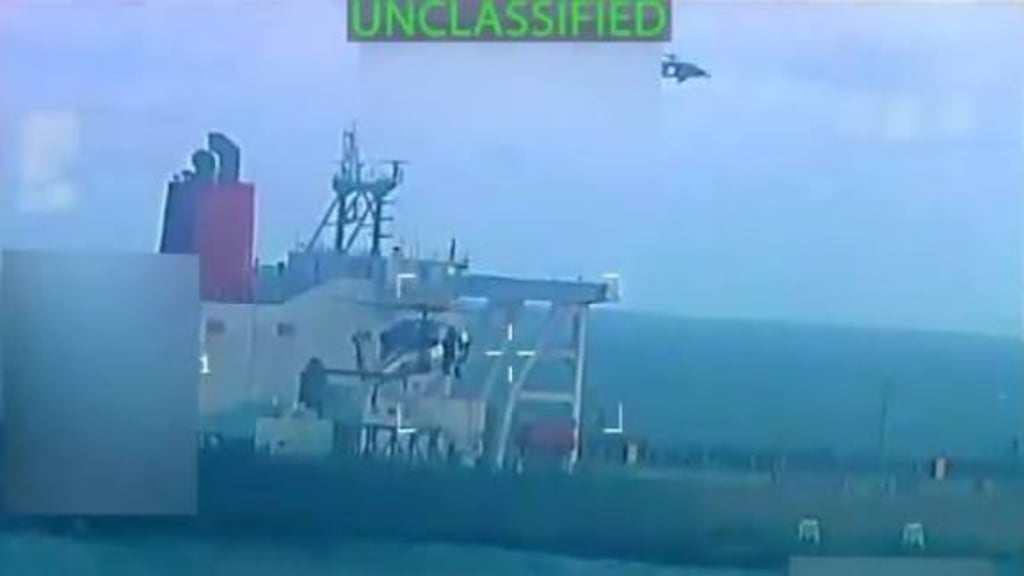
In a dramatic escalation of pressure on Venezuela, former U.S. President Donald Trump has ordered a blockade of oil tankers entering and leaving the South American nation, targeting vessels linked to sanctioned crude exports. The move marks one of the most aggressive economic actions taken against Caracas in recent years and has reignited global debate over energy security, international law, and the humanitarian impact of sanctions.
The blockade directive, according to U.S. officials, is aimed at enforcing existing sanctions more strictly by preventing Venezuela from using what Washington describes as a “shadow fleet” of tankers to export oil in defiance of international restrictions. These tankers, often operating under opaque ownership structures and changing flags frequently, have become a crucial lifeline for Venezuela’s struggling oil industry.
A New Phase in U.S.–Venezuela Tensions
Relations between the United States and Venezuela have been strained for more than a decade, particularly since Washington imposed sanctions to pressure the government in Caracas over alleged democratic backsliding and human rights abuses. Oil sanctions, in particular, have targeted Venezuela’s state-owned energy company, PDVSA, cutting off its access to key markets and financial systems.
Trump’s blockade order goes beyond traditional sanctions by introducing a physical enforcement mechanism at sea. While U.S. naval forces are not expected to seize vessels outright, the presence of American warships and allied monitoring systems is intended to deter tanker traffic and disrupt oil shipments bound for international buyers.
Supporters of the move argue that previous sanctions were undermined by weak enforcement. They claim the blockade sends a clear message that sanctions are not symbolic and that violations will carry real consequences.
Impact on Venezuela’s Economy
Oil exports account for the majority of Venezuela’s foreign revenue. Despite sanctions, the country has managed to sell crude at discounted rates to buyers willing to navigate legal and logistical risks. A blockade threatens to choke off this revenue stream almost entirely.
Economists warn that such a move could push Venezuela’s fragile economy into deeper distress. Inflation remains high, public services are underfunded, and millions of Venezuelans have already fled the country in search of better opportunities. A further decline in oil income could limit the government’s ability to import food, medicine, and fuel.
Caracas has strongly condemned the blockade order, calling it an act of economic warfare and a violation of international maritime norms. Venezuelan officials argue that the policy punishes ordinary citizens rather than political leaders and undermines regional stability.
Global Energy Market Repercussions
The decision comes at a sensitive moment for global energy markets. Supply disruptions caused by conflicts, sanctions, and production cuts have already made oil prices volatile. Analysts say removing Venezuelan barrels from the market—even partially—could tighten supply and push prices higher, particularly for heavy crude grades that Venezuela specializes in.
Some countries, especially in Asia, have relied on Venezuelan oil as an alternative source amid sanctions on other major producers. A stricter blockade could force these buyers to seek costlier options elsewhere, potentially reshaping global trade flows.
Energy experts also caution that aggressive enforcement may encourage more risky shipping practices, such as ship-to-ship transfers in international waters, increasing the likelihood of accidents and environmental damage.
Legal and Diplomatic Questions
The blockade order raises complex legal questions. Under international law, blockades are typically associated with armed conflict and require clear legal justification. Critics argue that enforcing a unilateral blockade outside a declared war zone could set a troubling precedent.
Diplomatically, the move may strain relations with U.S. allies who favor engagement over confrontation. Some European and Latin American governments have previously supported easing sanctions in exchange for political reforms in Venezuela. Trump’s hardline approach could complicate multilateral efforts to negotiate a peaceful resolution to the crisis.
Domestic Political Significance
Within the United States, the blockade plays strongly with Trump’s core supporters, who favor a tough stance against governments perceived as hostile to American interests. The move reinforces his image as a leader willing to use decisive measures to enforce policy goals, particularly on national security and foreign affairs.
However, critics argue that such actions risk entangling the U.S. in prolonged maritime operations with unclear end goals. They also warn that escalating pressure without a clear diplomatic off-ramp may harden positions on both sides.
What Comes Next
The effectiveness of the blockade will depend on enforcement, international cooperation, and market responses. If other nations comply or avoid Venezuelan oil altogether, the pressure on Caracas could intensify rapidly. If not, the policy may face challenges in both practice and legitimacy.
What is clear is that Trump’s order signals a return to maximum pressure tactics against Venezuela, with far-reaching implications beyond the country’s borders. As global attention turns once again to Caracas, the coming months will reveal whether the blockade achieves its intended political goals—or deepens an already complex humanitarian and geopolitical crisis.
About the Creator
Fiaz Ahmed Brohi
I am a passionate writer with a love for exploring and creating content on trending topics. Always curious, always sharing stories that engage and inspire.
Keep reading
More stories from Fiaz Ahmed Brohi and writers in Journal and other communities.
“Harm to Him Will Push Pakistan Into Chaos”: Imran Khan’s Sister Speaks Out Amid Death Rumours
Former Pakistani Prime Minister Imran Khan continues to dominate headlines—not through political rallies or policy debates, but through the swirling rumours surrounding his health and safety in prison. As speculation intensifies, his sister has stepped forward with a powerful and emotional statement: “Harm to him will push Pakistan into chaos.”
By Fiaz Ahmed Brohi4 months ago in Journal
Author’s Advice
If you would’ve asked me 20 years ago did I know I’d become a writer and an author, I would’ve said “nope, ain’t happening”. As fate would have it I did become an author and I can honestly say I’m loving it so far. It really does feel good to be a writer. I’ve learned a lot on this journey and I feel like with even me being as new to this world as I am, there’s some wisdom I need to share with every other aspiring author.
By Joe Patterson5 days ago in Journal
What Would Actually Happen If Drones Attacked California?
Recent warnings about a potential drone threat targeting the West Coast have left many people wondering what would actually happen if such an attack occurred. While the likelihood of drones traveling directly from another continent to California is extremely low, modern warfare has shown that drones can be deployed in creative ways.
By Navigating the World5 days ago in Journal




Comments
There are no comments for this story
Be the first to respond and start the conversation.