
Trekking to the Roof of the World: A Journey to Everest Base Camp
Trekking to the Roof of the World: A Journey to Everest Base Camp

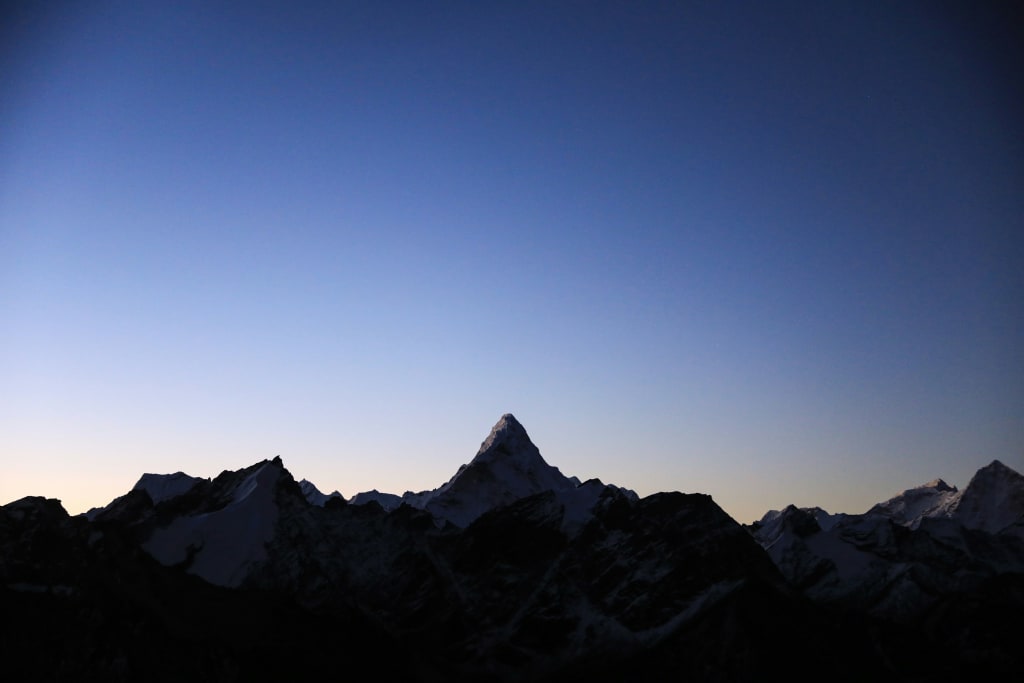
Trekking to Everest Base Camp is a once-in-a-lifetime adventure that attracts thousands of hikers every year. Nestled in the heart of the Himalayas, the trek offers an incredible opportunity to witness breathtaking views, immerse in rich culture, and push personal limits. This adventure leads you through picturesque villages, lush forests, and rugged mountain terrain. Everest Base Camp Trekking provides an unforgettable experience for those seeking both physical challenge and spiritual enrichment.
Why Trek to Everest Base Camp?
For many, the dream of standing beneath the shadow of the world's tallest mountain is the ultimate outdoor achievement. The journey to Everest Base Camp is not just about reaching the destination but about the journey itself. Along the way, trekkers encounter diverse landscapes, friendly Sherpa people, and a sense of accomplishment like no other.
What makes the trek unique is the combination of challenging trails and stunning beauty. As you ascend higher into the mountains, the scenery transforms from dense green forests to alpine meadows and rocky paths. Every step brings new perspectives, whether it’s a distant view of Everest or the impressive Khumbu Icefall. Everest Base Camp Trekking is a challenge that offers an immense sense of pride upon completion.
The Route to Everest Base Camp
The trek typically begins in Lukla, a small town with an airport that serves as the gateway to Everest. After a brief flight from Kathmandu, trekkers arrive in Lukla, where the adventure begins. From here, the path weaves through charming Sherpa villages such as Phakding and Namche Bazaar, where trekkers acclimatize to the altitude. Namche Bazaar is also the ideal place to enjoy some comfort before venturing higher.
Acclimatization and Preparation
Trekking to Everest Base Camp is demanding, especially due to the high altitude. Proper acclimatization is essential to avoid altitude sickness, which is why the trek includes rest days, especially in Namche Bazaar and Dingboche. These days allow your body to adjust to the thinner air, preparing you for the more challenging sections of the trek.
Before embarking on this journey, physical preparation is crucial. The trek involves walking for several hours a day, often on steep and rocky terrain. It’s important to have a good level of fitness, as the trek can be physically demanding, especially when nearing Everest Base Camp.
The Stunning Scenery
As you trek higher into the mountains, the views become even more spectacular. The towering peaks of Everest, Lhotse, and Makalu greet you at almost every turn. The trail winds through lush forests, meadows filled with wildflowers, and the stark beauty of the high-altitude deserts.
The ever-changing landscape offers a range of experiences. Early on, the trail passes through forests of pine and rhododendron, while later stages reveal the snow-capped peaks and glaciers of the higher Himalayas. One of the most striking features of the trek is the Khumbu Icefall, an awe-inspiring glacier that looks like an ice labyrinth.
The breathtaking views aren’t just limited to Everest. Along the way, trekkers can enjoy panoramic views of some of the most famous peaks in the world, such as Lhotse, Nuptse, and Ama Dablam. Each day offers new and more dramatic vistas that leave a lasting impression.
The Sherpa Culture and Heritage
One of the highlights of Everest Base Camp Trekking is the opportunity to experience Sherpa culture. The Sherpas are the indigenous people of the Khumbu region and are renowned for their mountaineering skills and hospitality. Along the way, you’ll pass through traditional Sherpa villages where you can visit monasteries and interact with the locals.
In Namche Bazaar, you’ll find the Sherpa Cultural Museum, which offers a deeper understanding of the region’s history and traditions. The Tengboche Monastery, located at an altitude of 3,867 meters, is another cultural gem. It’s one of the most famous monasteries in the region and provides a peaceful spot to rest and reflect on the spiritual side of the trek.
The Sherpa people are known for their warm hospitality, and trekkers often form lasting connections with the locals. Their traditions, including their Buddhist practices, are a major part of the Everest Base Camp experience, adding a spiritual dimension to the physical challenge.
Reaching Everest Base Camp
The final destination of the trek is Everest Base Camp itself, located at 5,364 meters above sea level. Standing at this legendary site, you’ll feel the magnitude of what you’ve accomplished. The base camp serves as the starting point for those attempting to summit Everest, and the sight of climbers preparing for their ascent adds to the awe of the location.
From the base camp, you can get a close-up view of the Khumbu Icefall, which is the main route for climbers heading to the summit of Everest. The area around the base camp is often covered in snow and ice, providing a stark contrast to the green valleys below.
While the trek to base camp doesn’t involve technical climbing, it still offers an incredible sense of achievement, and the views from this point are nothing short of spectacular. The challenge of reaching Everest Base Camp lies in the endurance needed to conquer the tough terrain and high altitudes, but the rewards are unmatched.
The Best Time to Go
The best time to undertake the Everest Base Camp Trek is during the pre-monsoon (spring) and post-monsoon (autumn) seasons. These periods offer the clearest weather and the most comfortable trekking conditions. The spring season, from March to May, is when Everest climbers prepare for their summit attempts, while autumn, from September to November, offers stable weather and beautiful clear skies.
During the winter months, the trek can be very cold and snowbound, making the trail more challenging, while the summer monsoon brings heavy rain, which can lead to muddy and slippery trails.
Packing for the Trek
Packing the right gear is essential for a safe and comfortable trek to Everest Base Camp. Here’s a quick guide to what you’ll need:
Clothing: Layered clothing is key. You’ll need lightweight trekking clothes for the lower elevations and heavier clothing for the cold higher altitudes.
Footwear: Comfortable, sturdy hiking boots are a must.
Backpack: A medium-sized backpack to carry your essentials, such as water, snacks, a camera, and personal items.
Sleeping Bag: A good quality sleeping bag is necessary, especially for the colder nights in the higher regions.
Accessories: Sunglasses, sunscreen, a headlamp, trekking poles, and a first-aid kit are all essential for the journey.
Conclusion
Trekking to Everest Base Camp is more than just a physical challenge—it’s a spiritual journey, a cultural immersion, and an adventure of a lifetime. The breathtaking landscapes, the warm Sherpa hospitality, and the sense of achievement upon reaching base camp make this trek one of the most popular in the world. Whether you’re an experienced hiker or a first-time trekker, Everest Base Camp Trekking will offer you an unforgettable experience that will stay with you forever.
About the Creator
Keep reading
More stories from Olivia Flores and writers in Journal and other communities.
A Short Trek with Stunning Views – Ghorepani Poonhill Trekking
If you are looking for a short and easy trek in Nepal with big rewards, this one is perfect. It is full of scenic beauty, peaceful villages, and warm local culture. Ghorepani Poonhill Trekking is one of the most popular short treks in the Annapurna region. You don’t need to go very high or far to enjoy the magic of the Himalayas.
By Olivia Flores9 months ago in Journal
The goals I did not achieve
Every writing goal I made for the year is a wash. It has been this way for a while, but I think it's important to be open about my failures and the reality of how life can get in the way. This is especially true considering the several times I have posted on Vocal about my writing goals, how I was changing my approach, and where I was hoping to be for the upcoming year. I will probably do that again in a couple months, but for now, it is time to acknowledge where I am today.
By Kay Husnick24 days ago in Journal




Comments
There are no comments for this story
Be the first to respond and start the conversation.