


Planting a tree is a simple but powerful act that can have a significant impact on our environment and our future. Trees provide countless benefits, from providing shade and beauty to improving air and water quality, reducing soil erosion, and mitigating climate change. In this article, we will discuss the benefits of planting trees, how to choose the right tree for your location, and how to properly plant and care for your new tree.
Benefits of Planting Trees:
Trees are essential to our environment and provide numerous benefits to our communities. Here are some of the benefits of planting trees:
1. Clean Air: Trees absorb carbon dioxide and other harmful pollutants from the air, releasing oxygen back into the atmosphere. Trees also help filter out particulate matter and other harmful chemicals from the air, which can improve air quality in urban areas.
2. Water Quality: Trees help reduce runoff and erosion, which can improve water quality in rivers, lakes, and streams. Trees also help absorb excess nutrients and pollutants, reducing the risk of harmful algal blooms and other water quality issues.
3. Energy Savings: Trees can help reduce energy costs by providing shade in the summer and windbreaks in the winter, which can reduce the need for air conditioning and heating.
4. Wildlife Habitat: Trees provide habitat and food for a variety of wildlife, including birds, mammals, and insects. Planting trees can help create wildlife corridors and connect fragmented habitats, which can improve biodiversity and ecosystem resilience.
5. Climate Change Mitigation: Trees absorb and store carbon dioxide, helping to mitigate the effects of climate change. Trees can also help reduce urban heat islands, which can help reduce energy demand and greenhouse gas emissions.
Choosing the Right Tree:
Choosing the right tree for your location is critical to its success. Here are some factors to consider when selecting a tree:
1. Climate: Choose a tree that is well-suited to your climate zone. Trees that are native to your region are typically the best choice, as they are adapted to the local climate and soil conditions.
2. Site Conditions: Consider the amount of sunlight, soil type, drainage, and other site conditions when selecting a tree. Some trees are tolerant of a wide range of conditions, while others have specific requirements.
3. Size: Choose a tree that is appropriate for the size of your property and the space where you plan to plant it. Be sure to consider the height and spread of the tree at maturity, as well as any potential obstructions such as power lines or buildings.
4. Purpose: Consider the purpose of your tree. Are you planting for shade, privacy, or ornamental value? Different trees have different growth habits and characteristics that can affect their suitability for different purposes.
Planting and Caring for Your Tree:
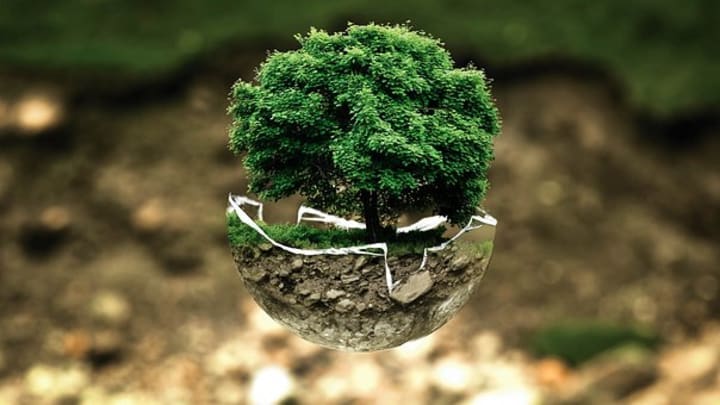
Once you have selected the right tree for your location, it's time to plant it! Here are the steps to follow to ensure your tree has the best chance of success:
1.Prepare the Site: Choose a location with well-drained soil and adequate sunlight for your tree. Remove any grass or weeds in the planting area and dig a hole that is twice as wide and as deep as the tree's root ball.
2. Plant the Tree: Place the tree in the hole, making sure that the top of the root ball is level with the surrounding soil. Fill in the hole with soil, tamping it down gently to eliminate air pockets.
3. Water the Tree: Water the tree thoroughly after planting, making sure that the soil is moist but not waterlogged. Water the tree regularly, especially during the first year after planting, to help it establish a strong root system.
4. Mulch the Tree: Apply a layer of mulch around the base of the tree, making sure not to pile it up against the trunk. Mulch helps retain moisture,
It Suppresses weeds, and helps regulate soil temperature.
1. Prune the Tree: Prune your tree regularly to remove dead or damaged branches and to maintain its shape and size. Pruning can also help improve air circulation and reduce the risk of disease.
2. Fertilize the Tree: Fertilize your tree as needed, based on soil tests and the tree's growth and nutrient needs. Use a slow-release fertilizer and apply it in the fall or early spring, avoiding fertilization during periods of drought or heat stress.
3. Protect the Tree: Protect your tree from pests, diseases, and other threats by monitoring it regularly and taking appropriate action when necessary. Use organic pest control methods whenever possible, and avoid using harmful chemicals that can harm wildlife and pollinators.
Tips for Successful Tree Planting:

1. Plant during the dormant season: The best time to plant a tree is during the dormant season, typically in the fall or early spring when the soil is moist and the weather is mild. Avoid planting during hot, dry periods when the tree is more likely to experience stress.
2. Handle the tree carefully: When handling your tree, be gentle to avoid damaging the roots or bark. Always lift the tree by the root ball and not by the trunk.
3. Use high-quality soil: Use high-quality soil that is well-drained and rich in nutrients. Avoid using heavy clay or sandy soils that may not provide adequate support or nutrients for the tree.
4. Don't plant too deep: Plant the tree at the same depth as it was growing in the nursery, with the top of the root ball level with the surrounding soil. Avoid planting the tree too deep, as this can lead to root rot and other problems.
5. Water regularly: Water your tree regularly, especially during the first year after planting. Deep watering is more effective than frequent shallow watering, as it encourages the roots to grow deeper into the soil.
6. Protect from animals: Protect your tree from animals such as deer, rabbits, and rodents by using fencing or repellents. Make sure to protect the trunk from damage, as this can leave the tree vulnerable to pests and diseases.
7. Prune carefully: Prune your tree carefully to avoid damaging the bark or creating large wounds that can attract pests and diseases. Use sharp, clean tools and make clean cuts at the correct angle.
By following these tips and taking proper care of your tree, you can help ensure its success and enjoy the many benefits it provides.
Conclusion:
Planting a tree is a simple yet powerful act that can have significant positive impacts on our environment and our communities. By choosing the right tree for your location and planting it properly, you can help improve air and water quality, reduce energy costs, and create valuable wildlife habitats. With proper care and maintenance, your tree can provide benefits for generations to come. So, let's plant a tree and make a positive impact on our world!
About the Creator
RS Creation
Search makes a person perfect, and in today's modern technology world, new information is learned through search.
He is created as a man. I am happy to share with you the many information that I have read and learned through my search.
Keep reading
More stories from RS Creation and writers in Journal and other communities.
Fasting tea
Introduction Fasting is an ancient practice that has been used for centuries in various cultures and religions for spiritual and physical purification. In recent years, fasting has gained popularity as a weight loss tool and as a way to improve overall health. Fasting involves abstaining from food and sometimes drinks for a set period of time. While fasting, it is essential to stay hydrated and maintain adequate levels of nutrients. One way to achieve this is by drinking fasting tea.
By RS Creation 3 years ago in Journal
Tatt~Master
— Assembly Line Tatt Machine ~ Impressions to Impress — As I begin to understand more about the Tattoo Phenomenon. I've written silly, yet verbatim, dating site anecdotes in 'Frazzled.' So let me ask you: Would you be More attracted to someone slathered with tattoos, or Less?
By Jay Kantor4 days ago in Humor



Comments
There are no comments for this story
Be the first to respond and start the conversation.