
Traveling By Plane
The Importance of Familiarizing Yourself with Restrictions (A Complete Guide)

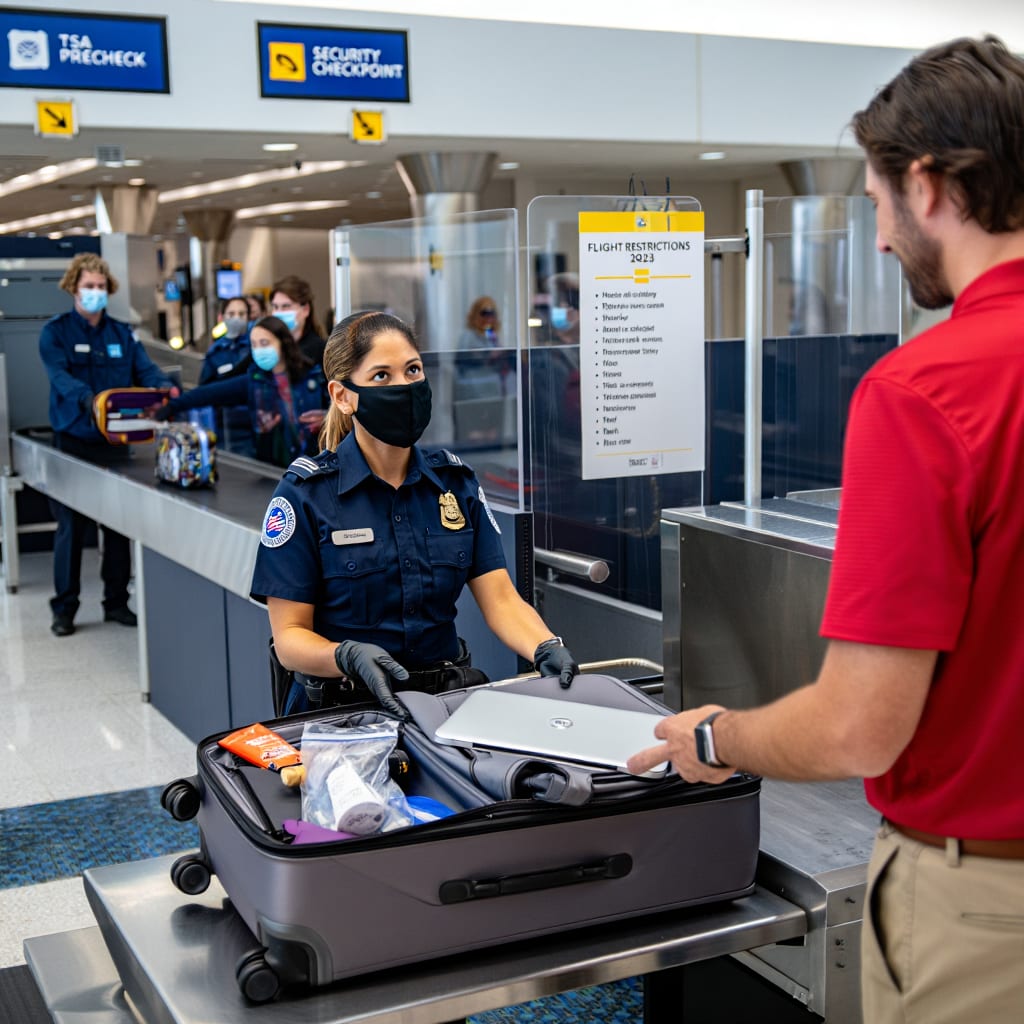
Air travel offers unparalleled convenience, but navigating the complex web of airline and airport restrictions can be overwhelming. From luggage rules to security protocols, failing to comply with regulations can lead to delays, fines, or even denied boarding. Understanding these restrictions isn’t just about avoiding headaches — it’s about ensuring a seamless, stress-free journey. In this comprehensive guide, we’ll break down why knowing travel restrictions matters, provide actionable tips to prepare, and share real-world examples to help you fly smarter.
Ready to Travel Smarter?
Why Air Travel Restrictions Matter
1. Avoid Costly Surprises
Overweight luggage, prohibited items, or expired documents can lead to unexpected fees. For example:
• Airlines like Delta and United charge 100–100–200 for bags exceeding 50 lbs.
• Forgetting to check liquid limits (e.g., TSA’s 3–1–1 rule) could mean tossing your $50 skincare products at security.
2. Save Time and Reduce Stress
Knowing rules in advance means breezing through check-in and security. Imagine skipping the “baggage reshuffle” chaos because you pre-measured your carry-on
3. Stay Safe and Compliant
Restrictions exist for safety. Lithium batteries, sharp objects, and certain aerosols are banned due to fire risks. Ignoring these could endanger you and others.
Key Air Travel Restrictions to Master
1. Luggage Rules
• Carry-On Limits:
• Size: Most airlines (e.g., American, Emirates) allow 22" x 14" x 9".
• Weight: Typically 15–25 lbs for economy, but check budget carriers like Ryanair (10 kg max).
• Pro Tip: Use a collapsible bag for souvenirs on the return trip.
• Checked Baggage:
• Weight fees vary: 30–30–100+ for overweight bags (varies by airline and route).
• Restricted items: Lithium batteries, fireworks, and perishables like fresh fruit (due to agricultural laws).
Example: A traveler flying Lufthansa from NYC to Frankfurt packed a power bank in checked luggage. It was confiscated because lithium batteries must be in carry-ons.
2. Prohibited Items
• TSA’s 3–1–1 Rule: Liquids in containers ≤3.4 oz, all fitting in one quart-sized bag.
• Commonly Confiscated Items:
• Tools: Screwdrivers, drills (even mini ones).
• Sports Gear: Baseball bats, golf clubs.
• Food: Peanut butter (considered a liquid!), jams, or soups over 3.4 oz.
Tip: Check country-specific rules. Flying to Australia? Declare all food — strict biosecurity laws apply.
3. Documentation Requirements
• Passports: Must be valid for 6+ months beyond your trip in many countries (e.g., Thailand, Egypt).
• Visas: Some nations offer visas on arrival (Turkey, Indonesia), while others require advance applications (China, Russia).
• COVID-19 Protocols: Proof of vaccination or tests may still be needed (e.g., for flights to Japan or South Africa).
Example: A family heading to Costa Rica was denied boarding because their passports expired in 5 months. Always verify entry requirements!
4. Security Screening Tips
• Clothing: Avoid metal accessories or belts to speed up scans.
• Electronics: Laptops and tablets must be removed from bags.
• Footwear: Some airports (e.g., in the EU) require removing shoes.
Guide: Use TSA PreCheck or Global Entry ($85 for 5 years) to skip lines and keep shoes on.
Step-by-Step Prep Checklist
1. 2 Weeks Before Travel:
• Verify visa/passport rules on official government sites (e.g., travel.state.gov).
• Weigh and measure luggage.
Ready to Travel Smarter?
2. 48 Hours Before:
• Check airline apps for updates (e.g., sudden baggage policy changes).
• Print/download boarding passes and health documents.
3. Day of Travel:
• Pack liquids in a clear, accessible bag.
• Arrive 3 hours early for international flights.
Real-Life Scenarios & Solutions
• Problem: A photographer’s camera tripod was flagged as a “potential weapon.”
• Fix: Check airline policies — many allow tripods in checked bags if disassembled.
• Problem: A traveler brought a CBD lotion to Dubai, unaware it’s illegal there.
• Fix: Research local laws using resources like SmartTraveler (U.S. Department of State).
FAQs
Q: Can I bring a pocketknife in my carry-on?
A: No! Even small blades are banned. Pack them in checked luggage or leave them home.
Q: Are baby formula and medications exempt from liquid rules?
A: Yes — declare them at security for separate screening.
Q: Do restrictions apply to domestic flights?
A: Yes. TSA rules apply to all U.S. flights, even short hops.
Conclusion
Mastering air travel restrictions empowers you to fly confidently, save money, and protect your plans from avoidable disruptions. By following this guide — checking luggage policies, preparing documents, and staying updated on security rules — you’ll transform from a stressed traveler into a savvy jet-setter.
Ready to Travel Smarter?
About the Creator
Sherif shams
Entrepreneur, content creator, and lifelong learner. I share insights on business, self-improvement, and the digital world to inspire and empower others. Always exploring new ideas and ways to grow. Let’s connect and build something
Keep reading
More stories from Sherif shams and writers in Journal and other communities.
Creative Weight Loss Is Just a Few Great Tips Away
Tired of the same old diet plans and punishing workout routines that leave you bored, frustrated, and stuck in a cycle of yo-yo weight loss? You’re not alone. Traditional approaches often prioritize restriction over creativity, making weight loss feel like a chore rather than an empowering journey. But what if shedding pounds could be enjoyable, sustainable, and tailored to your unique lifestyle?
By Sherif shams11 months ago in Journal
Author’s Advice
If you would’ve asked me 20 years ago did I know I’d become a writer and an author, I would’ve said “nope, ain’t happening”. As fate would have it I did become an author and I can honestly say I’m loving it so far. It really does feel good to be a writer. I’ve learned a lot on this journey and I feel like with even me being as new to this world as I am, there’s some wisdom I need to share with every other aspiring author.
By Joe Patterson3 days ago in Journal
Iranian Drone Attacks Hit Ships in the World’s Most Important Oil Route
The already volatile conflict between Iran, the United States, and Israel escalated again this week after suspected Iranian drones struck multiple ships in and around the Strait of Hormuz, one of the most strategically important waterways on Earth. The attacks have intensified fears that the war could spiral into a wider regional or global crisis.
By Navigating the World3 days ago in Journal
The Forsyth House Fire
Since 1851, Forsyth House has stood on the corner of Union Street and Gordon Street in the heart of Glasgow. Its iconic, or was... because on Sunday 8th of March, 2026, a fire broke out in a small, seemingly un-named shop in the building and tore all that history down. As I write, the rubble is still unsettled and the street is still blocked off. Central Station is quiet on the upper level, and around 30 small businesses have quite literally gone up in smoke.
By S. A. Crawforda day ago in The Swamp




Comments
There are no comments for this story
Be the first to respond and start the conversation.